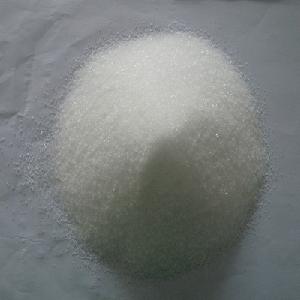
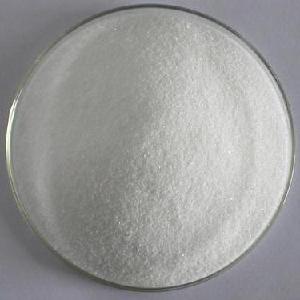
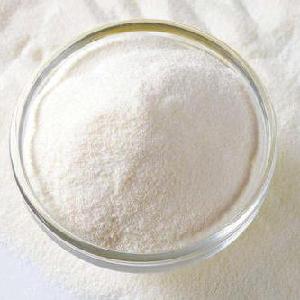
High quality DL-Alanine Powder
Special Notes for Different Grades (Food-Grade vs. Industrial-Grade) Food-grade DL-Alanine: Strictly follow food safety storage standards (e.g., comply with FDA/EFSA guidelines for food additives). Ensure no cross-contamination with non-food substances, and use food-safe containers (e.g., BPA-free plastics, food-grade glass). Industrial-grade DL-Alanine: While purity requirements are lower than food-grade, storage conditions for temperature, humidity, and light remain the same to maintain its usability for industrial processes (e.g., polymer synthesis, feed additives). DL-Alanine can maintain its chemical stability, physical properties, and intended functionality for its entire shelf life, whether used in food, pharmaceuticals, or industrial applications.
Other supplier products
|
|
Glycine Price |
In the feed industry, glycine is an important feed additive, and it is widely used in aquaculture and livestock breeding. As an amino acid nutrient... |
|
|
High quality L-threonine |
Biological Role An essential amino acid for humans, meaning it must be obtained from the diet. Plays a role in protein structure (e.g., forming hyd... |
|
|
Chemical Properties of Inositol |
Chemical Properties of Inositol 1. Molecular structure and isomerism Inositol is a cyclic hexahydric alcohol with the molecular formula C6H12O6, co... |
|
|
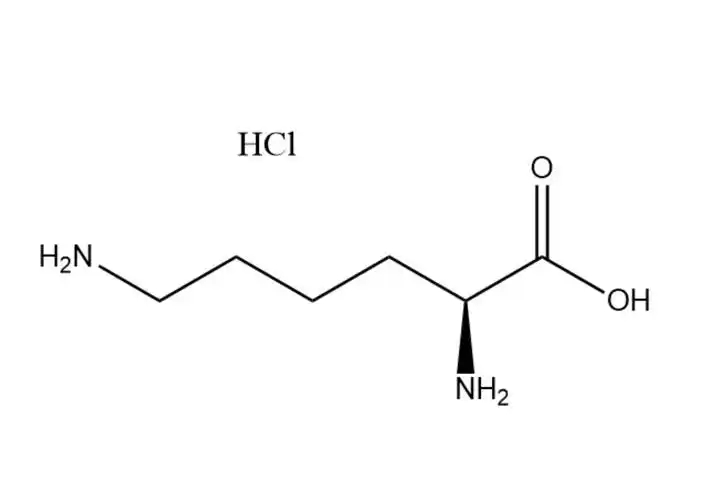
L-Lysine monohydrochloride 657-27-2 |
Basic Molecular and Structural Characteristics
Molecular weight: 182.65 g/mol (free L-lysine: 146.19 g/mol; the hydrochloride moiety increas... |
|
|
Inositol as an important nutritional fortifier in food |
Inositol is used as an important nutritional fortifier in food. As a natural vitamin‑like nutrient, it can supplement daily physiological nutrients... |
All supplier products
Same products