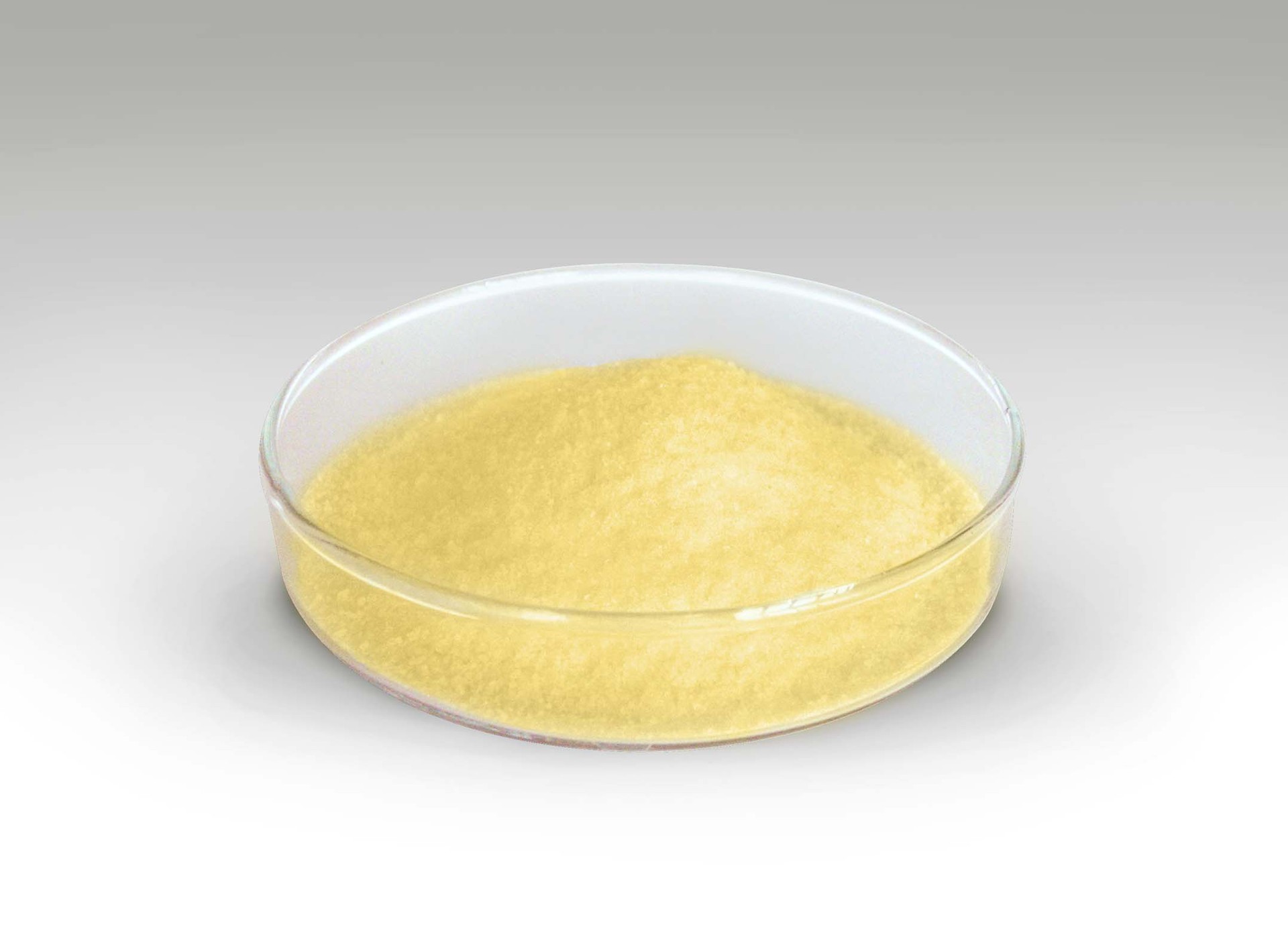
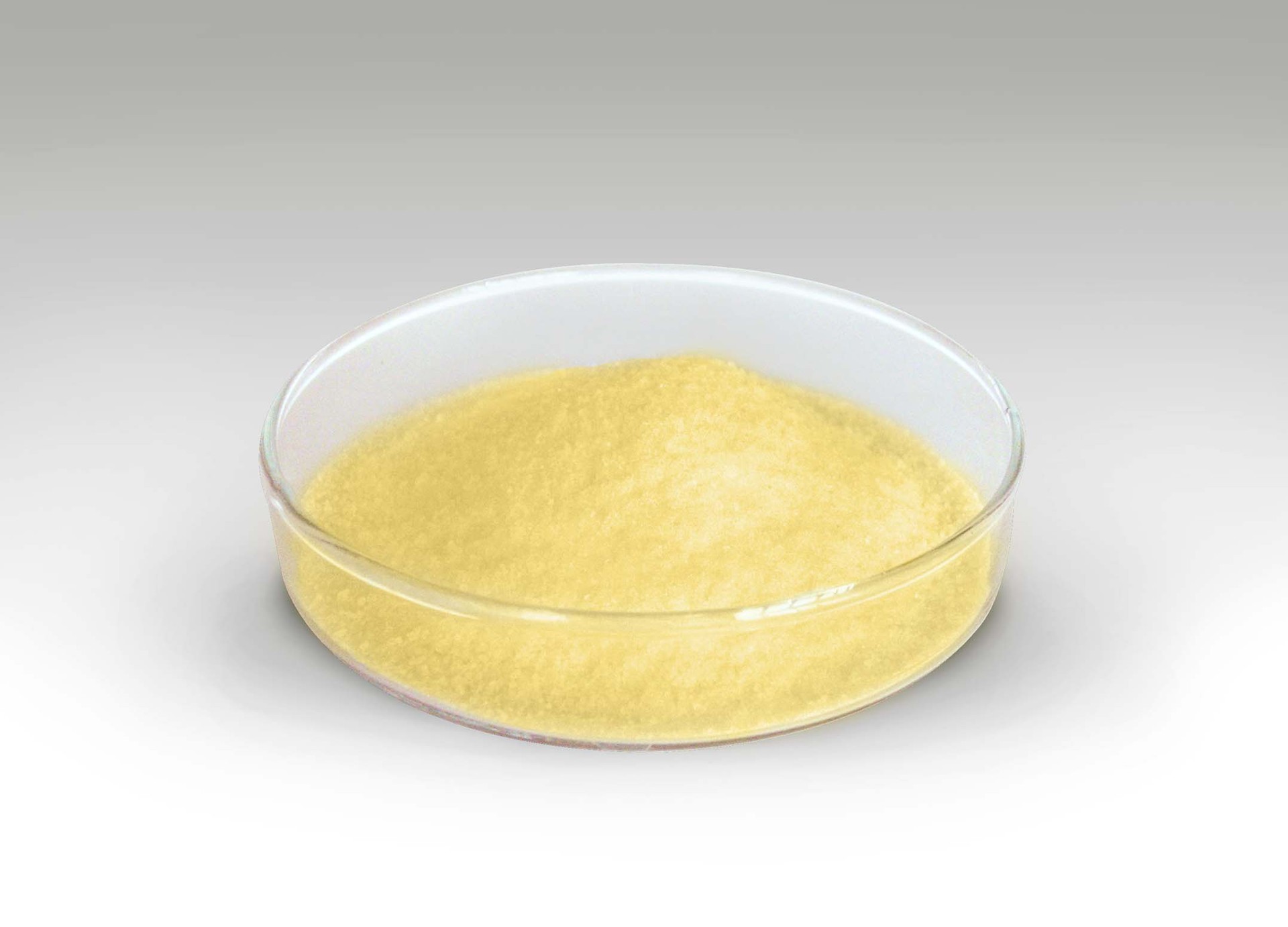
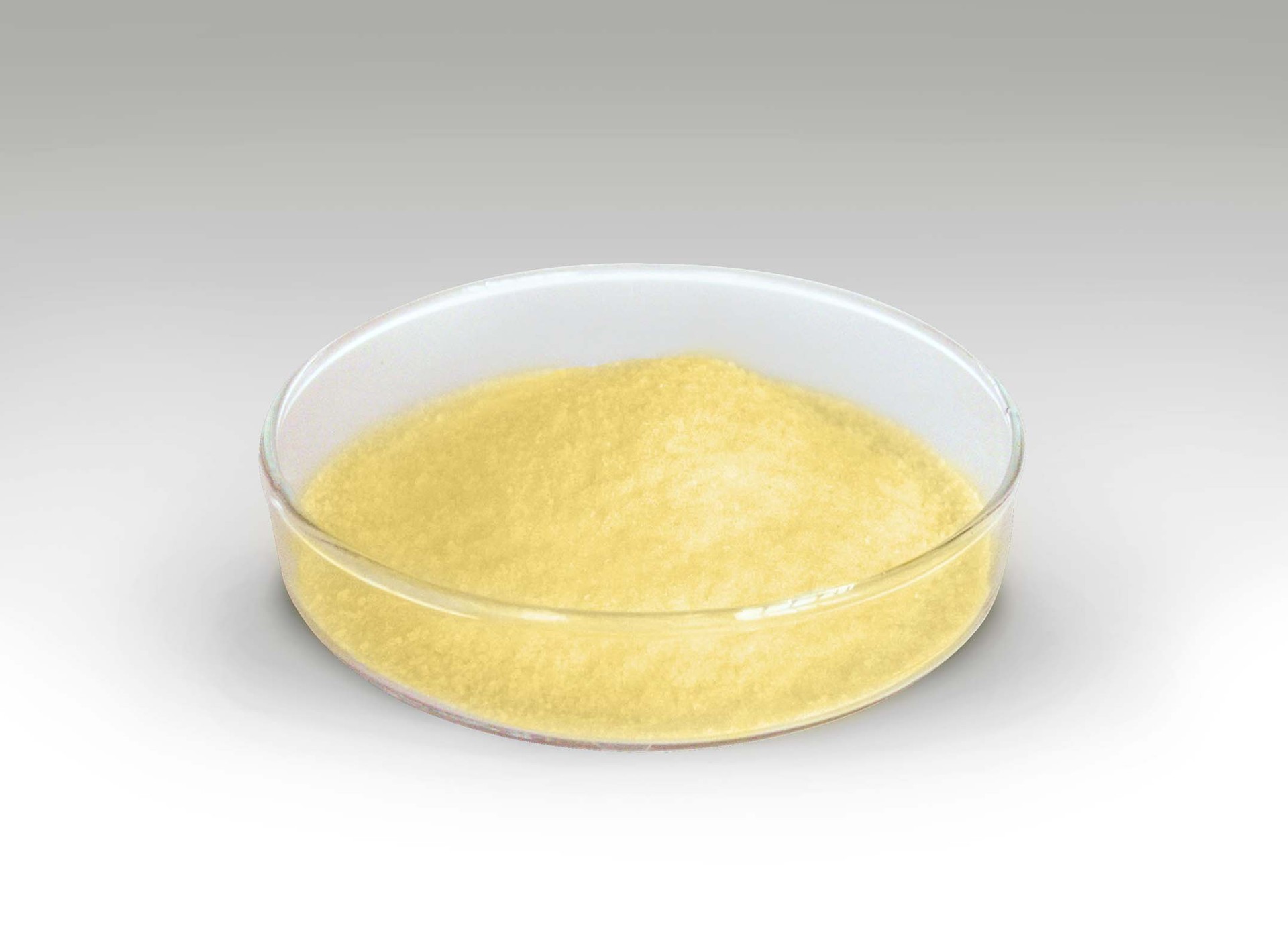
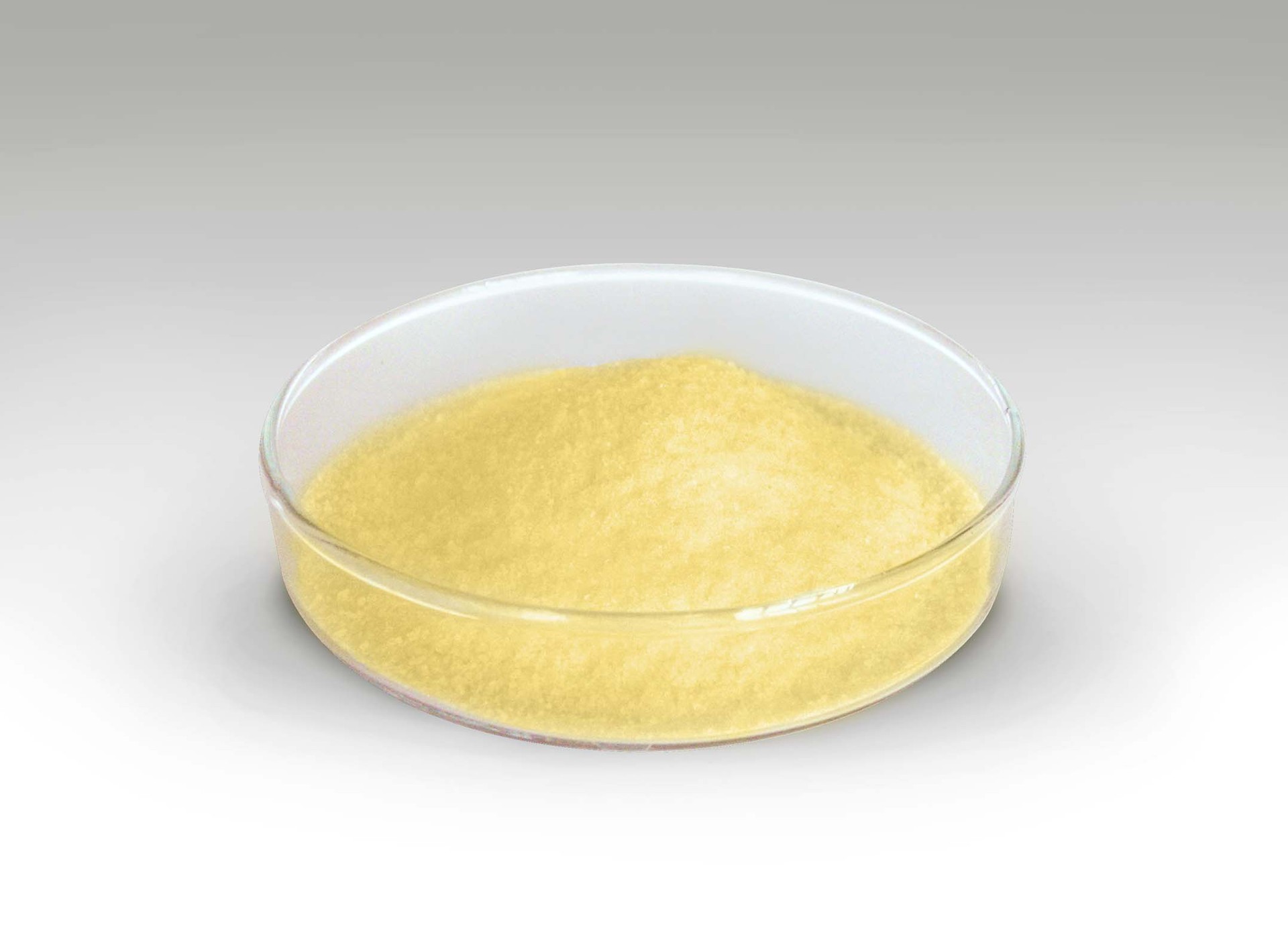
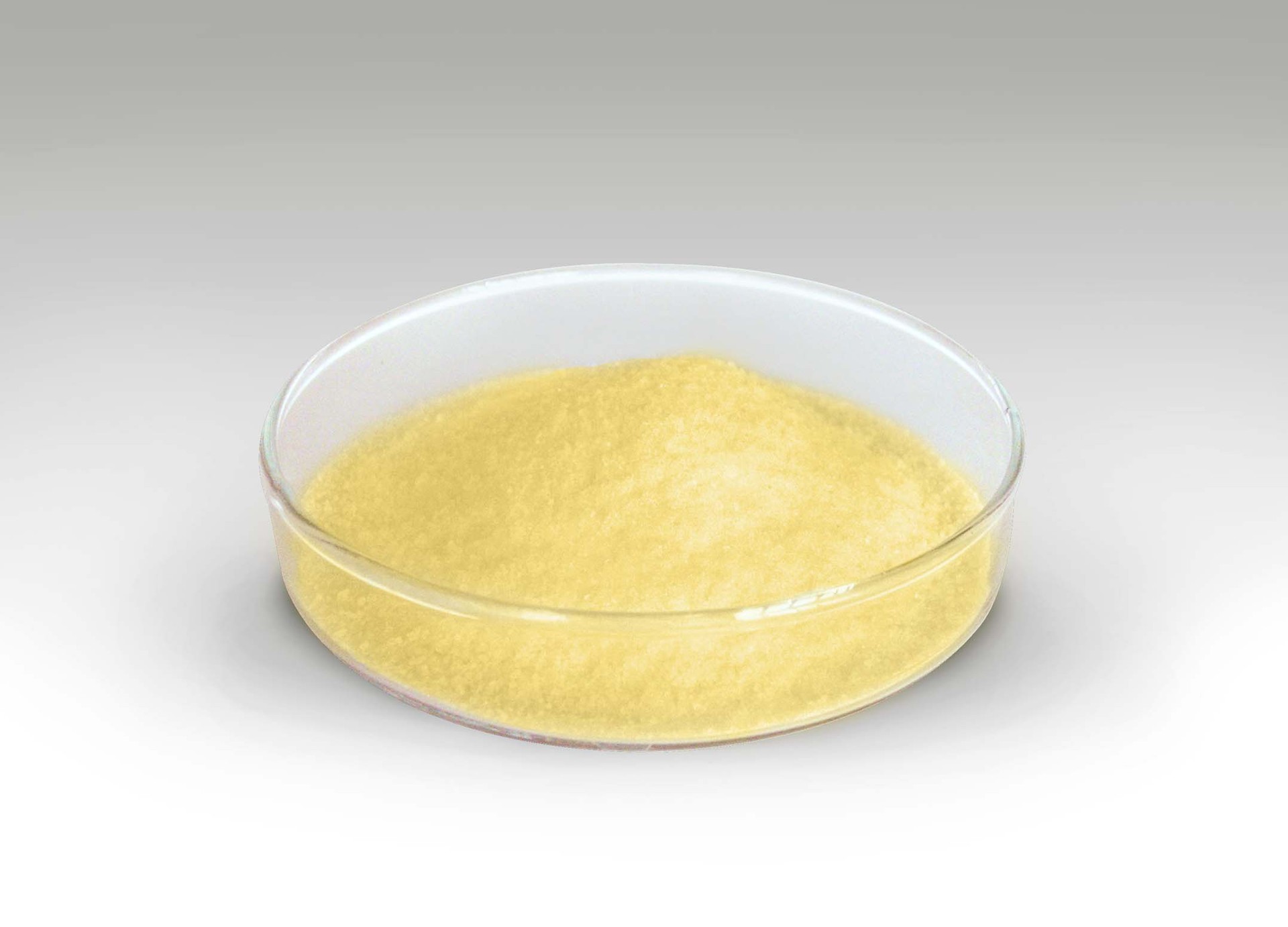
Phospholipid Raw Material
The structure of phospholipids—defined by their amphiphilic nature (dual hydrophilic "head" and hydrophobic "tail" regions) and structural variability (e.g., head group type, fatty acid tail length/saturation)—is directly and inherently linked to their biological and industrial functions. Every structural feature of phospholipids is tailored to enable specific roles, from forming cell membranes to emulsifying oil and water. Phospholipid tails vary in two key ways: length (14–24 carbon atoms) and saturation (presence/absence of double bonds). These variations directly control membrane fluidity—a critical property for cell function (e.g., nutrient transport, enzyme activity, cell division).
Другие товары поставщика
|
|
Phospholipid Powder |
Processing Conditions and Handling of Phospholipid PowderTemperature Control:Phospholipids may denature or oxidize at high temperatures (e.g., abov... |
|
|
Phosphatidylserine Powder |
Phosphatidylserine (PS) is a phospholipid that plays an important role in cell signaling and communication in the body. It is naturally found in sm... |
|
|
Phosphatidylserine Powder |
Phosphatidylserine (PS) is a type of phospholipid that is commonly found in cell membranes in animals and plants.It is available in both powder and... |
|
|
Phospholipid in Dairy & Frozen Desserts |
Phospholipid in Dairy & Frozen Desserts (Ice Cream, Yogurt, Processed Cheese) Core purpose: Stabilize emulsions, reduce ice crystal size (froze... |
|
|
Phospholipids |
Phospholipids are not only functional additives but also valuable nutrients, contributing to human health by supporting cell membrane structure, li... |
Все товары поставщика
Похожие товары