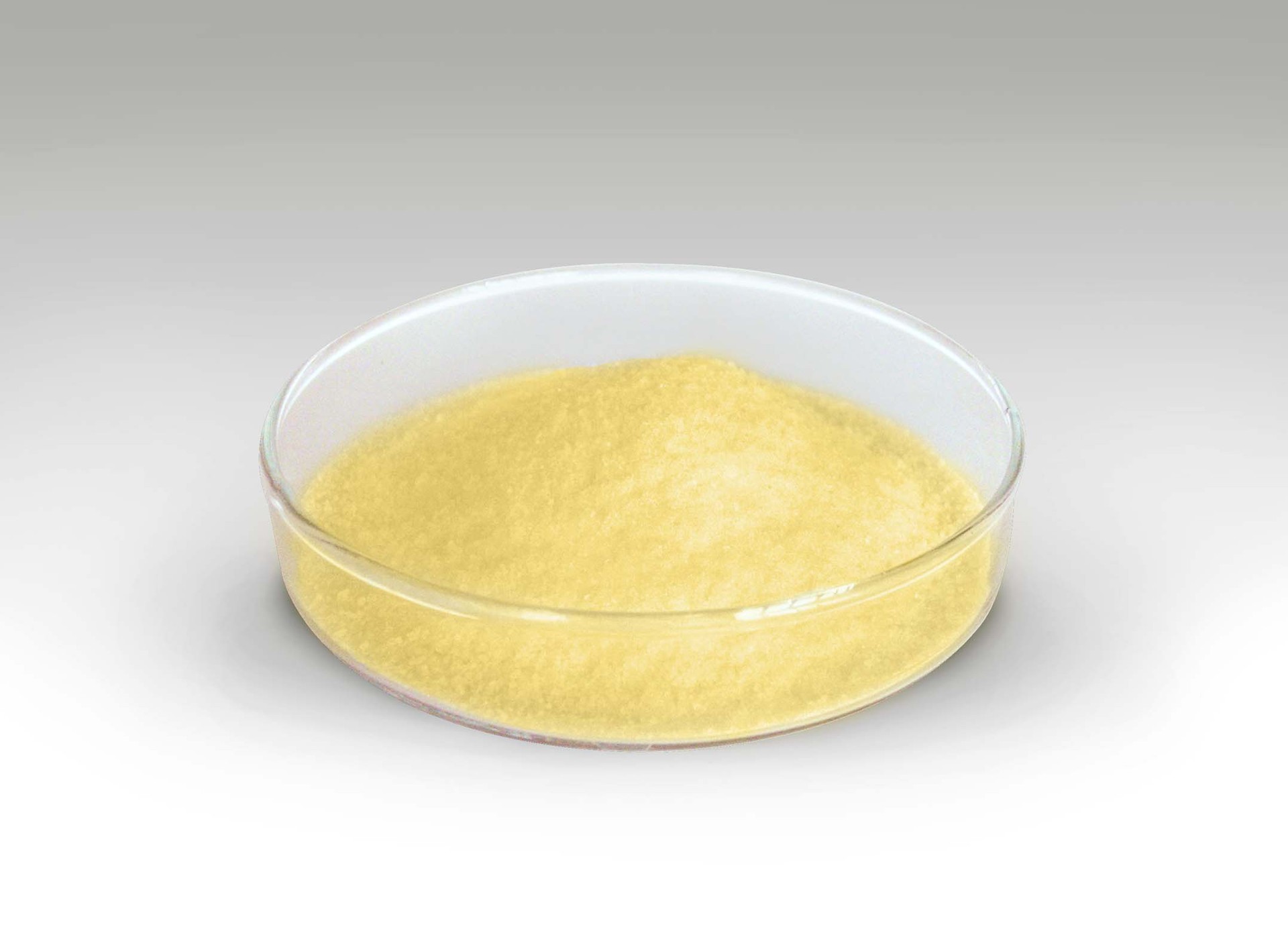
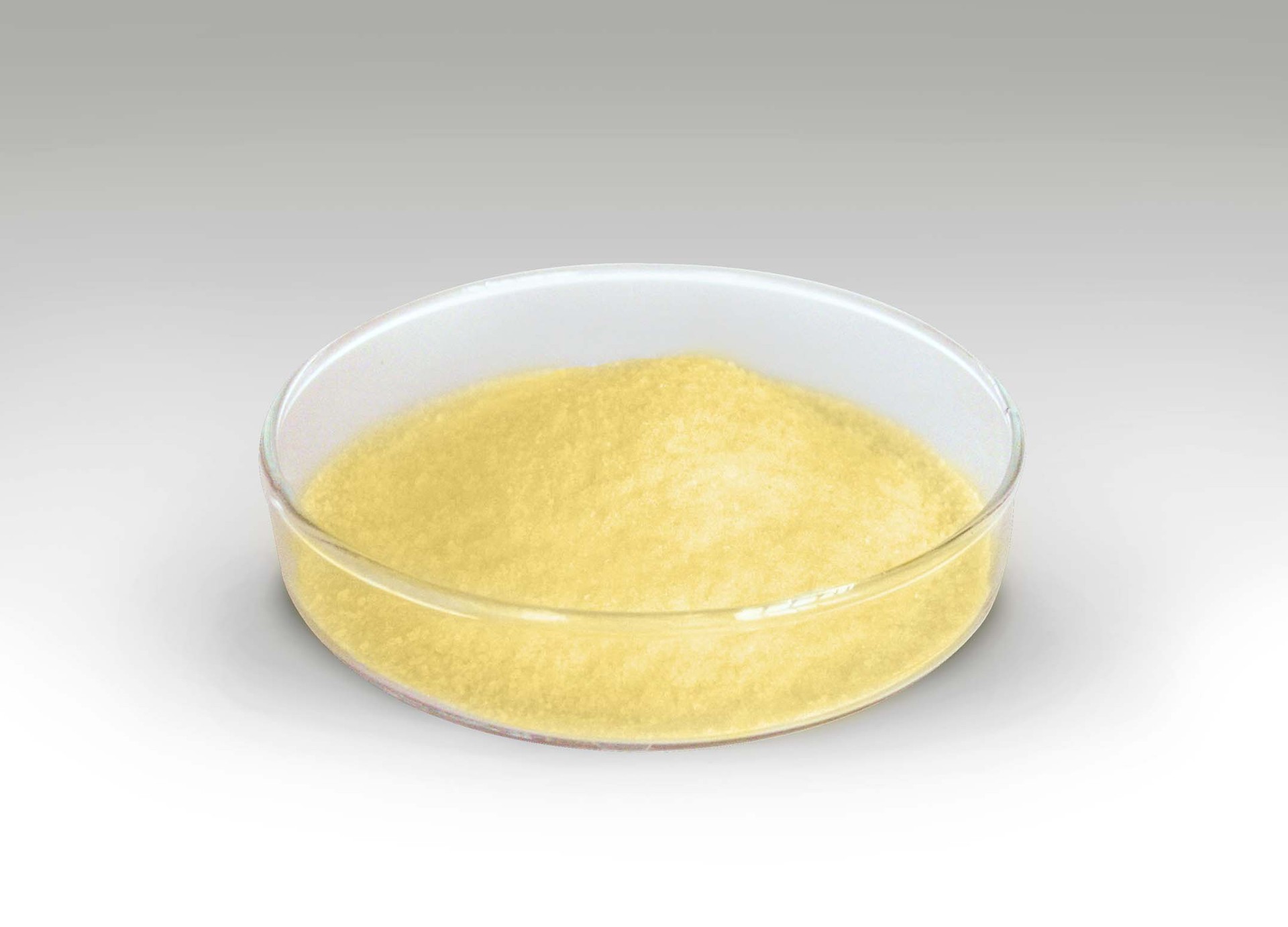
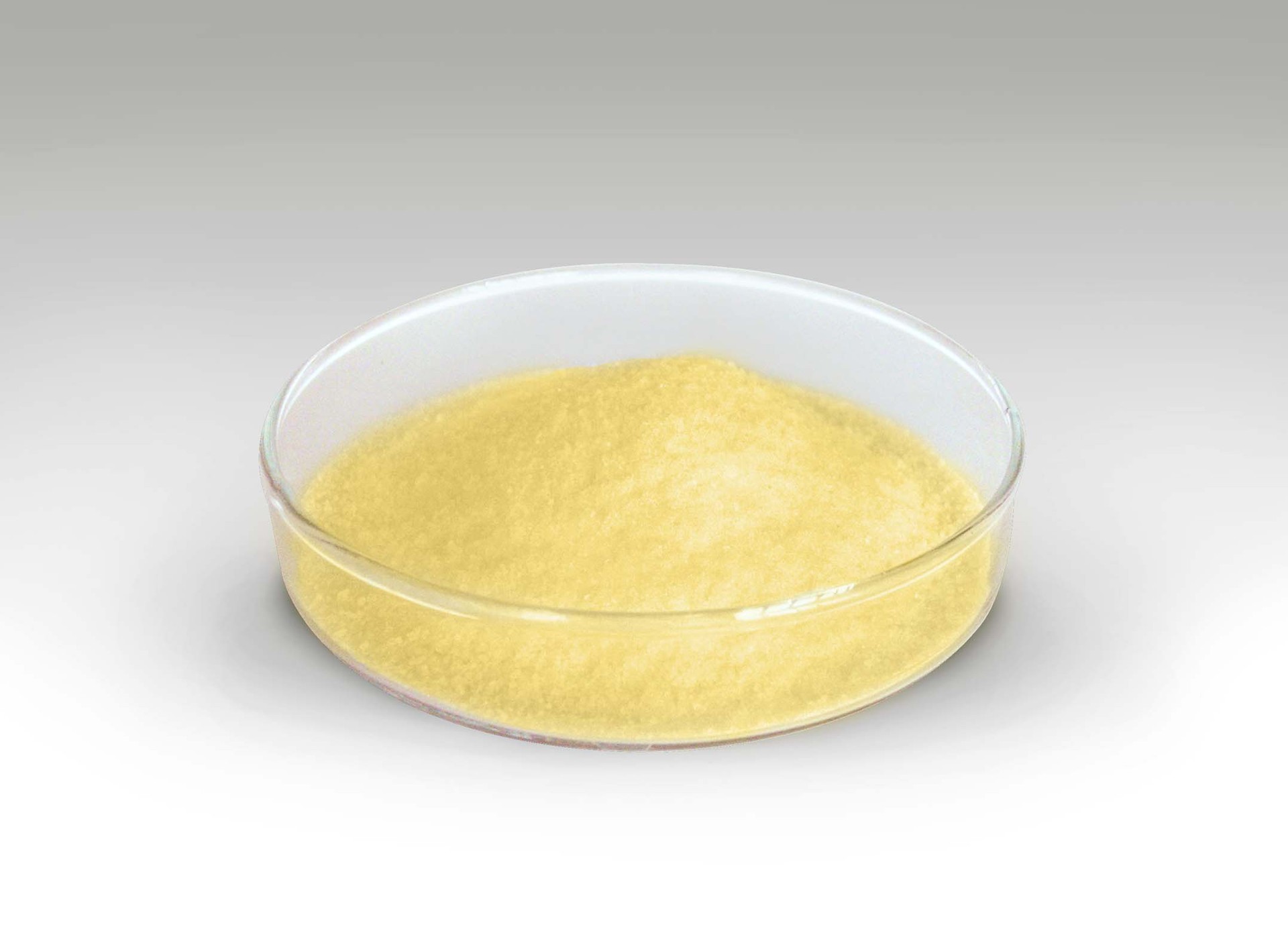
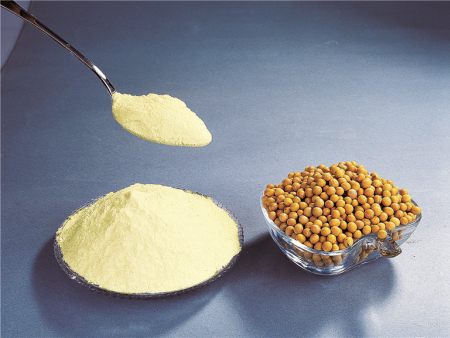
Phospholipid Raw Material
The structure of phospholipids—defined by their amphiphilic nature (dual hydrophilic "head" and hydrophobic "tail" regions) and structural variability (e.g., head group type, fatty acid tail length/saturation)—is directly and inherently linked to their biological and industrial functions. Every structural feature of phospholipids is tailored to enable specific roles, from forming cell membranes to emulsifying oil and water. Phospholipid tails vary in two key ways: length (14–24 carbon atoms) and saturation (presence/absence of double bonds). These variations directly control membrane fluidity—a critical property for cell function (e.g., nutrient transport, enzyme activity, cell division).
Other supplier products
|
|
Phospholipids as |
Phospholipids are not just additives—they are also essential nutrients (rich in choline, linoleic acid, and phosphatidylserine). This makes t... |
|
|
Phospholipids |
Phospholipids are essential nutrients for humans, playing critical roles in cell membrane structure, lipid metabolism, and brain function. As such,... |
|
|
Phosphatidylserine |
Phosphatidylserine, also known as PS, is an important phospholipid molecule. It is widely found in bacteria, yeast, plants, and mammalian cells, es... |
|
|
Phosphatidylserine |
Phosphatidylserine is a kind of compound that can be extracted from raw materials from different sources. It exists in biofilms of all animals, hig... |
|
|
Phospholipids Powder |
Phospholipids (e.g., lecithin, the most widely used phospholipid in food) are premier emulsifiers, leveraging their amphiphilic structure (hydrophi... |
供应产品
Same products