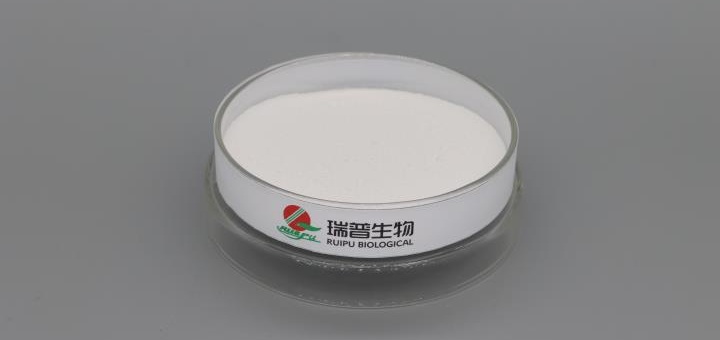
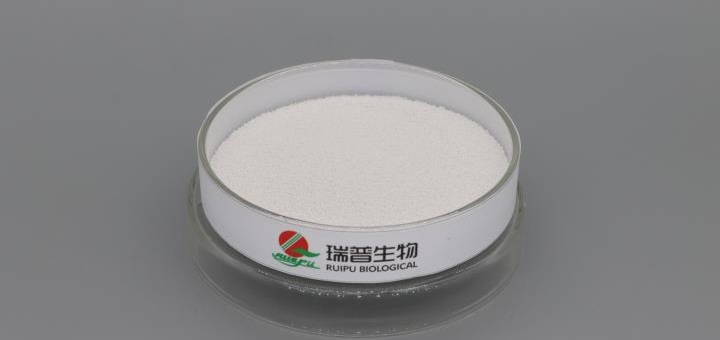
Calcium carbonate
Calcium carbonate has three different crystal structures:
Calcite: It is the most common structural form, belonging to the trigonal crystal system, and has high symmetry and stability. The crystal forms of calcite are diverse, with common ones including rhombohedrons and trigonal hedrons. In nature, marble, limestone and other materials are mainly composed of calcite.
Aragonite, also known as aragonite, belongs to the orthorhombic crystal system. Its crystal structure and physical properties are different from those of calcite. The stability of aragonite is relatively low and it can be transformed into calcite under certain conditions.
Aragonite: It is a metastable structural form and belongs to the hexagonal crystal system. Aragonite is relatively rare in nature and usually forms under specific physical and chemical conditions, such as in living organisms or during certain rapid precipitation processes.
Другие товары поставщика
|
|
Magnesium Gluconate |
pH and Aqueous Solution Properties of Magnesium Gluconate Aqueous pH: Solutions of magnesium gluconate are slightly alkaline (pH 7.5–9) due t... |
|
|
Magnesium Citrate |
In clinical settings, magnesium citrate is used to address specific health conditions: Electrolyte replacement: Administered orally (or intravenous... |
|
|
Potassium Malate |
Product Name:Potassium Malate Description Molecular formula:C4H5KO5 Molecular weight:172.18 Potassium Malate assay:98% Shelf life:24 month CAS NO.:... |
|
|
Magnesium Citrate |
Chemical Formula: C₄H₃NaO₄
It is formed by the partial neutralization of fumaric acid (HOOC-CH=CH-COOH), where one carboxyl group (-COOH) loses a ... |
|
|
Calcium Carbonate |
The uses of Calcium CarbonateIndustry: It is an important industrial raw material, used in the manufacture of cement, glass, ceramics, refractory m... |
Все товары поставщика
Похожие товары