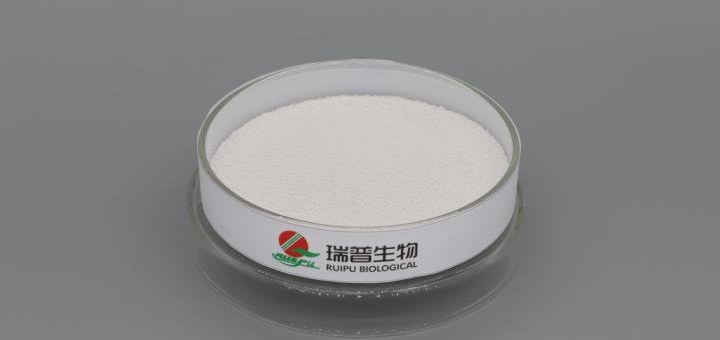
Calcium carbonate
Calcium carbonate has three different crystal structures:
Calcite: It is the most common structural form, belonging to the trigonal crystal system, and has high symmetry and stability. The crystal forms of calcite are diverse, with common ones including rhombohedrons and trigonal hedrons. In nature, marble, limestone and other materials are mainly composed of calcite.
Aragonite, also known as aragonite, belongs to the orthorhombic crystal system. Its crystal structure and physical properties are different from those of calcite. The stability of aragonite is relatively low and it can be transformed into calcite under certain conditions.
Aragonite: It is a metastable structural form and belongs to the hexagonal crystal system. Aragonite is relatively rare in nature and usually forms under specific physical and chemical conditions, such as in living organisms or during certain rapid precipitation processes.
Other supplier products
|
|
Monosodium Fumarate |
This is the most common and well-established use of monosodium fumarate, leveraging its role as an acidulant, flavor modifier, and preservative: Ac... |
|
|
nutrient additives |
One of magnesium citrate's most well-known applications is as an osmotic laxative. When consumed, magnesium citrate draws water into the intestines... |
|
|
Magnesium Citrate |
Magnesium citrate influences the texture and shelf stability of food products through its interaction with other ingredients:Processed Meats and Se... |
|
|
Potassium Chloride |
Product Name:Potassium Chloride Description Molecular formula:KCL Molecular weight:74.55 Potassium Chloride assay:99% Shelf life:24 month CAS NO.:7... |
|
|
Magnesium Lactate Powder |
Magnesium lactate in Animal Feed and Veterinary Use Livestock Nutrition: Added to animal feed to prevent magnesium deficiency in livestock, especia... |
供应产品
Same products