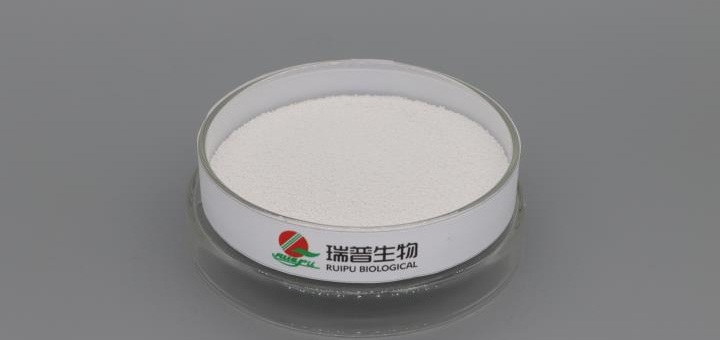
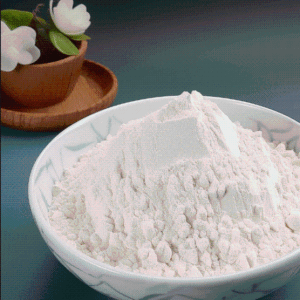
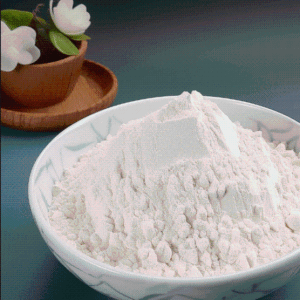
Magnesium Citrate
Chemical Formula: C₄H₃NaO₄
It is formed by the partial neutralization of fumaric acid (HOOC-CH=CH-COOH), where one carboxyl group (-COOH) loses a hydrogen ion (H⁺) and binds to a sodium ion (Na⁺), resulting in the structure: NaOOC-CH=CH-COOH.
Molecular Weight: Approximately 138.06 g/mol (anhydrous form).
Stability: Relatively stable under normal conditions (room temperature, dry storage). It may decompose at high temperatures (above 200°C) or in strongly alkaline environments, releasing carbon dioxide or other byproducts.
Reactivity: As an acid salt, it can react with bases to form disodium fumarate (NaOOC-CH=CH-COONa) and water. It also interacts with carbonates (e.g., baking soda) to release carbon dioxide, a property used in leavening baked goods.
Другие товары поставщика
|
|
Magnesium Citrate |
Magnesium citrate acts as a mild chelating agent, binding to metal ions (e.g., iron, copper) that can cause oxidation and spoilage in foods:Fruit a... |
|
|
Zinc Gluconate Granules |
Product Name:Zinc Gluconate Granules Description Raw material :zinc gluconate Assay:NLT 95% Shelf life:24 months Packing :25kg/drum Executive stand... |
|
|
Manganese Gluconate |
Product Name:Manganese Gluconate Description Molecular formula:C12H22MnO14 • 2H2O Molecular weight:481.27 Manganese assay:11.43% Shelf life:24... |
|
|
Calcium Carbonate |
Product Name: Calcium CarbonateCAS Number: 471-34-1Molecular formula: CCaO3Molecular weight: 100.0869EINECS number: 207-439-9Chemical compositionCh... |
|
|
Calcium carbonate |
Calcium carbonate can be classified into light calcium carbonate, heavy calcium carbonate and active calcium carbonate based on different productio... |
Все товары поставщика
Похожие товары