Nisin
Core Antibacterial Mechanism Nisin acts by disrupting the cell membrane of gram-positive bacteria, a process that occurs in two main steps (as introduced in your earlier question, expanded here for clarity): Step 1: Binding to the bacterial cell membrane. Nisin has a high affinity for lipid II—a key intermediate in the synthesis of peptidoglycan (the structural component of bacterial cell walls). Lipid II is embedded in the cell membrane, so nisin first attaches to lipid II, anchoring itself to the membrane surface. Step 2: Forming pores in the membrane. After binding to lipid II, nisin aggregates with other nisin molecules and lipid II to create small pores (channels) in the cell membrane. These pores disrupt the membrane’s integrity, causing the uncontrolled leakage of intracellular substances (e.g., ions, amino acids, ATP) and the influx of extracellular water. This rapid loss of membrane potential and cellular contents leads to bacterial cell death.
Другие товары поставщика
|
|
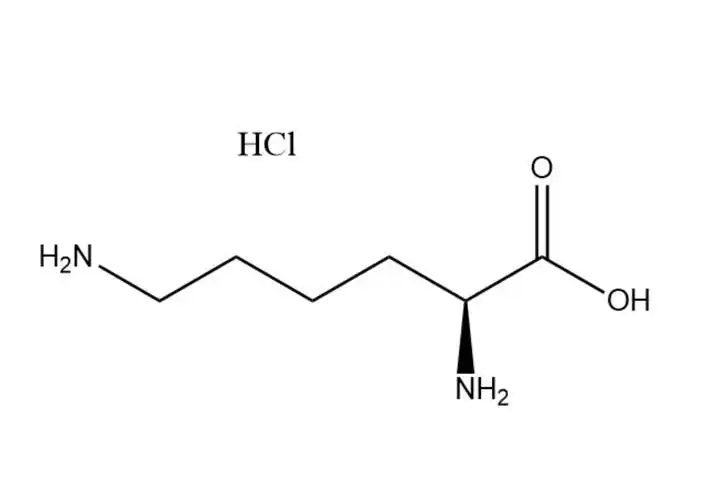
ε-Polylysine hydrochloride |
In addition to its use as a preservative, ε-Polylysine hydrochloride is also used as a natural flavor enhancer in some food products. Its a... |
|
|
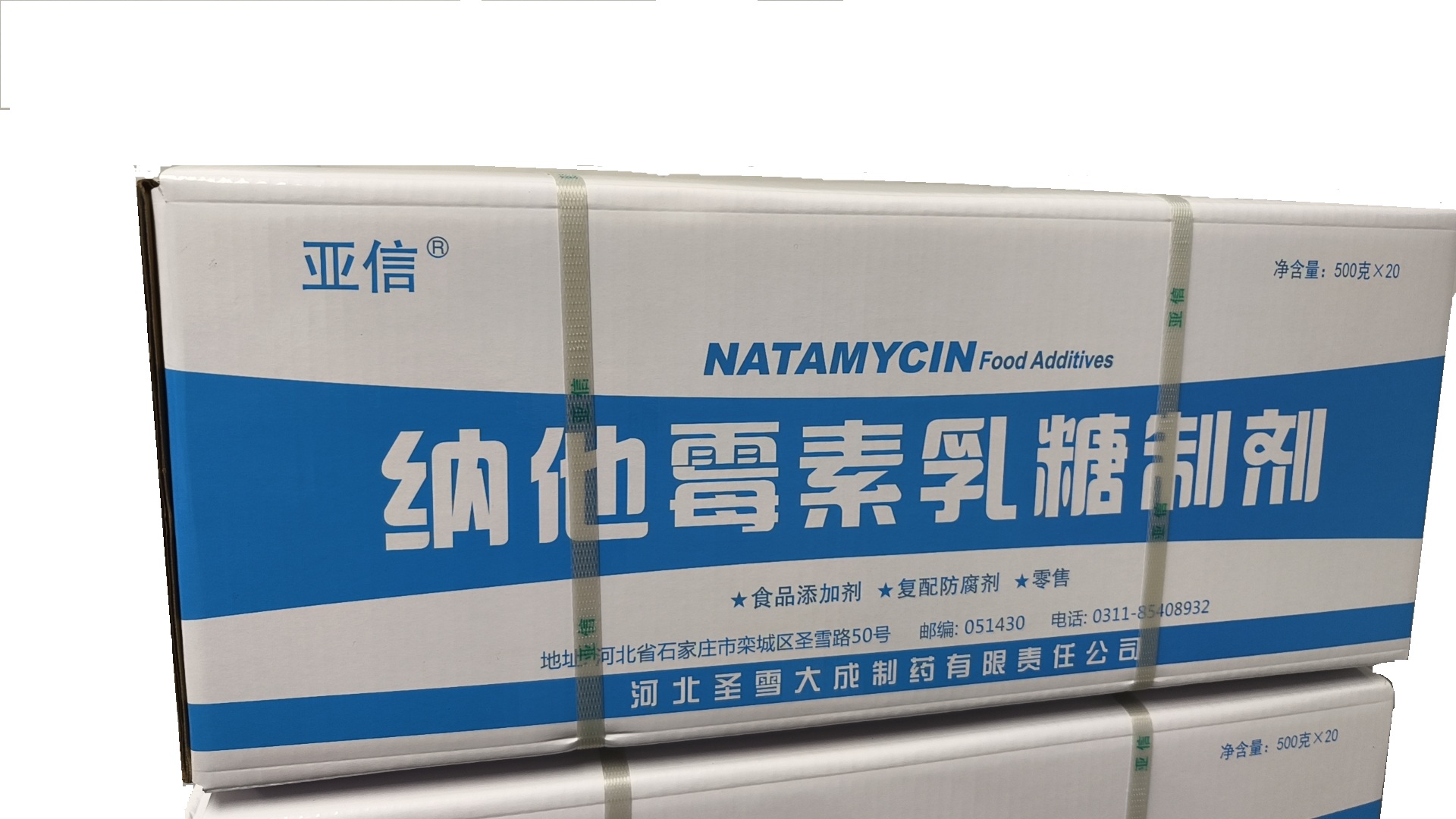
Natamycin 7681-93-8 |
The application fields of natamycin1. Food industryAnti-corrosion and preservation: As a natural preservative, it is widely used in foods such as c... |
|
|
Nisin |
Nisin is a natural antimicrobial peptide with specific properties and characteristics that make it suitable for various applications, particularly ... |
|
|
Nisin |
Nisin is sometimes used in fruit juices and beverages to control the growth of spoilage microorganisms.It provides an additional layer of protectio... |
|
|
Natamycin 7681-93-8 |
Natamycin and other food preservatives in the mechanism of action difference: Natamycin: By binding with ergosterol on the fungal cell membrane, th... |
Все товары поставщика
Похожие товары