Nisin
Core Antibacterial Mechanism Nisin acts by disrupting the cell membrane of gram-positive bacteria, a process that occurs in two main steps (as introduced in your earlier question, expanded here for clarity): Step 1: Binding to the bacterial cell membrane. Nisin has a high affinity for lipid II—a key intermediate in the synthesis of peptidoglycan (the structural component of bacterial cell walls). Lipid II is embedded in the cell membrane, so nisin first attaches to lipid II, anchoring itself to the membrane surface. Step 2: Forming pores in the membrane. After binding to lipid II, nisin aggregates with other nisin molecules and lipid II to create small pores (channels) in the cell membrane. These pores disrupt the membrane’s integrity, causing the uncontrolled leakage of intracellular substances (e.g., ions, amino acids, ATP) and the influx of extracellular water. This rapid loss of membrane potential and cellular contents leads to bacterial cell death.
Other supplier products
|
|
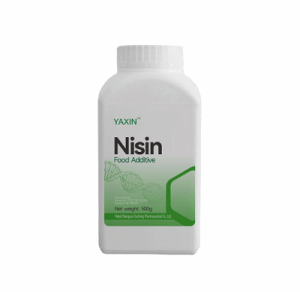
Nisin Powder Supplier |
Nisin, a natural antimicrobial peptide produced by certain strains of lactic acid bacteria (primarily Lactococcus lactis), is widely used in the fo... |
|
|
Bulk supply |
Since Nisin was approved for use by the FDA in 1969, it has been applied in the global food industry for over 50 years. During this period, there h... |
|
|
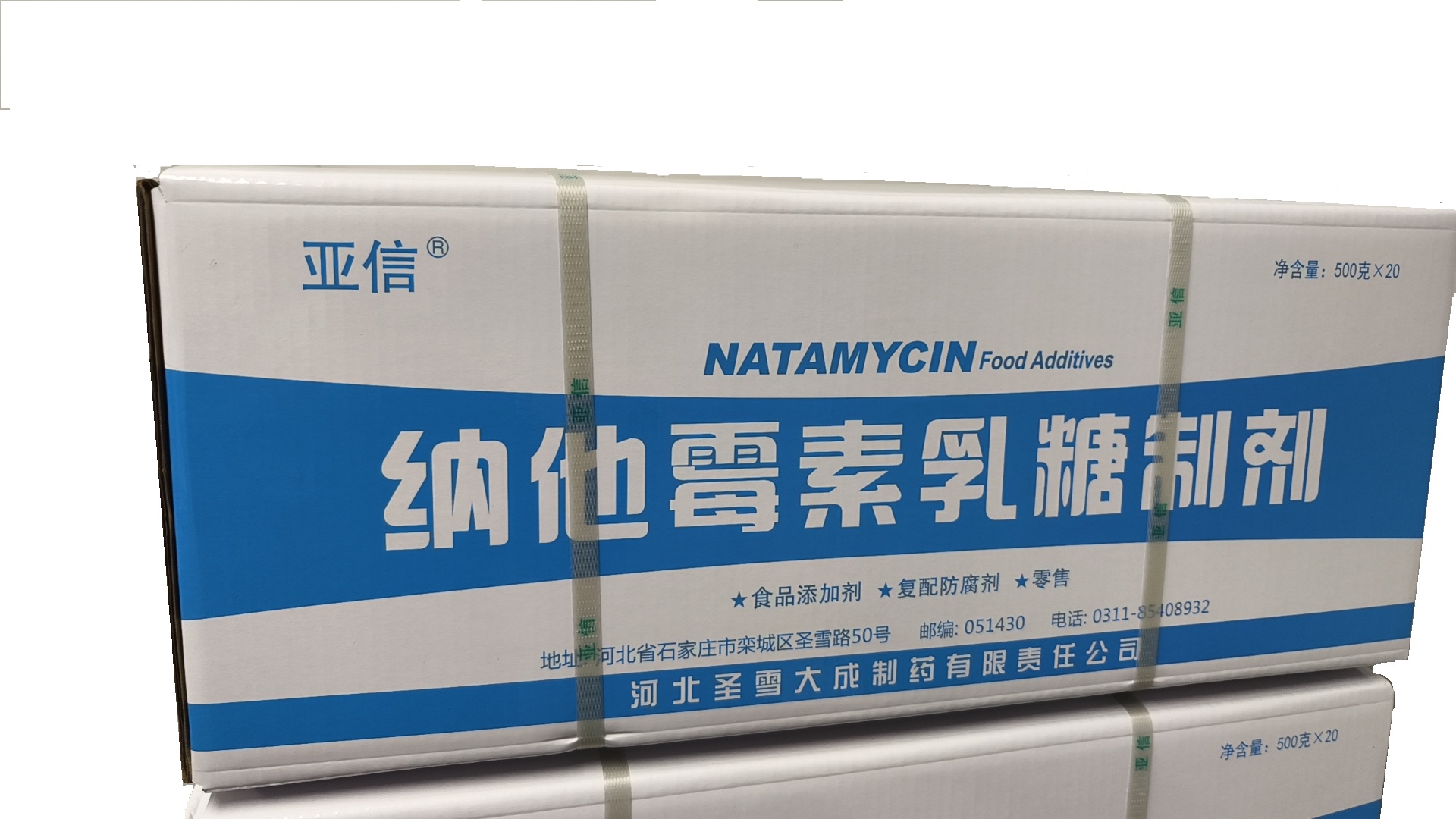
Natamycin Manufacturer |
Natamycin, as a food additive, has the advantages of wide antibacterial spectrum, high safety, strong stability, and no adverse effects on food fla... |
|
|
Nisin Powder |
Stability and pH SensitivityAcid Stability:Most stable at pH 3–5, retaining activity in acidic environments (e.g., yogurt, pickles, fruit jui... |
|
|
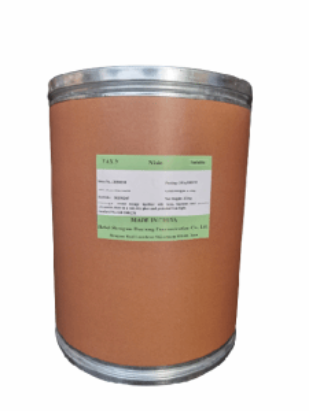
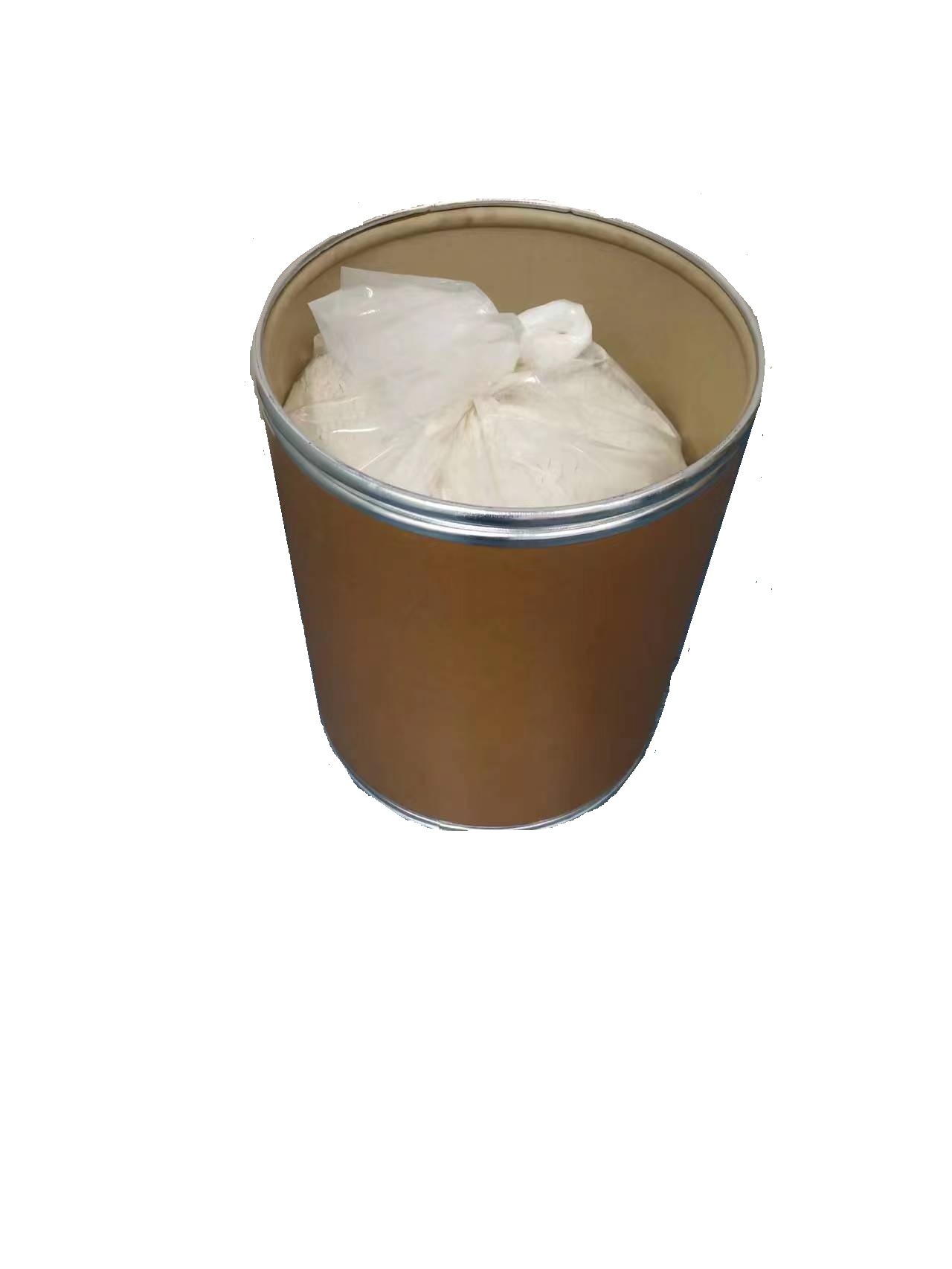
Nisin Raw Material 25KG |
While nisin shows promise as a nutritional supplement, several areas require further research: Long-term efficacy: Most studies focus on short-term... |
供应产品
Same products