DL-Alanine
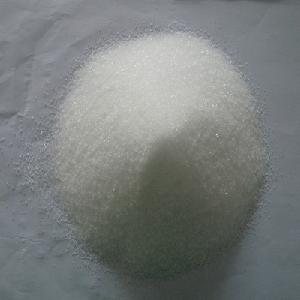
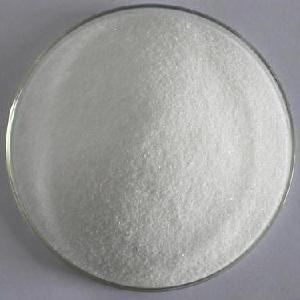
DL-Alanine is not naturally abundant in living organisms (most life forms primarily use L-Alanine as a building block for proteins). It is mainly producedsyntheticallythrough two common methods:
- Chemical Synthesis: Typically via the "Strecker synthesis" (reacting acetaldehyde with ammonia and cyanide to form an amino nitrile, which is then hydrolyzed to DL-Alanine) or the "amination of pyruvate" (reacting pyruvic acid with ammonia under catalytic conditions to generate a racemic mixture of alanine).
- Biotechnological Production: Some microbial fermentation processes (using engineered bacteria) can produce DL-Alanine by converting glucose or other carbon sources, though this method is less common than chemical synthesis.
Другие товары поставщика
|
|
DL-methionine |
The α-amino group in DL-methionine has the typical reactivity of a primary amine and can participate in acylation, alkylation, and condensati... |
|
|
Glycine |
In the field of medicine and health, glycine is an important raw material drug, drug intermediate, and nutritional supplement. It can be directly u... |
|
|
DL-Methionine |
Solubility of DL-MethionineWater solubility: DL-methionine isslightly soluble in water, which is a typical characteristic of non-polar amino acids.... |
|
|
L-Methionine powder |
L-Methionine, as an essential sulfur-containing amino acid with diverse biological functions, has widespread applications across food nutrition, an... |
|
|
L-Cysteine hydrochloride monohydrate |
Chemical Structure and PropertiesMolecular FormulaChemical Formula:C3H7NO2S· HCl· H2O Molecular Weight: Approximately 175.64 g/molStr... |
Все товары поставщика
Похожие товары