

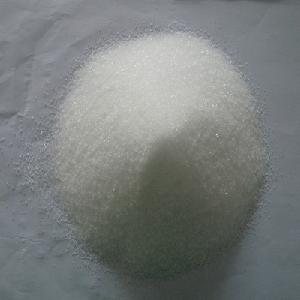
DL-Alanine Raw Material

Send product request
Other supplier products
 |
L-Methionine Supply price | L-Methionine is a critical precursor for the synthesis of glutathione (GSH), the body’s primary intracellular antioxidant, through the transs... |
 |
L-Methionine in Food and Nutritional Fortification Applications | L-Methionine in Food and Nutritional Fortification Applications In the food industry, L-Methionine is primarily used as a nutritional fortifier to ... |
 |
Fish collagen peptides Wholesale Price | Benefits of Fish collagen peptidesSkin Care: By enhancing collagen activity in the skin, fish collagen peptides can maintain skin elasticity and gl... |
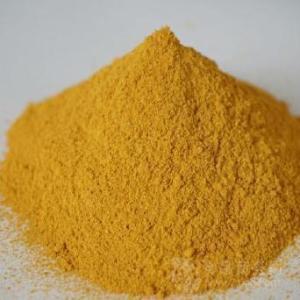 |
Folic Acid Manufacturer | Product Introduction: Product name: Folic acid Synonyms: vitamin B9 Chemical name: pteroyl glutamic acid; N-(4-((2-amino-4-oxo-1,4-dihydro-6-pterin... |
 |
L-Methionine in Pharmaceutical and Medical Applications | In pharmaceuticals, L-Methionine is used for therapeutic purposes and as a pharmaceutical excipient, leveraging its metabolic and antioxidant prope... |
Same products
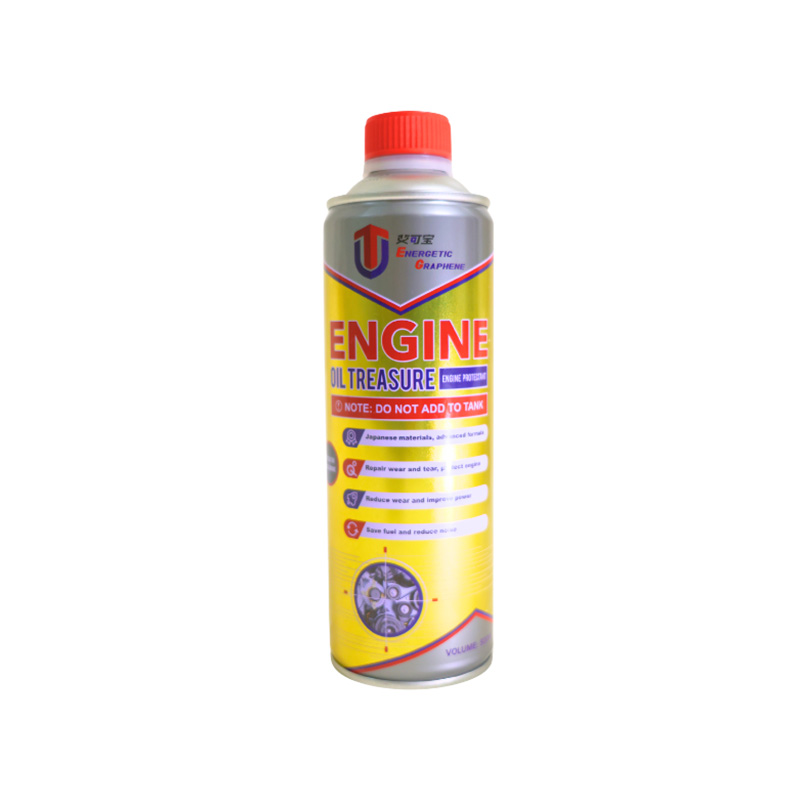 |
Deboom Energetic Graphene Oil Additive | Seller: Shanghai Aikebao New Material Technology Co., Ltd | Asgraphene oil additive manufacturerspecializing in automotive solutions, we understand the criti... |
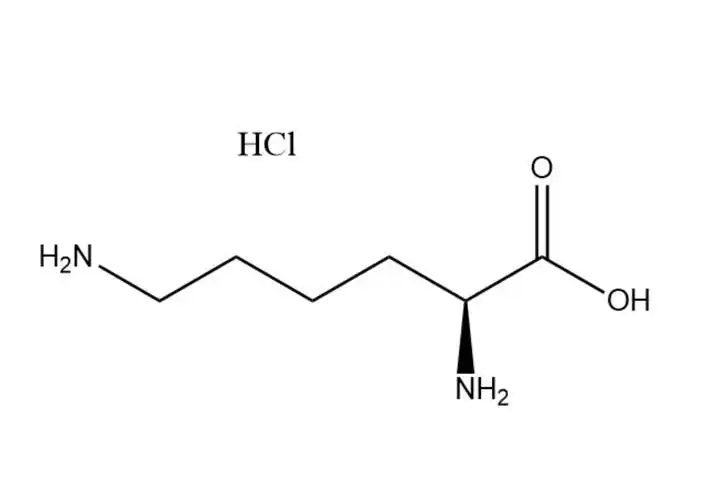 |
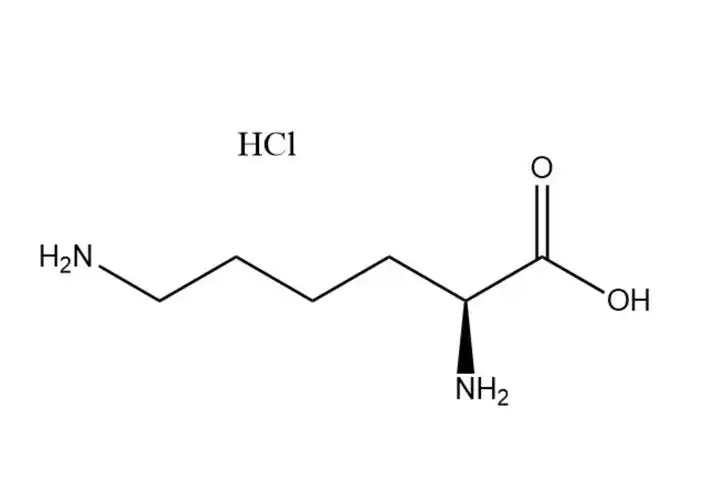
L-Lysine monohydrochloride as nutrient additives | Seller: Shanghai Yifu Food Ingredients Co., Ltd | Free L-lysine is highly hygroscopic—it absorbs atmospheric moisture rapidly at relative hum... |
 |
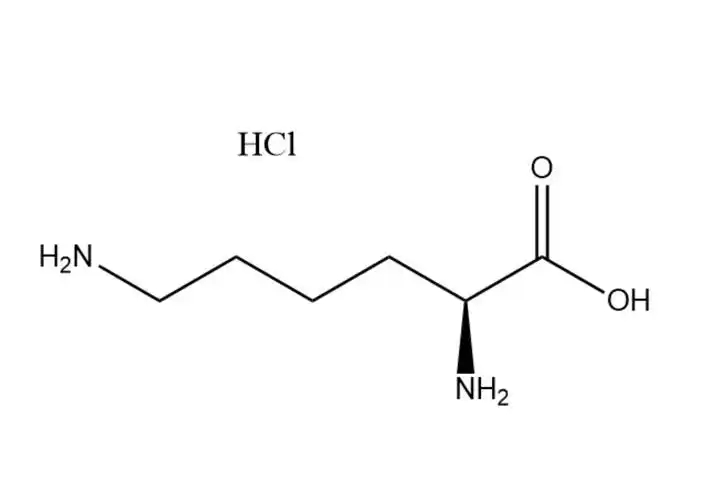
L-Lysine monohydrochloride Purchase price | Seller: Shanghai Yifu Food Ingredients Co., Ltd | L-Lysine monohydrochloridehas a higher aqueous solubility than free L-lysine: ~70 g/100 mL at 25 ... |
 |
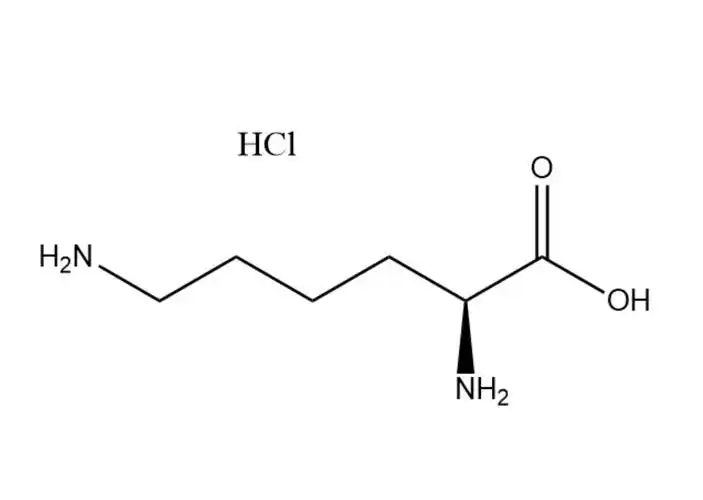
L-Lysine monohydrochloride Partners, long-termCooperation | Seller: Shanghai Yifu Food Ingredients Co., Ltd | The most prominent performance advantage ofL-Lysine monohydrochloride is its optimized physical a... |
 |
L-Lysine monohydrochloride Marke quotation | Seller: Shanghai Yifu Food Ingredients Co., Ltd | L-Lysine monohydrochloride (L-Lys·HCl) is the dominant commercial form of L-lysine—a... |

