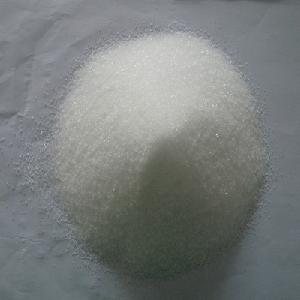
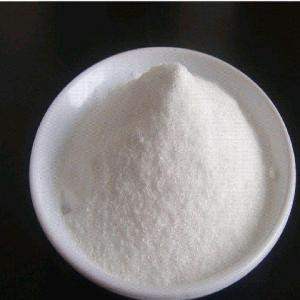
DL-Alanine
DL-Alanine is not naturally abundant in living organisms (most life forms primarily use L-Alanine as a building block for proteins). It is mainly producedsyntheticallythrough two common methods:
- Chemical Synthesis: Typically via the "Strecker synthesis" (reacting acetaldehyde with ammonia and cyanide to form an amino nitrile, which is then hydrolyzed to DL-Alanine) or the "amination of pyruvate" (reacting pyruvic acid with ammonia under catalytic conditions to generate a racemic mixture of alanine).
- Biotechnological Production: Some microbial fermentation processes (using engineered bacteria) can produce DL-Alanine by converting glucose or other carbon sources, though this method is less common than chemical synthesis.
Other supplier products
|
|
Sucralose Partners, long-termCooperation |
Sucralose is currently a widely used high-potency sweetener globally. Its safety has been verified through decades of toxicological studies, animal... |
|
|
The Application of Inositol in the Food Industry |
Inositol, as a natural and safe functional food ingredient and a vital vitamin‑like nutrient, has been widely applied in the modern food industry d... |
|
|
L-Cysteine hydrochloride monohydrate |
1. Storage Environment Dehumidifiers: Use in storage areas to maintain RH below 60%. In tropical or humid climates, this is essential. Climate-Cont... |
|
|
L-Threonine |
Nutritional Fortification and Amino Acid Supplementation Essential Amino Acid Addition: L-Threonine is an essential amino acid for humans (cannot b... |
|
|
L-Lysine monohydrochloride |
Basic Molecular and Structural Characteristics
Molecular weight: 182.65 g/mol (free L-lysine: 146.19 g/mol; the hydrochloride moiety increas... |
供应产品
Same products