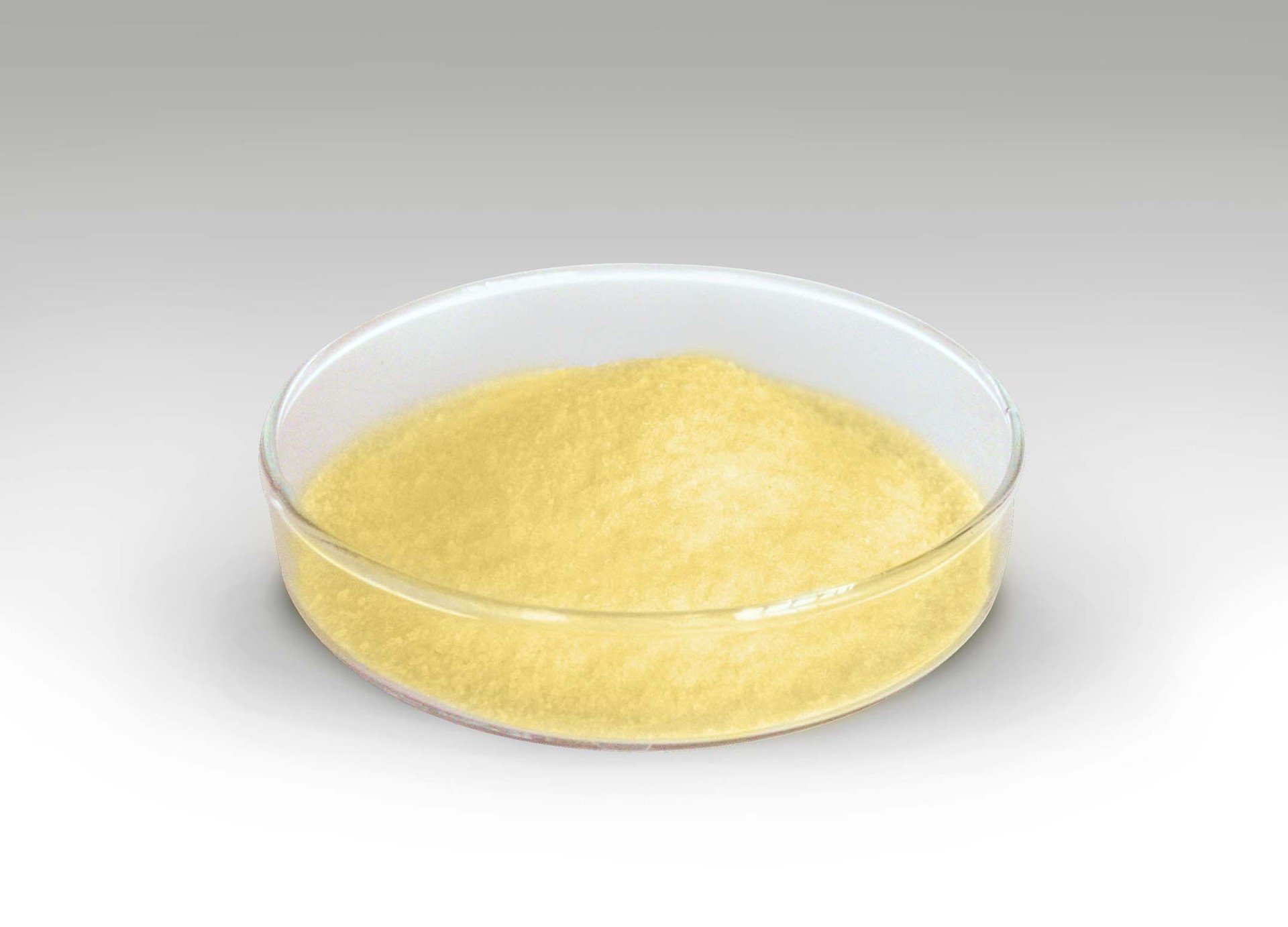
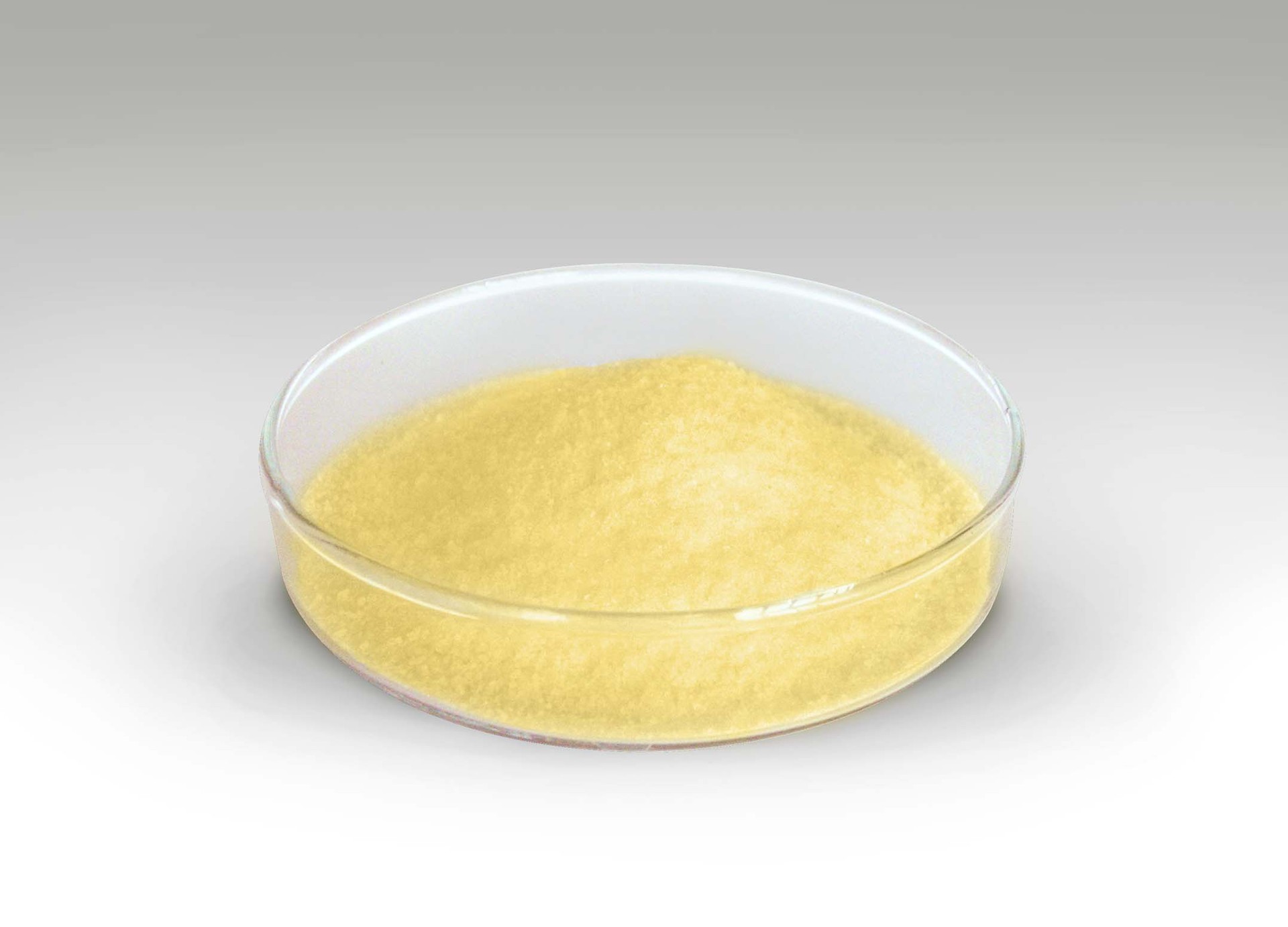
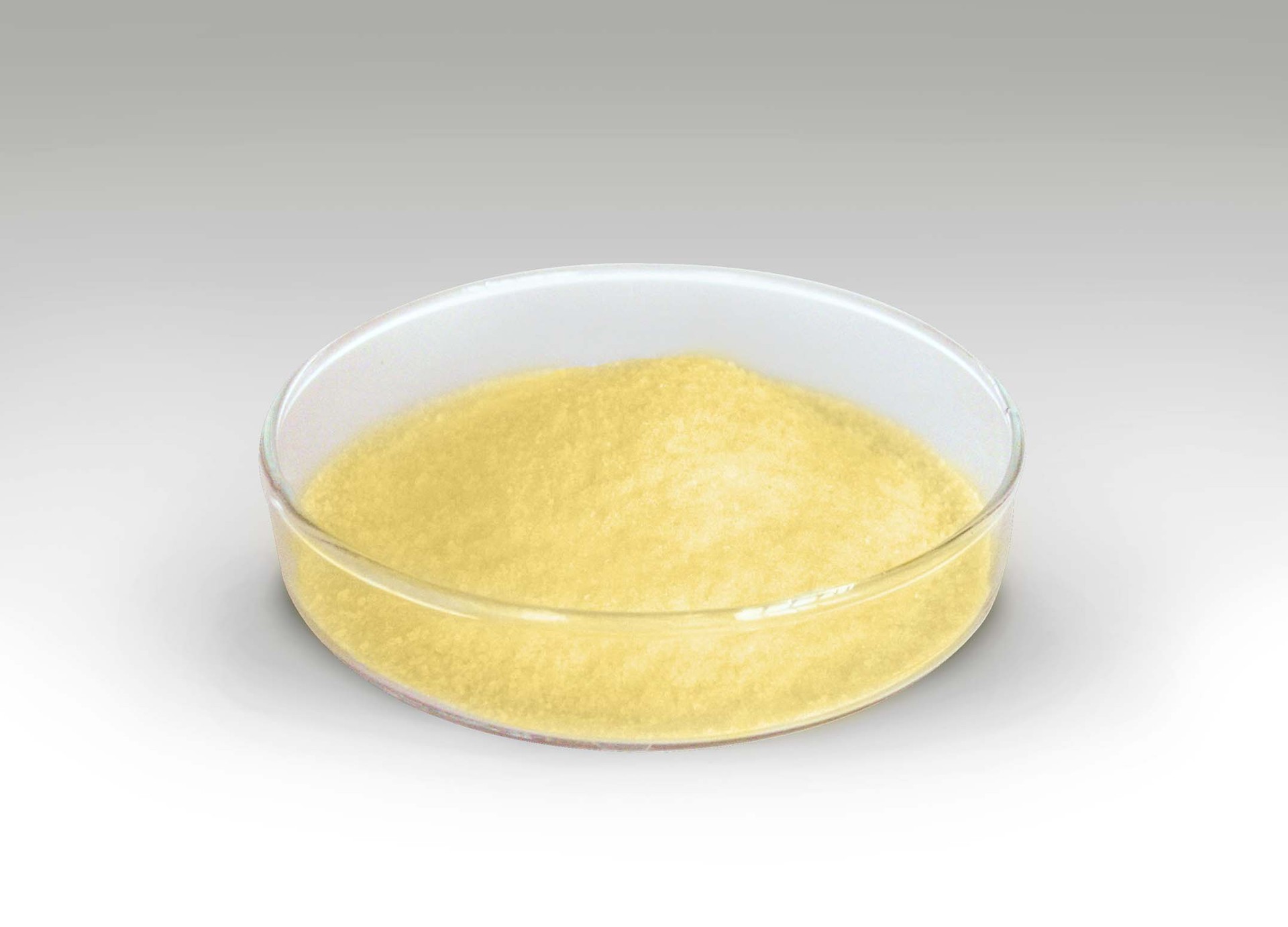
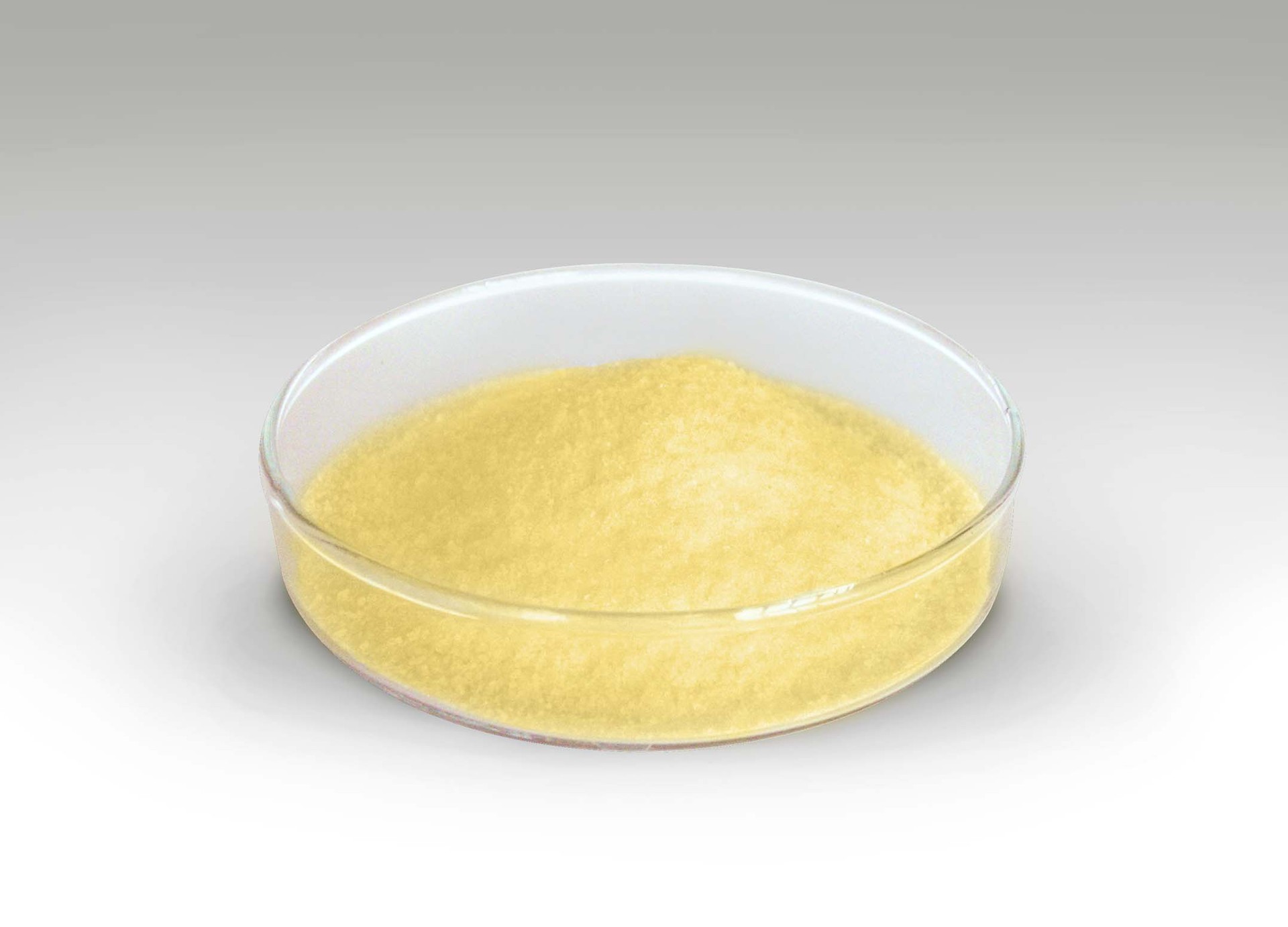
Phospholipid Raw Material
Phospholipids (especially lecithin derived from soybeans, egg yolks, or sunflowers) are recognized as Generally Recognized as Safe (GRAS) by global regulatory bodies (FDA, EFSA, CFSA). They are labeled as "lecithin" or "soy lecithin" in food ingredients lists, and there are no strict upper limits for most applications (though typical addition levels range from 0.1% to 1%, depending on the food).
In the food industry, phospholipids are versatile additives that go beyond simple emulsification—they improve texture, reduce sticking, extend shelf life, fortify nutrition, and enable low-fat product development. Their amphiphilic structure makes them uniquely suited to solve common food processing challenges, while their natural origin (e.g., soy, eggs) aligns with consumer demand for clean, label-friendly ingredients. This combination of functionality and safety has made phospholipids indispensable in modern food production.
Other supplier products
|
|
Phosphatidylserine |
Veterinary and Animal Health: Nutritional and Therapeutic Use Pet Cognitive Health Canine and Feline Brain Support: Supplements with PS are used to... |
|
|
Phosphatidylserine |
Phosphatidylserine (PS) is a phospholipid with unique structural and biological properties, offering significant application advantages across mult... |
|
|
Phospholipid Raw Material |
Phospholipids modify the structure of starches and proteins in baked goods and cereals, enhancing texture, volume, and shelf life. Mechanisms &... |
|
|
Phospholipids Powder |
influence the sensory properties of foods by adjusting viscosity, elasticity, and mouthfeel.Chocolate and Confections: In chocolate production, lec... |
|
|
Phospholipid in Fried Foods |
Phospholipid in Fried Foods (French Fries, Potato Chips) Core purpose: Reduce oil absorption and maintain crispness. Recommended dosage: 0.05%&ndas... |
供应产品
Same products