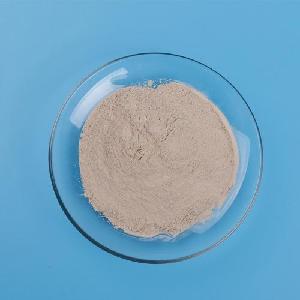
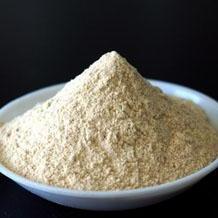
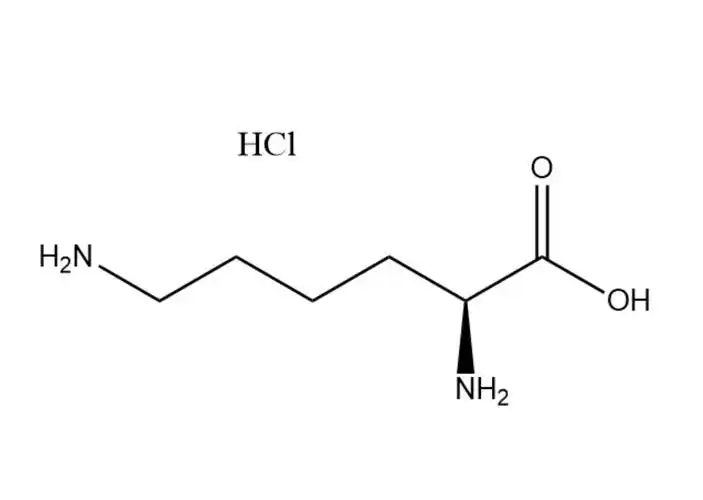
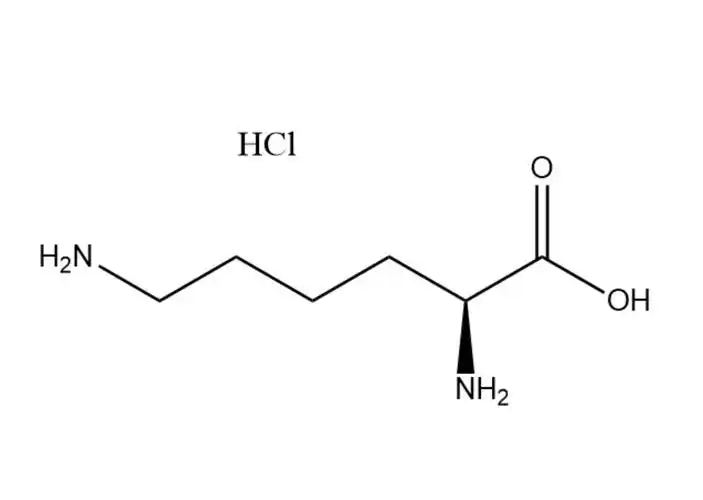
L-tryptophan Powder
Melting Point of L-tryptophan L-tryptophan decomposes upon heating rather than melting cleanly, with a decomposition temperature around 289–290°C. This thermal instability means it can degrade under high-temperature conditions, especially in the presence of oxygen.Optical Activity As a chiral molecule (with a chiral center at the α-carbon), L-tryptophan exhibits optical activity. It rotates plane-polarized light to the left (levorotatory), with a specific rotation ([α]ᵈ²⁰) of approximately -31.5° to -33.0° in 1 M hydrochloric acid solution. Chemical PropertiesMolecular Structure and Functional Groups Its chemical formula isC11H12N2O2, with a molecular weight of 204.23 g/mol. The structure includes:An amino group (-NH₂) and a carboxyl group (-COOH) attached to the α-carbon (typical of amino acids).An indole ring as its side chain, which is responsible for many of its unique chemical reactions and biological activities.
Other supplier products
|
|
Glycine |
In the field of biological research and laboratories, glycine is one of the most commonly used biochemical reagents. It is the basic monomer for pr... |
|
|
Manufacturer |
Metabolism and Safety of L-Methionine L-Methionine is absorbed in the small intestine via amino acid transporters and metabolized primarily in the ... |
|
|
DL-Alanine Powder |
DL-Alanine is a low-risk material for microbial growth (due to its amino acid nature, it is not a preferred nutrient for most spoilage microbes und... |
|
|
Xanthan Gum |
1. Introduction Xanthan gum, also known as yellow gum, Hansheng gum, xanthomonas polysaccharide, is a kind of monosporous polysaccharide produced b... |
|
|
L-Tyrosine |
Potential Benefits ·Improves mental clarity and cognitive performance. ·Enhances stress resilience and energy levels. ·Support... |
供应产品
Same products