L-tryptophan
L-tryptophan is naturally abundant in various protein-rich foods, with the following being key dietary sources: Animal products: Turkey, chicken, fish (e.g., salmon, tuna), eggs, dairy (milk, yogurt, cheese) are among the richest sources. For example, 100 grams of turkey breast contains approximately 0.3 grams of tryptophan. Plant-based foods: Legumes (lentils, chickpeas), nuts and seeds (pumpkin seeds, almonds), whole grains (oats, quinoa), and some fruits and vegetables (spinach, bananas) also provide moderate amounts, though generally less than animal sources. These natural sources contribute to daily tryptophan intake, supporting basic physiological functions like protein synthesis and neurotransmitter production.
Other supplier products
|
|
Sucralose |
Sucralose is a highly sweetening sweetener with excellent properties. It is a white powder product that readily dissolves in water (solubility 28.2... |
|
|
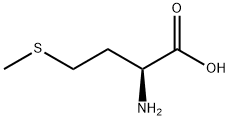
DL-methionine powder |
DL-Methionine, chemically known as DL-2-amino-4-(methylthio)butanoic acid, is a racemic mixture of L-methionine and D-methionine. As an essential s... |
|
|
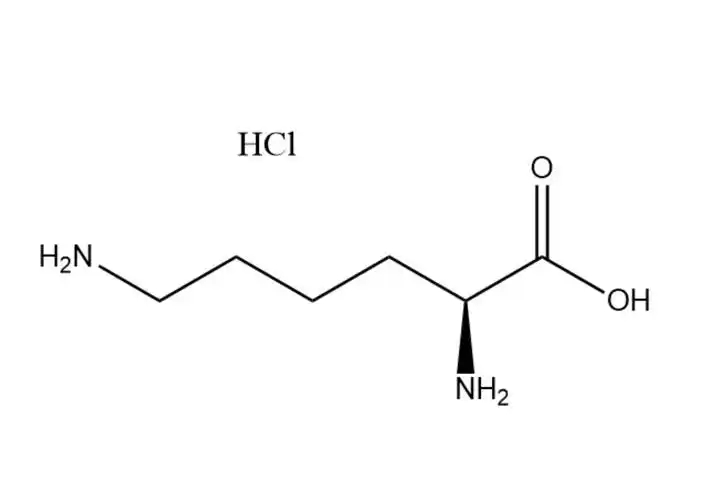
L-Lysine monohydrochloride |
Basic Molecular and Structural Characteristics
Molecular weight: 182.65 g/mol (free L-lysine: 146.19 g/mol; the hydrochloride moiety increas... |
|
|
DL-Alanine Powder |
DL-Alanine ishighly soluble in waterand has strong hygroscopicity (tendency to absorb moisture from the air). Moisture absorption causes the crysta... |
|
|
DL-Alanine |
DL-Alanine is thermally stable under normal conditions but is sensitive to prolonged high temperatures, which may cause partial decomposition (e.g.... |
供应产品
Same products