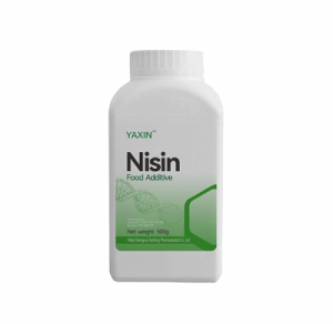
Nisin
Core Antibacterial Mechanism Nisin acts by disrupting the cell membrane of gram-positive bacteria, a process that occurs in two main steps (as introduced in your earlier question, expanded here for clarity): Step 1: Binding to the bacterial cell membrane. Nisin has a high affinity for lipid II—a key intermediate in the synthesis of peptidoglycan (the structural component of bacterial cell walls). Lipid II is embedded in the cell membrane, so nisin first attaches to lipid II, anchoring itself to the membrane surface. Step 2: Forming pores in the membrane. After binding to lipid II, nisin aggregates with other nisin molecules and lipid II to create small pores (channels) in the cell membrane. These pores disrupt the membrane’s integrity, causing the uncontrolled leakage of intracellular substances (e.g., ions, amino acids, ATP) and the influx of extracellular water. This rapid loss of membrane potential and cellular contents leads to bacterial cell death.
Other supplier products
|
|
Nisin Powder Supplier |
Nisin plays a vital role in the food industry as a natural, safe, and effective preservative, particularly in extending shelf life and enhancing sa... |
|
|
Nisin Raw Material |
Nisin is a naturally occurring lactic acid bacteriocin (a small antimicrobial peptide) produced by the bacterium Lactococcus lactis. Recognized as ... |
|
|
Natamycin 7681-93-8 |
Natamycin and other food preservatives in the mechanism of action difference: Natamycin: By binding with ergosterol on the fungal cell membrane, th... |
|
|
Nisin 500G Market quotation |
In recent years, global consumers have increasingly preferred "clean label" foods—products with simple, natural ingredient lists and no artif... |
|
|
Nisin Powder 25kg |
Nisin in Dairy Products Cheeses: Nisin is commonly added to processed cheeses, cheese spreads, and soft cheeses to prevent the growth of spoilage b... |
供应产品
Same products