L-proline 147-85-3
Basic information
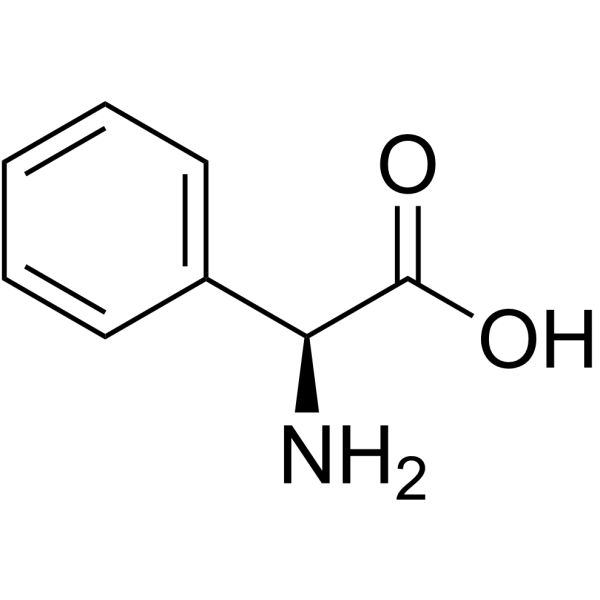
Structural characteristics: The molecular structure of L-proline is rather unique. Its α -amino group is an imine, and the hydrogen atom on this imine forms a five-membered ring structure with the side chain group. This ring structure endows proline with a distinctive rigidity and spatial configuration.
Chemical formula: C5H9NO2
Molecular weight: approximately 115.13 g/mol
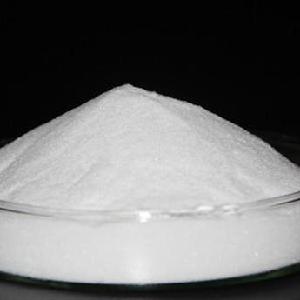
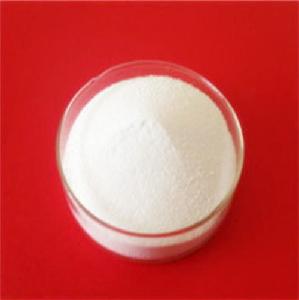
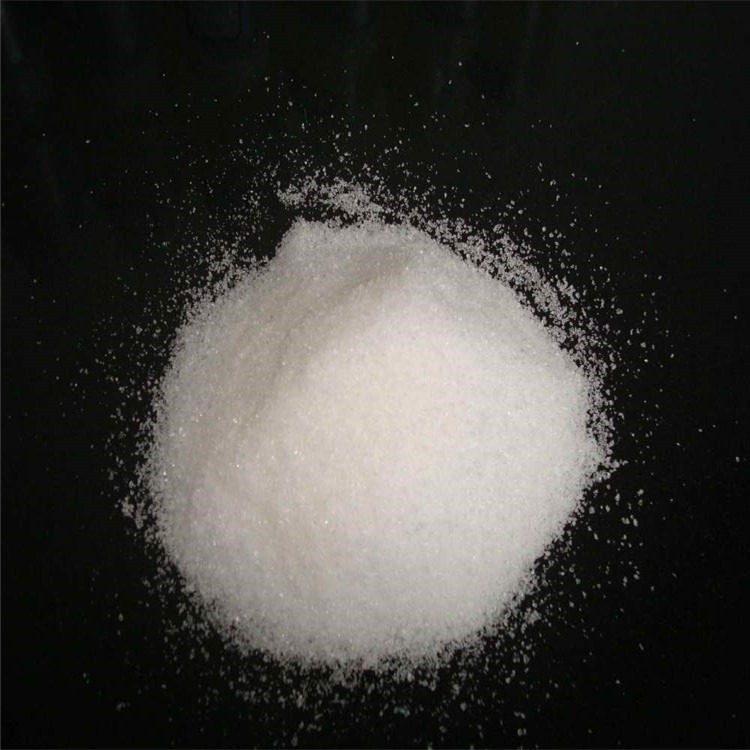
Appearance: Usually colorless to white crystalline powder, odorless, with a sweet taste.
Physical and chemical properties
Solubility: Readily soluble in water, slightly soluble in ethanol and ether.
Optical activity: It has optical activity. The natural L-proline can rotate planar polarized light to the right.
Stability: Stable in neutral and alkaline solutions, but some chemical reactions may occur in acidic solutions.
Other supplier products
|
|
High quality L-Glutamine |
Some key points about L-Glutamine:Biological Role: L-Glutamine is one of the 20 standard amino acids encoded by the genetic code and is classified ... |
|
|
L-Lysine monohydrochloride 657-27-2 |
Basic Molecular and Structural Characteristics
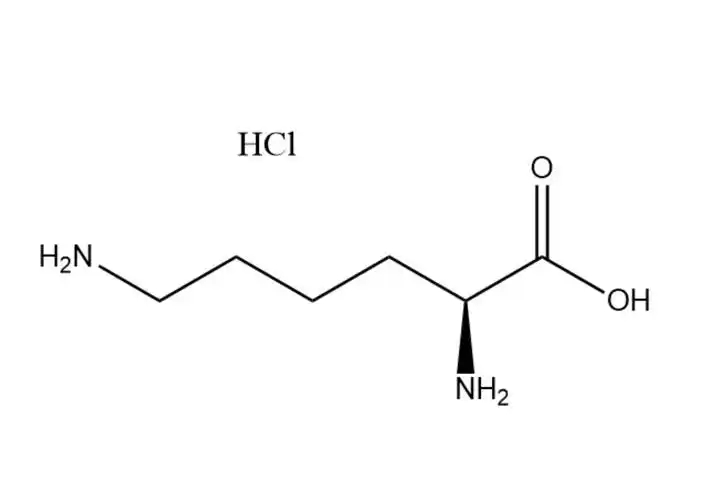
Molecular weight: 182.65 g/mol (free L-lysine: 146.19 g/mol; the hydrochloride moiety increas... |
|
|
Bulk Supply L-methionine |
For populations with increased needs (e.g., athletes, vegetarians, malnourished individuals) or those with limited dietary intake, L-methionine is ... |
|
|
L-Methionine Purchase price |
L-Methionine plays a pivotal role in maintaining liver function and preventing lipid accumulation: It promotes fatty acid oxidation: By supporting ... |
|
|
L-Lysine monohydrochloride Powder |
Appearance and Crystallinity ofL-Lysine monohydrochloride
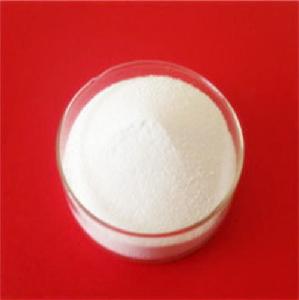
Pure state: White, odorless, crystalline powder or prismatic crystals (orthorhombic ... |
All supplier products
Same products