L-proline
Basic information
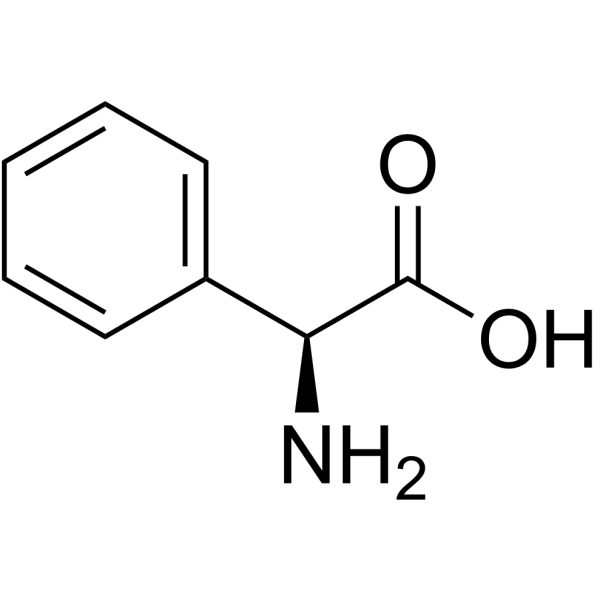
Structural characteristics: The molecular structure of L-proline is rather unique. Its α -amino group is an imine, and the hydrogen atom on this imine forms a five-membered ring structure with the side chain group. This ring structure endows proline with a distinctive rigidity and spatial configuration.
Chemical formula: C5H9NO2
Molecular weight: approximately 115.13 g/mol
Appearance: Usually colorless to white crystalline powder, odorless, with a sweet taste.
Physical and chemical properties
Solubility: Readily soluble in water, slightly soluble in ethanol and ether.
Optical activity: It has optical activity. The natural L-proline can rotate planar polarized light to the right.
Stability: Stable in neutral and alkaline solutions, but some chemical reactions may occur in acidic solutions.
Other supplier products
|
|
L-tryptophan |
L-tryptophan’s physical and chemical properties—rooted in its indole ring structure and amphoteric nature—dictate its stability, ... |
|
|
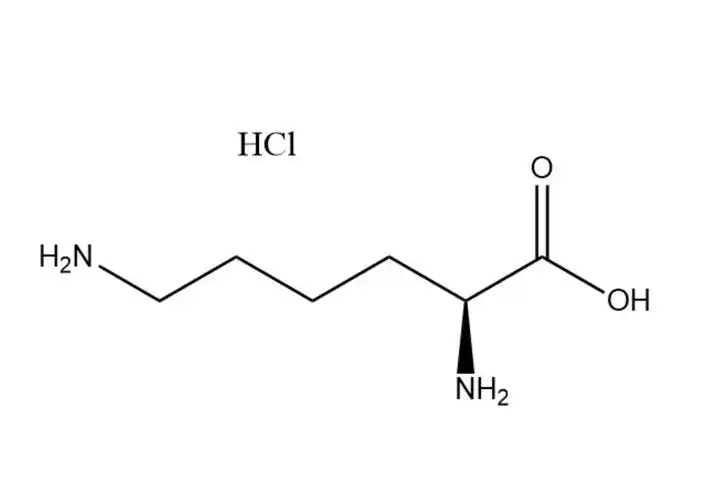
L-Lysine monohydrochloride |
Melting Point and Thermal Properties of L-Lysine monohydrochloride
Melting point (decomposition point): 263–264 °C (dec.). L-lysine mono... |
|
|
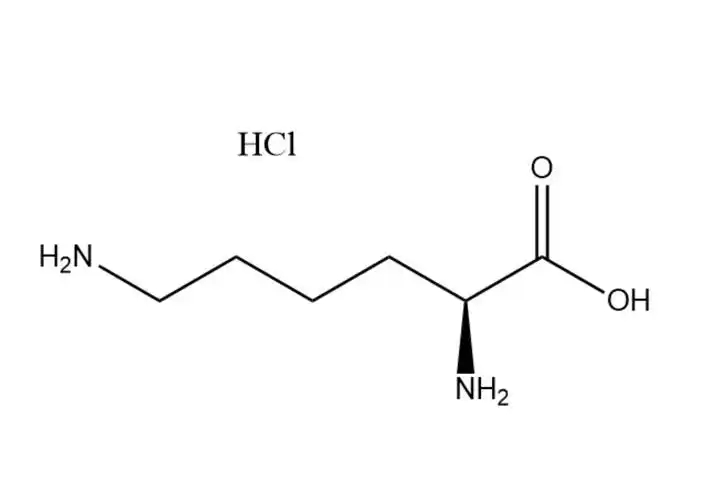
L-Lysine Monohydrochloride Price |
Reactions of Carboxyl and Amino Groups (Typical Amino Acid Reactions)
Neutralization reaction: Reacts with strong bases (e.g., NaOH, KOH) in a... |
|
|
DL-Methionine |
Redox Properties of DL-MethionineThemethylthio group (-SCH3)in the side chain of DL-methionine is the core moiety responsible for its redox reactiv... |
|
|
L-lysine monohydrochloride |
L-lysine monohydrochloride’s unique physical and chemical properties make it the preferred form of L-lysine for industrial and biological app... |
供应产品
Same products