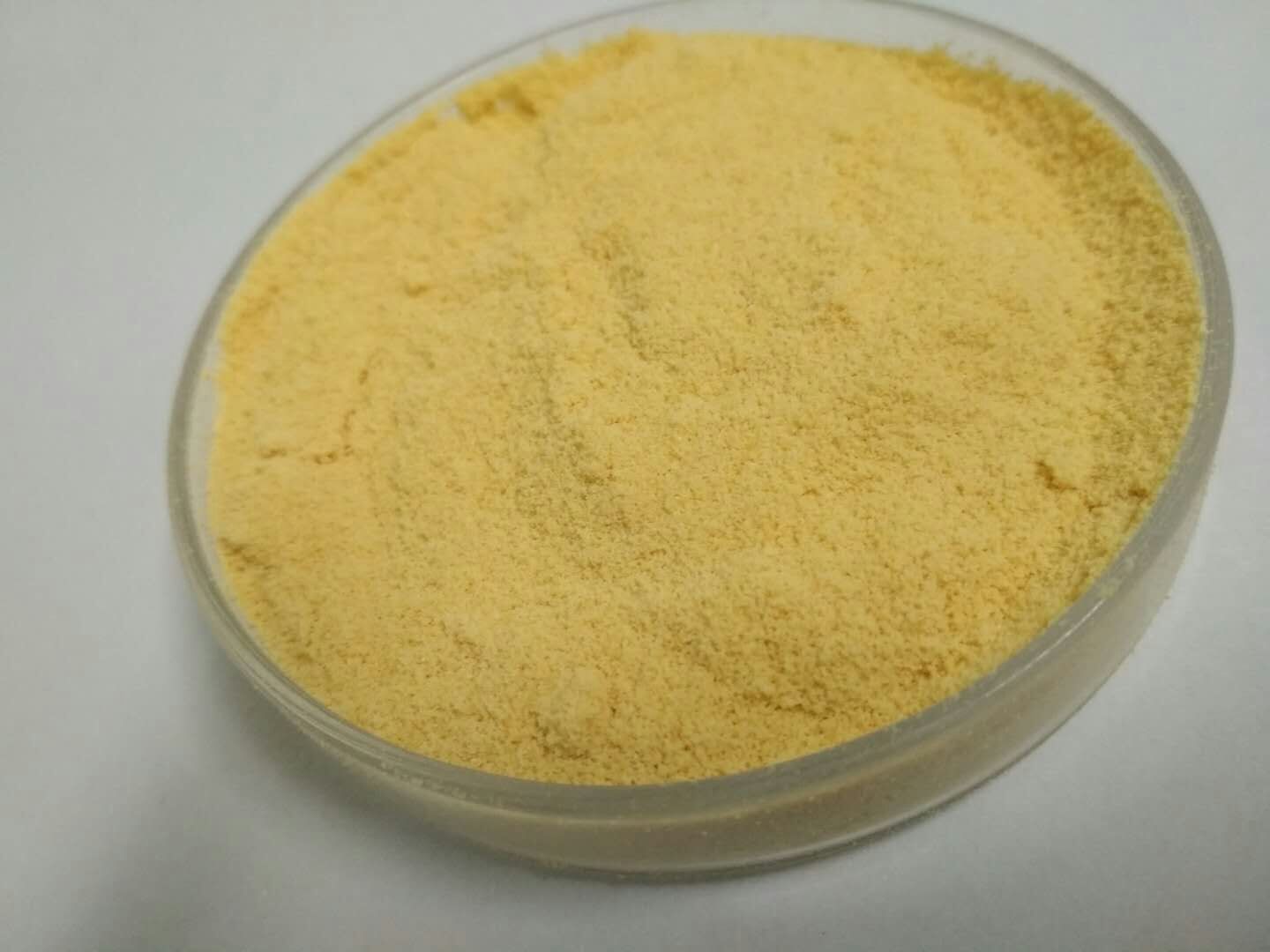
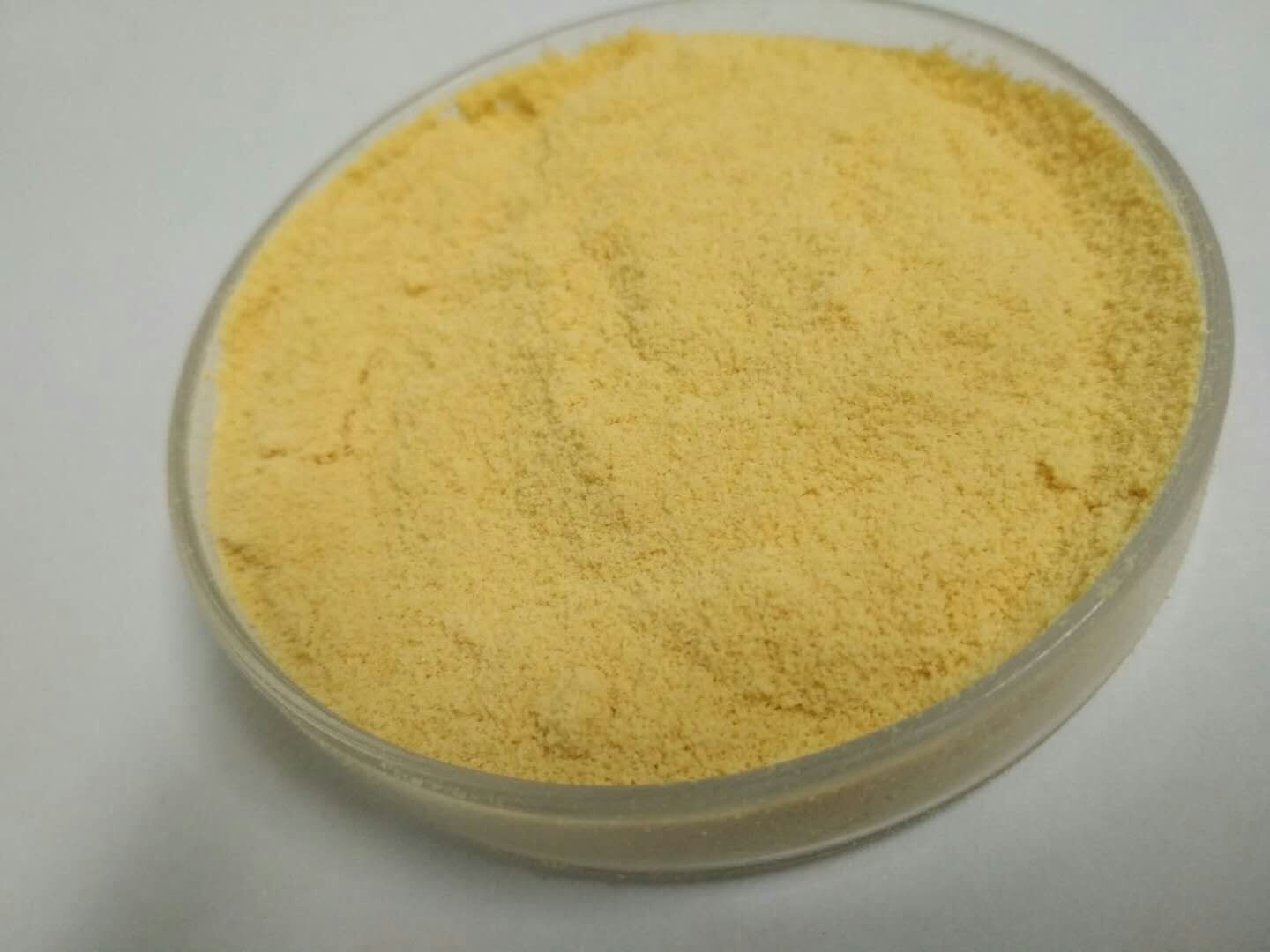
High purity Phospholipid Raw Material
The most critical role of phospholipids in food is as an emulsifier—a substance that enables two immiscible liquids (oil and water) to form a stable, homogeneous mixture (emulsion). This is entirely driven by their amphiphilic structure: Hydrophobic (fat-loving) tails insert into oil droplets, avoiding contact with water. Hydrophilic (water-loving) heads remain exposed to the aqueous phase, surrounding oil droplets with a polar "coat." This coating prevents oil droplets from merging (coalescing) over time, maintaining emulsion stability.
Other supplier products
|
|
High quality Phospholipid Powder |
Phospholipids (e.g., lecithin, phosphatidylcholine) act as natural carriers for fat-soluble compounds, addressing their poor solubility and low abs... |
|
|
Phosphatidylserine Price |
Phosphatidylserine is a kind of phosphatidylserine. Pure phosphatidylserine is a white waxy solid, which can be dissolved in most non-polar solvent... |
|
|
Phosphatidylserine as a valuable supplement |
Phosphatidylserine (PS) exhibits distinct performance advantages across cognitive, physical, and psychological domains, rooted in its core function... |
|
|
High-quality Phospholipid Price |
Phospholipids need to be stored in a sealed environment to prevent oxidation caused by exposure to oxygen in the air, which can lead to a series of... |
|
|
Bulk supply phospholipid |
The melting point of phospholipids can vary based on the length and saturation of the fatty acid chains in their hydrophobic tails. Longer and more... |
All supplier products
Same products