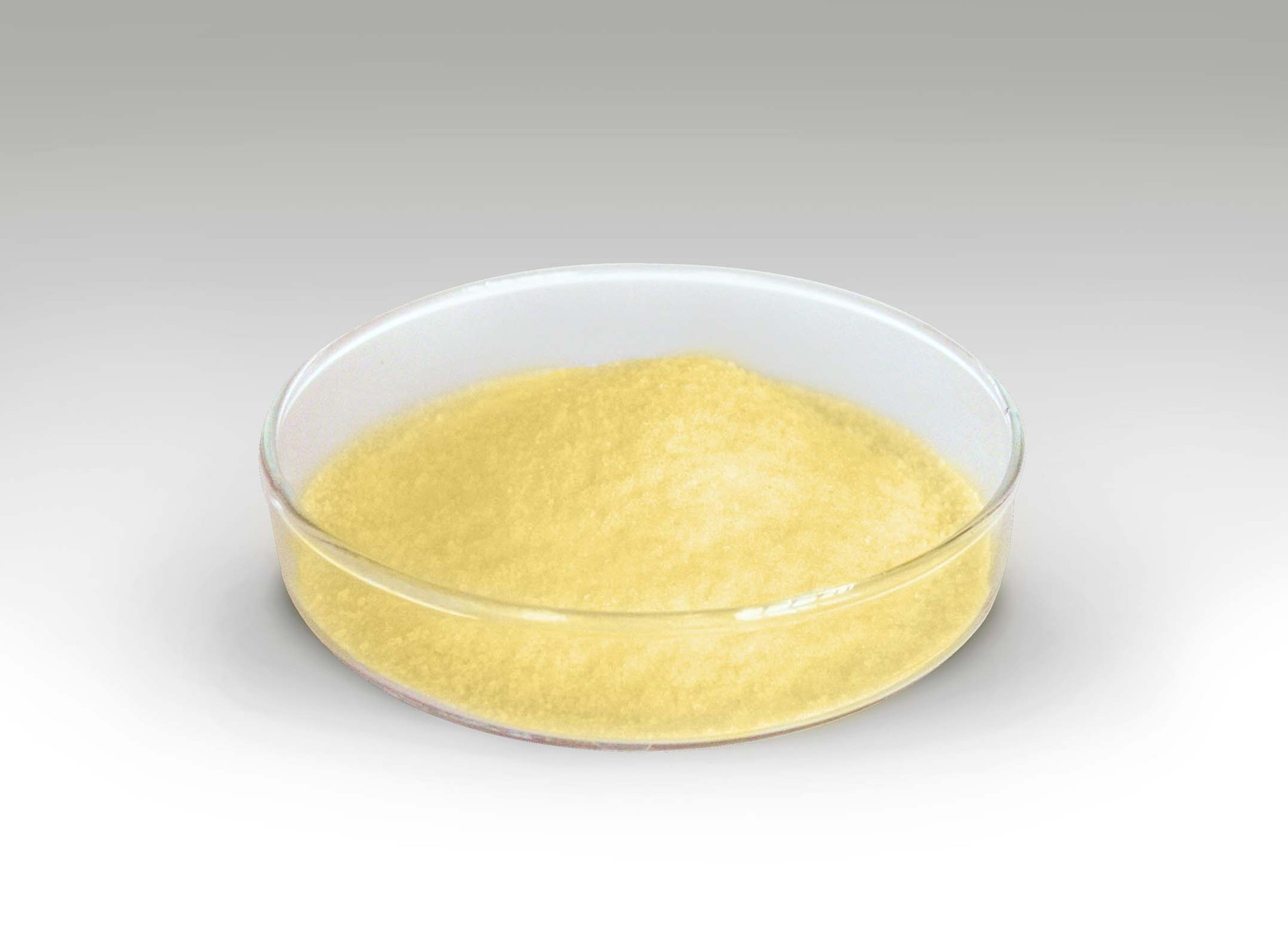
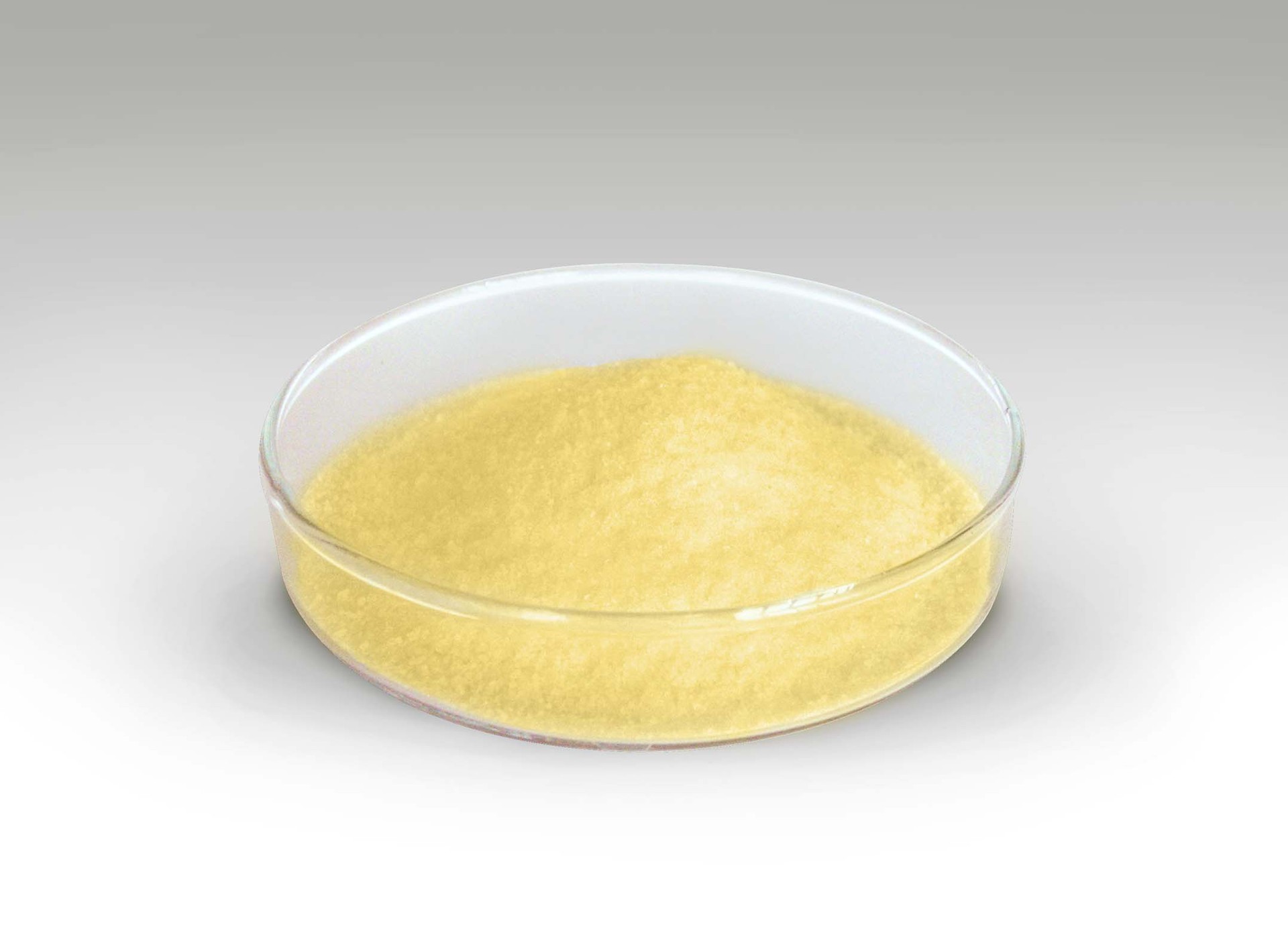
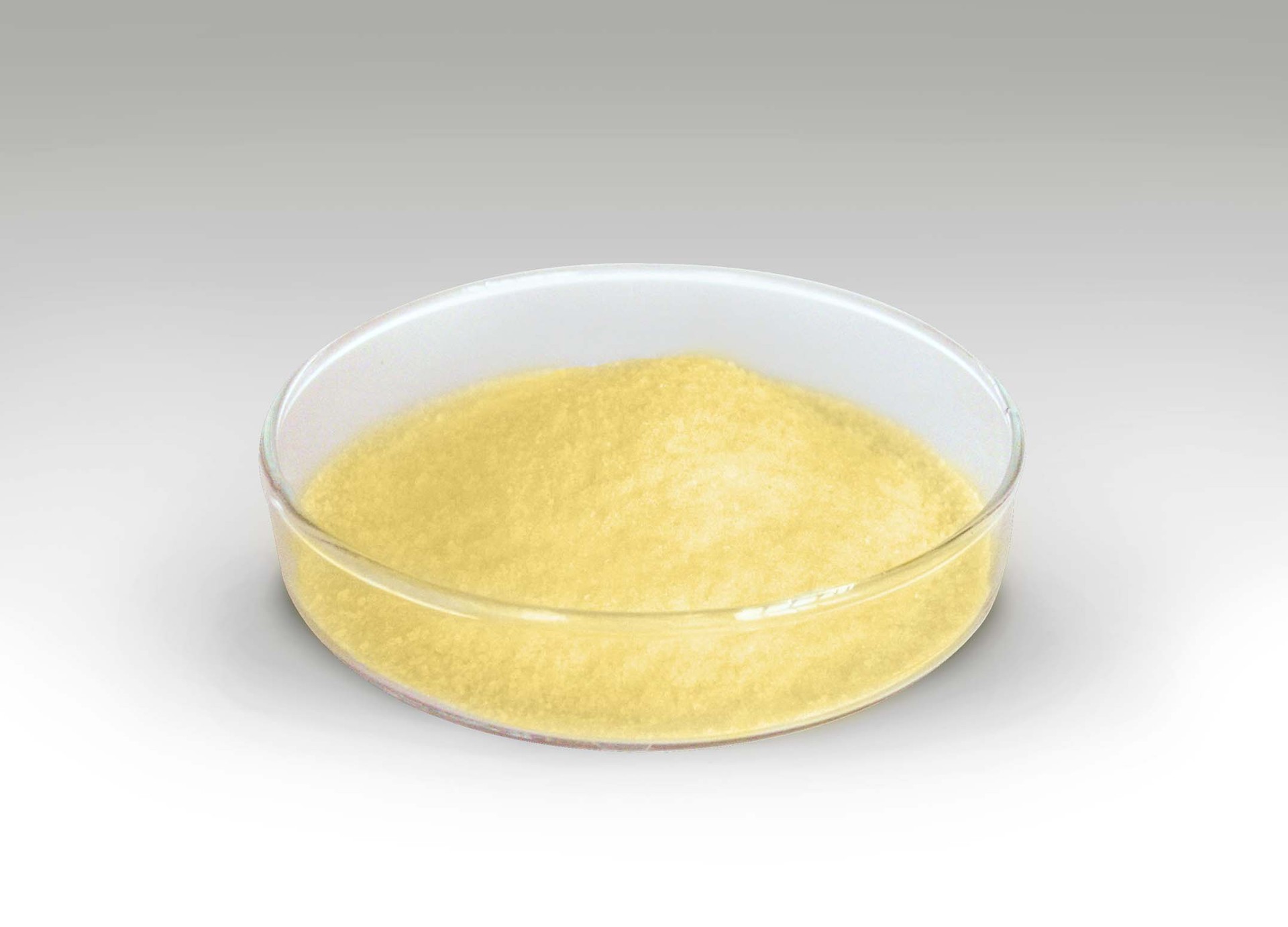
Phospholipid Raw Material
The most critical role of phospholipids in food is as an emulsifier—a substance that enables two immiscible liquids (oil and water) to form a stable, homogeneous mixture (emulsion). This is entirely driven by their amphiphilic structure: Hydrophobic (fat-loving) tails insert into oil droplets, avoiding contact with water. Hydrophilic (water-loving) heads remain exposed to the aqueous phase, surrounding oil droplets with a polar "coat." This coating prevents oil droplets from merging (coalescing) over time, maintaining emulsion stability.
Other supplier products
|
|
Phospholipid powder |
Typical Applications of phospholipids: Chocolate & Confectionery: Chocolate is an oil-in-water emulsion (cocoa butter = oil; sugar/cocoa solids... |
|
|
Phospholipids |
The biological properties of phospholipidsPhospholipids are one of the main components of biological membranes. They are arranged in a bilayer form... |
|
|
main component |
Phosphatidylserine is a ubiquitous and important phospholipid, very rare but with special functions. It is usually located in the inner layer of ce... |
|
|
in functional foods |
Phospholipids, as natural amphiphilic nutrients with unique structural and biological properties, play a dual role in functional foods: they act as... |
|
|
Phospholipids |
The application advantages of phospholipids in the field of feedImproving feed utilization rate: Phospholipids can enhance the palatability of feed... |
供应产品
Same products