

Ethyl Cellulose (EC) Wholesale

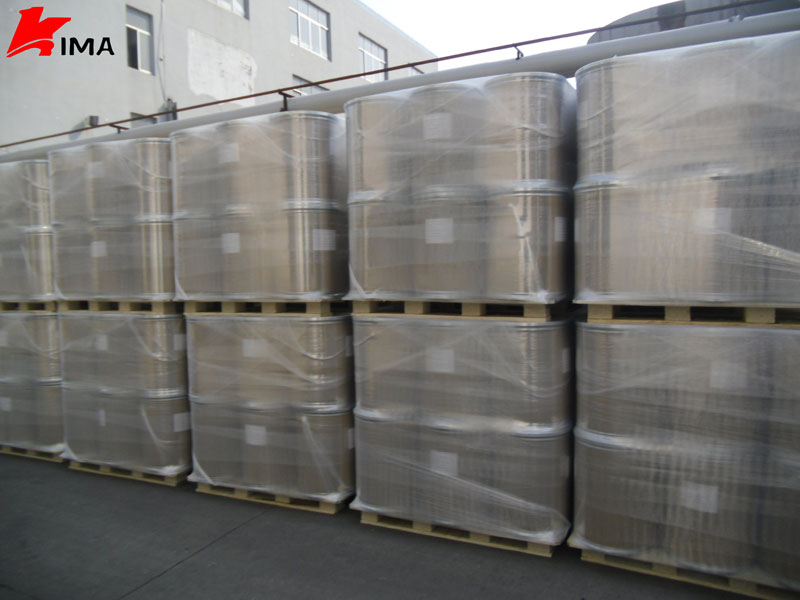
CAS9004 57 3
Ethyl Cellulose (EC), known as the ethyl ether of cellulose, is a cellulose derivative in which ethoxy groups replace the hydroxyl groups, with different molecular weights and viscosities. Ethyl cellulose is white granules or powder, odorless and tasteless; easily soluble in toluene or ether, soluble in dichloromethane, slightly soluble in ethyl acetate and methanol, insoluble in water, glycerol and propylene glycol;Ethyl cellulose is stable, resistant to alkali and salt, and is more sensitive to acid than cellulose ester. In addition, the viscosity of ethyl cellulose solution is related to the concentration and solvent type, and the viscosity of the solution increases with the increase of concentration.
What Is Ethyl Cellulose Made Of?
Carboxymethyl ethyl celluloseis synthesized by reacting cellulose with ethyl chloride in the presence of a catalyst such as sulfuric acid.Here are the general manufacturing process involved in the production of ethyl cellulose:
The cellulose used in the production of ethyl cellulose is usually derived from wood pulp or cotton linter. The cellulose is first purified to remove any impurities or hemicelluloses that may interfere with the reaction.
The purified cellulose is then reacted with ethyl chloride in the presence of a catalyst such as sulfuric acid. The reaction typically takes place in a solvent such as ethanol or methanol, which helps to dissolve the reactants and the catalyst.
Once the reaction is complete, the mixture is neutralized with a base such as sodium hydroxide to remove the catalyst. The resulting product is then washed and dried to remove any remaining solvent.
The degree of substitution (DS) of ethyl cellulose can be adjusted by varying the amount of ethyl chloride used in the reaction. Higher DS values result in a more hydrophobic product that is less soluble in water.
The final product is typically a white, powdery material that can be used in a variety of applications. Ethyl cellulose can be further processed into pellets, beads, or films, or it can be mixed with other materials to form coatings, adhesives, or other products.
If you want to know more about cellulose ether manufacturing process, please visit our website.
在线联系供应商
Other supplier products
 |
HPMC K15 LV | KimaCell®HPMC K15LV Hydroxypropyl methyl cellulose, also known as cellulose hydroxypropyl methyl ether, is prepared from cellulose through ethe... |
 |
CMC HV | KimaCell® CMC HVsodium carboxymethyl cellulose is generally believed that when the degree of substitution is around 0.6-0.7, the emulsifying pe... |
 |
Paint Grade CMC | CMCpaint(Sodium Carboxymethyl Cellulose) is a type of cellulose ether that is commonly used as a thickener, stabilizer, and dispersant in paint for... |
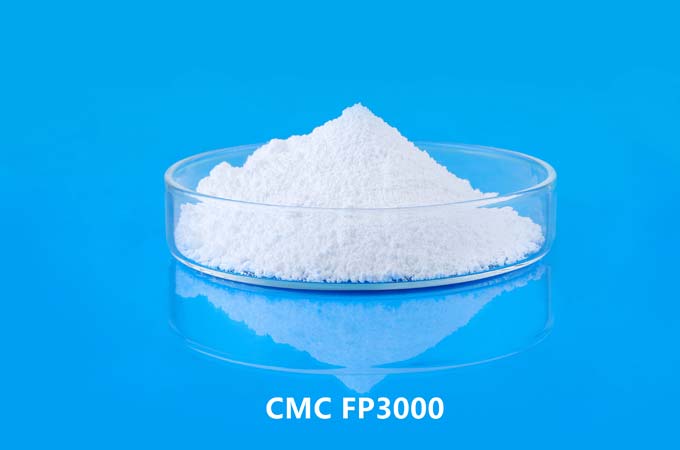 |
CMC FP3000 | KimaCell® CMC FP3000sodium carboxymethyl cellulose's aqueous solution is neutral or alkaline transparent viscous liquid, soluble in other water... |
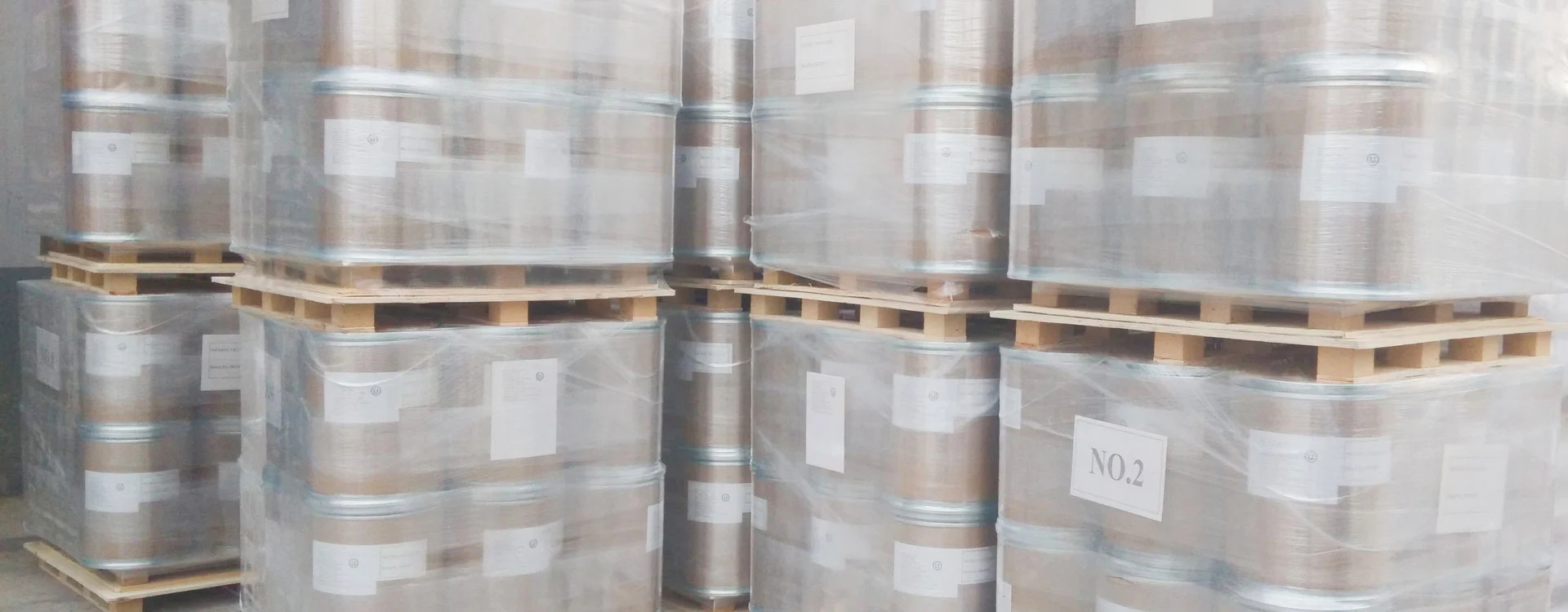 |
Sodium Carboxymethyl Cellulose In Toothpaste Industry | Carboxymethyl cellulose in toothpaste (Sodium Carboxymethyl Cellulose) is cellulose gum that is used as a binder, thickener, and stabilizer in toot... |
Same products
 |
Chemical Products for Industrial Applications | 卖方: 华诺电气有限公司 | Our chemical products are developed for a wide range of industrial applications, including manu... |
 |
NPK 13-5-40+TE Water-soluble Fertilizer | 卖方: Hebei Lvwang Ecological Fertilizer Co., Ltd. | NPK 13-5-40+TE Water-soluble Fertilizer for Vegetables and Fruits NPK 13-5-40+TE water-soluble f... |
 |
China Fertilizer Factory NPK 12-24-12 Compound Fertilizer for Rice | 卖方: Hebei Lvwang Ecological Fertilizer Co., Ltd. | China Fertilizer Factory NPK 12-24-12 Compound Fertilizer for Rice NPK 12-24-12 compound Fertili... |
 |
2-Amino-6-chloropurine 10310-21-1 | 卖方: Xinxiang Ruicheng Technology Co.,Ltd. | 2-Amino-6-chloropurine 10310-21-1 2-Amino-6-chloropurineis a reactive purine compound used as a ... |
 |
Xanthine 69-89-6 | 卖方: Xinxiang Ruicheng Technology Co.,Ltd. | Xanthine 69-89-6 Xanthineis a natural purine base that serves as a key intermediate in purine me... |

