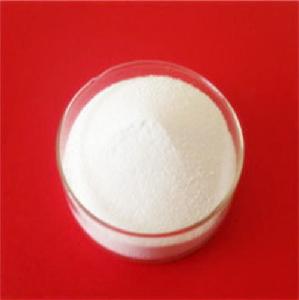
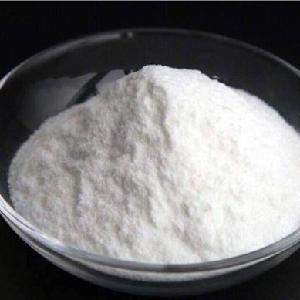
L-methionine

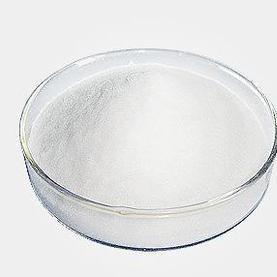
For populations with increased needs (e.g., athletes, vegetarians, malnourished individuals) or those with limited dietary intake, L-methionine is available in specialized products: Dietary Supplements: L-methionine is sold as a standalone supplement (capsules, tablets, or powder) with typical dosages ranging from 500mg to 1g per serving. It is also a key component of branched-chain amino acid (BCAA) blends, protein powders (whey, plant-based), and multivitamin/mineral supplements. Fortified Foods: To address amino acid deficiencies, L-methionine is added to fortified foods such as infant formulas (to meet the essential amino acid requirements of infants), meal replacement shakes, plant-based meat alternatives (e.g., soy-based burgers), and fortified cereals. For example, infant formulas contain 20–30mg of L-methionine per 100kcal to support growth and development. Animal Feed Additives: Industrial-grade L-methionine (or DL-methionine) is a critical feed additive for poultry, swine, and aquatic animals (e.g., fish, shrimp). These animals have limited ability to synthesize methionine, so supplementation improves growth performance, feed conversion efficiency, and lean meat percentage. Feed-grade methionine is typically supplied as a dry powder or granular product, with addition levels ranging from 0.1% to 0.3% of the diet.
Other supplier products
|
|
N-Acetyl-L-Cysteine |
N-Acetyl-L-Cysteine is a derivative of the amino acid L-cysteine and serves as a precursor to glutathione, a powerful antioxidant. NAC has a wide r... |
|
|
L-tryptophan |
L-tryptophan, an essential amino acid that the human body cannot synthesize on its own and must obtain from the diet, plays important roles in food... |
|
|
DL-Alanine |
DL-Alanine is not a direct, primary food preservative like traditional preservatives (e.g., Nisin, sodium benzoate, potassium sorbate) whose core f... |
|
|
Transport method of Inositol |
Transport Method of Inositol 1. Basic transport properties Inositol is a stable, non-toxic, non-flammable and non-explosive white crystalline powde... |
|
|
L-Cysteine hydrochloride monohydrate |
Environmental ConditionsTemperature ControlStore at Room Temperature: Ideally between 15–25°C (59–77°F). Avoid extreme heat or ... |
供应产品
Same products
|
|
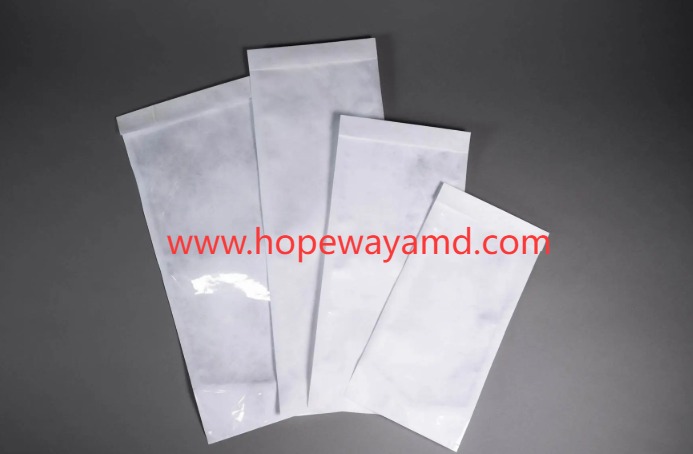
Heat Sealing Sterilization Pouch |
卖方: Hopeway AMD |
Heat Sealing Sterilization Pouch is designed for secure medical instrument packaging, supporting ... |
|
|
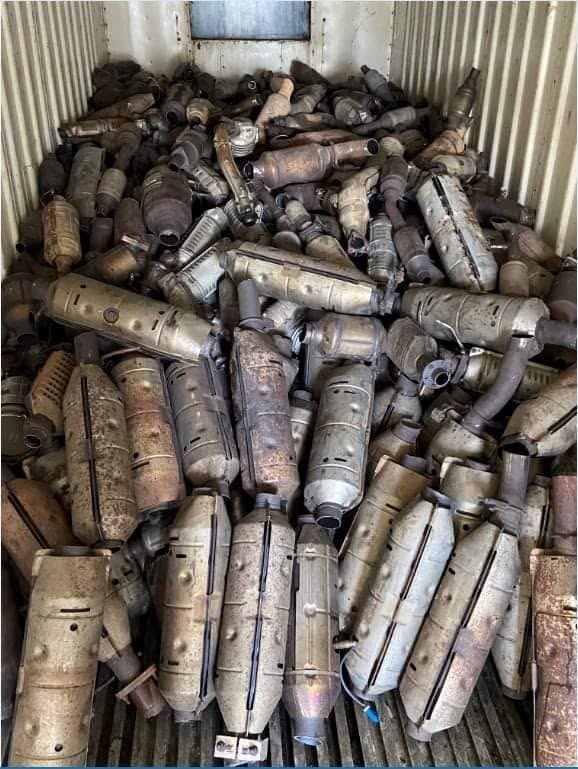
Catalytic Converter Scrap Supplier, Catalytic Converter Scrap for Sale, , Catalytic Converter Scrap, Catalytic Scrap for Sale, Catalytic Scrap Supplier, Scrap Catalytic Supplier |
卖方: Trucont LLC |
Trucont LLC 持续供应催化转化器废料,可立即装运发货。我们为全球各地的回收公司、金属加工商、汽车回收商、废料贸易商和买家提供优质的催化转化器废料。我们的催化转化器废料经过精心收集、分类... |
|
|
Epimedium Extract |
卖方: Fruit Powder,Vegetable Powder |
Product Name: Epimedium ExtractLatin Name: Epimedium Sagittatum Maxim.Specification: Icariin 5%, ... |
|
|
Pumpkin Powder |
卖方: Fruit Powder,Vegetable Powder |
Product Name: Pumpkin PowderLatin Name: Cucurbita pepo L.Used Part: FruitAppearance: yellow fine ... |
|
|
Broccoli Powder |
卖方: Fruit Powder,Vegetable Powder |
Product Name: Broccoli powder
Latin Name: Brassica oleracea L.var.italic Planch.
Used Part: Who... |