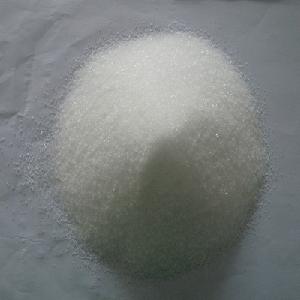
L-Cysteine hydrochloride monohydrate

Environmental Conditions
Temperature Control
Store at Room Temperature: Ideally between 15–25°C (59–77°F). Avoid extreme heat or cold, as temperature fluctuations can accelerate degradation or cause moisture condensation.
Cool Storage (If Required): For high-purity or pharmaceutical-grade products, storage at 2–8°C (refrigerated) may be recommended to extend shelf life, especially in tropical climates.
Moisture Protection
Hygroscopic Nature: The compound readily absorbs water from the air, leading to clumping or degradation of the thiol group (-SH).
Airtight Containers: Use sealed containers made of glass, metal, or high-density polyethylene (HDPE) to prevent moisture ingress.
Desiccants: Include silica gel packets or other desiccants inside the container to absorb residual moisture.
Light and Oxygen Avoidance
Dark Environment: Store in a light-proof container or a shaded area, as prolonged exposure to direct sunlight or UV light can promote oxidation of the thiol group.
Oxygen Barriers: For sensitive applications, containers may be flushed with inert gas (e.g., nitrogen) to minimize oxidation risks.
Other supplier products
|
|
DL-Methionine |
Optical Activity of DL-MethionineAs a racemic mixture, DL-methionine isoptically inactive, with a specific optical rotation of[α]_D^25=0°... |
|
|
Inositol 87-89-8 |
Inositol, also known as myo-inositol, is a six‑hydroxy cyclohexane derivative, traditionally classified as vitamin B8. It is a water‑soluble, vitam... |
|
|
L-tryptophan |
L-tryptophan’s stability is influenced by food processing conditions, requiring careful handling: Sensitivity to heat and light: High-tempera... |
|
|
DL-Alanine |
DL-Alanine is generally recognized as safe (GRAS) by regulatory bodies like the U.S. Food and Drug Administration (FDA) and the European Food Safet... |
|
|
DL-Alanine |
While DL-Alanine is not a direct preservative like Nisin or sodium benzoate, it can indirectly extend food shelf life byregulating the microbial gr... |
供应产品
Same products