

Nisin

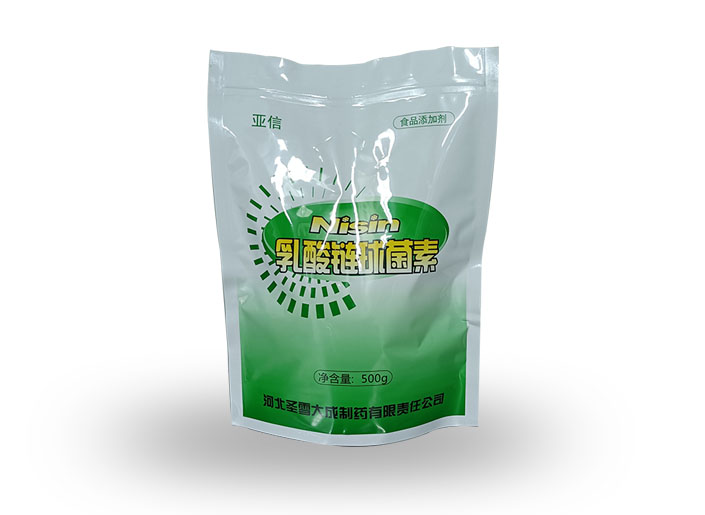
One of the benefits of using nisin as a preservative is that it is a natural and safe alternative to synthetic preservatives. Synthetic preservatives, such as sodium benzoate and potassium sorbate, have been linked to a range of health concerns, including allergic reactions and even cancer. Nisin, on the other hand, is a naturally occurring substance that is produced by bacteria that are commonly found in the human digestive tract. It has been extensively studied for its safety and efficacy, and is generally regarded as safe for human consumption.
Nisin works by disrupting the cell membrane of bacteria, causing them to leak and ultimately leading to their death. Unlike many antibiotics, which target specific types of bacteria, nisin is effective against a broad range of gram-positive bacteria. This makes it a versatile and effective antimicrobial agent that can be used in a wide range of food and non-food products.
The production of nisin typically involves the fermentation of a starter culture of Lactococcus lactis. The bacteria produce nisin as a byproduct of their normal metabolic processes, and the peptide can be extracted and purified from the fermentation broth. Nisin is then typically added to food products at a concentration of 0.025-2.5 mg/kg, depending on the product and the desired level of preservation.
In addition to its use as a preservative, nisin has also been studied for its potential health benefits. Some studies have suggested that nisin may have anti-inflammatory and immune-modulating effects, and may be useful in the treatment of conditions such as inflammatory bowel disease and rheumatoid arthritis. However, more research is needed to fully understand the potential health benefits of nisin and its mechanisms of action.
Despite its generally recognized safety, there are some potential risks associated with the use of nisin. Some studies have suggested that high doses of nisin may cause gastrointestinal upset, and there have been reports of allergic reactions to nisin in some individuals. Additionally, the overuse of nisin or other preservatives can contribute to the development of antibiotic-resistant bacteria, which can pose a serious public health threat.
在线联系供应商
Other supplier products
 |
Nisin 25kg Supply price | Advantages and Limitations Of Nisin Advantages: Natural origin (consumer-friendly), broad activity against harmful gram-positive bacteria, safe for... |
 |
Nisin Powder quotation | Nisin exhibits good stability under acidic conditions and moderate heat treatment, with its efficacy modulated by food matrix components. Its usage... |
 |
Nisin 1kg | Nisin is a natural antimicrobial peptide produced by certain strains of lactic acid bacteria, particularly Lactococcus lactis. It is widely used as... |
 |
Nisin | Safety ·Non-toxic and Safe: Nisin is a safe, non-toxic, and highly effective natural preservative. Once ingested, it is easily broken down b... |
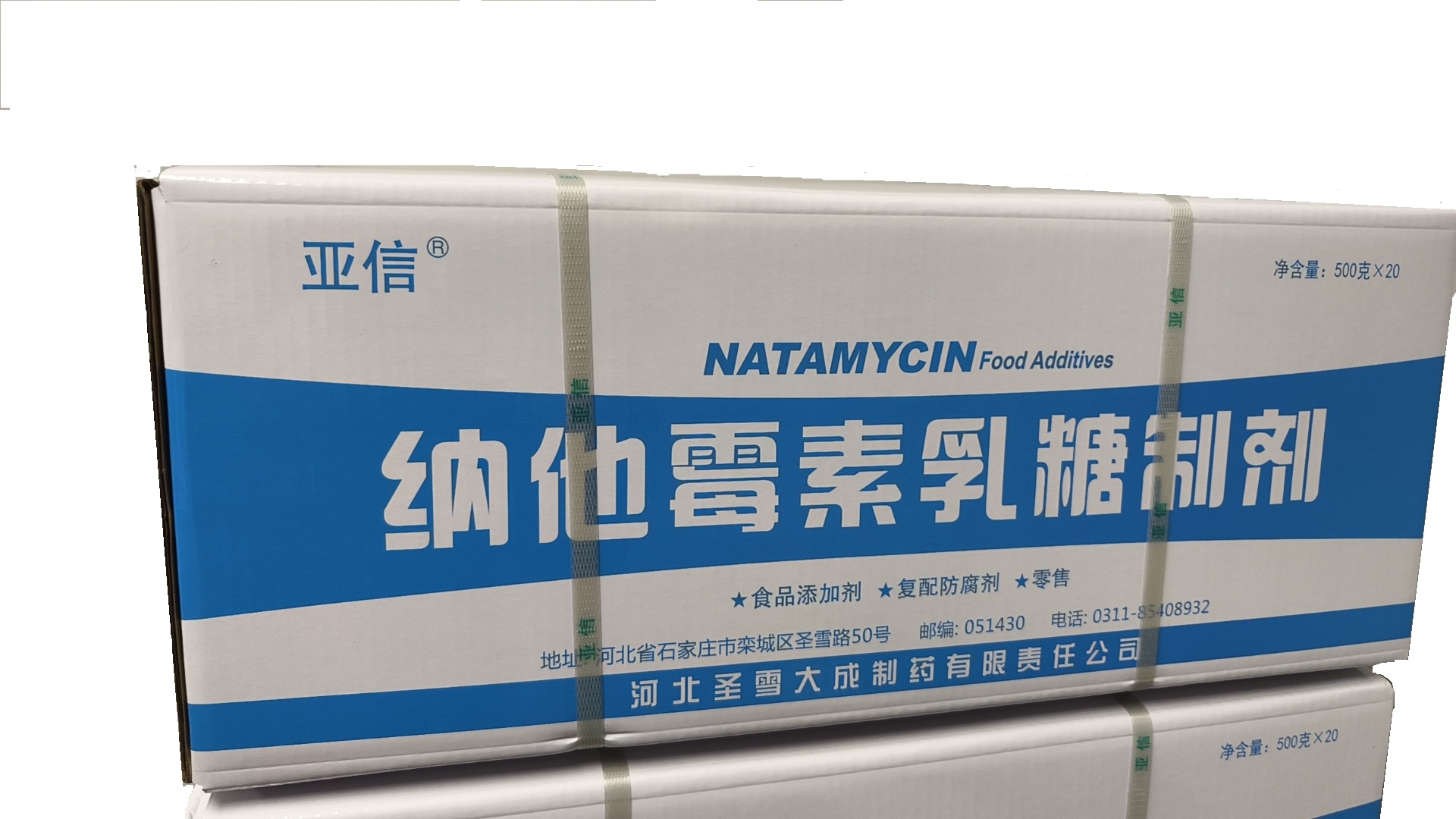 |
Natamycin 7681-93-8 | The application fields of natamycin1. Food industryAnti-corrosion and preservation: As a natural preservative, it is widely used in foods such as c... |
Same products
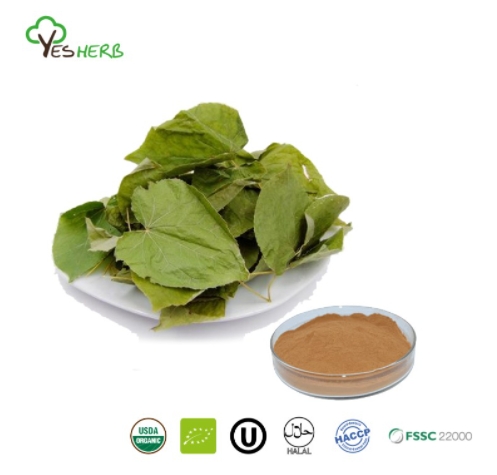 |
Epimedium Extract | 卖方: Fruit Powder,Vegetable Powder | Product Name: Epimedium ExtractLatin Name: Epimedium Sagittatum Maxim.Specification: Icariin 5%, ... |
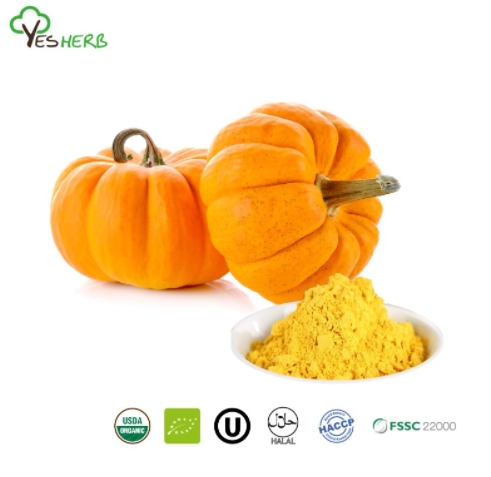 |
Pumpkin Powder | 卖方: Fruit Powder,Vegetable Powder | Product Name: Pumpkin PowderLatin Name: Cucurbita pepo L.Used Part: FruitAppearance: yellow fine ... |
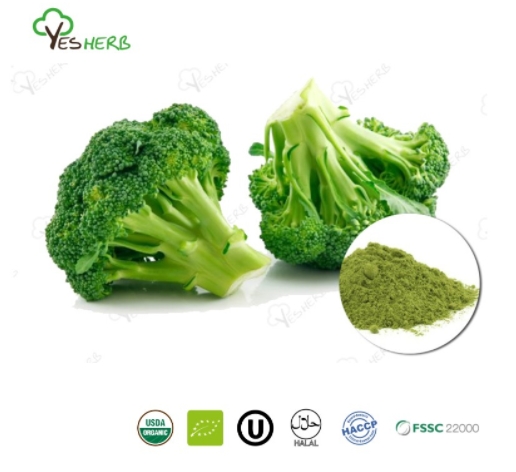 |
Broccoli Powder | 卖方: Fruit Powder,Vegetable Powder | Product Name: Broccoli powder Latin Name: Brassica oleracea L.var.italic Planch. Used Part: Who... |
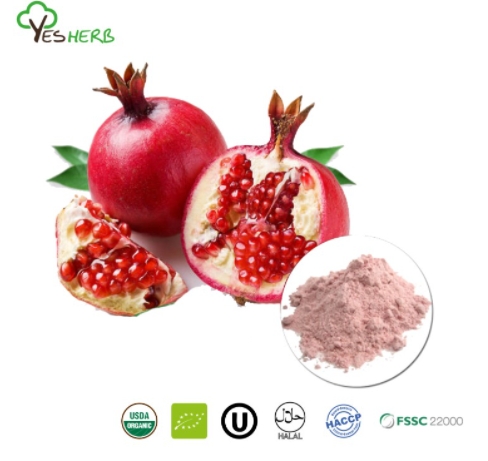 |
Pomegranate Powder | 卖方: Fruit Powder,Vegetable Powder | Product Name: Pomegranate PowderLatin Name: Punica granatum linn.Used Part: Fruit juiceAppearance... |
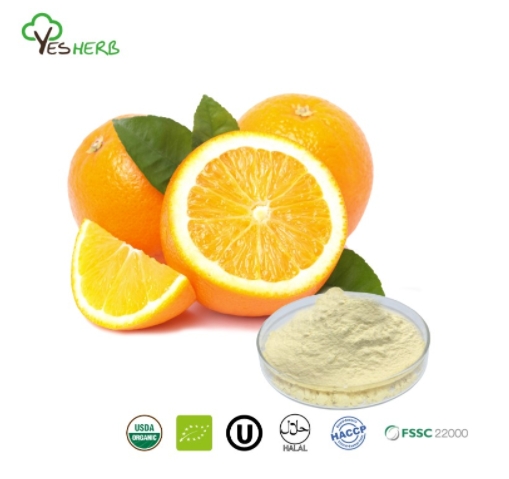 |
Orange Powder | 卖方: Fruit Powder,Vegetable Powder | Product Name: Orange PowderLatin Name: Citrus sinensisUsed Part: Fruit juiceAppearance: Light yel... |

