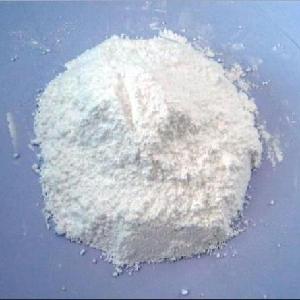
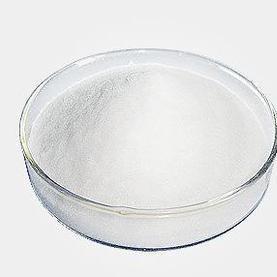
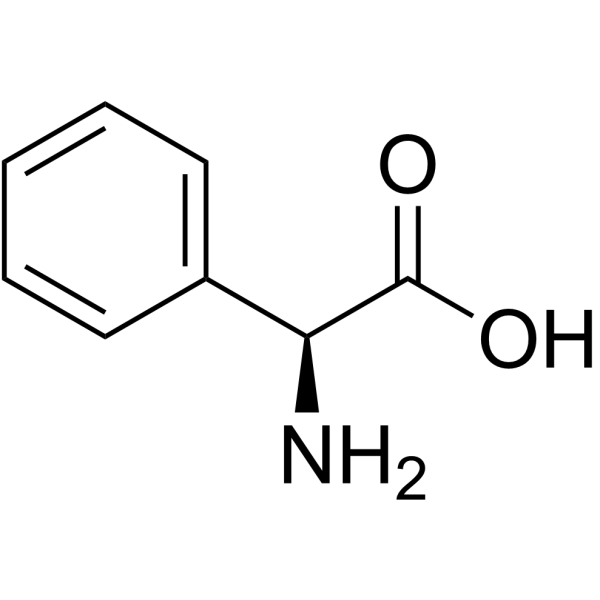
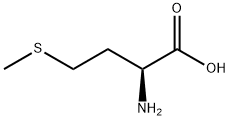
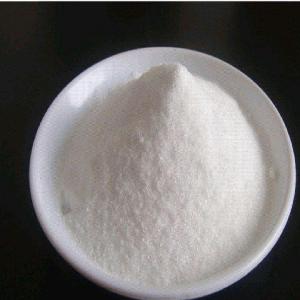
L-Cysteine hydrochloride monohydrate
Special Considerations for Different Grades
1. Food/G pharmaceutical Grade
Compliance with Regulations: Store in facilities that meet food safety standards (e.g., FDA, USDA) or pharmaceutical GMP requirements, including temperature and humidity monitoring systems.
Separation from Contaminants: Keep away from strong odors, chemicals, or toxic substances to prevent cross-contamination.
2. Industrial/Research Grade
Labeling for Hazard Groups: While generally low-risk, clearly label containers with appropriate hazard warnings (e.g., “Hygroscopic”) for laboratory or industrial use.
Other supplier products
|
|
Specific Application Fields of Inositol |
Specific Application Fields of Inositol 1. Food and Functional Nutrition Industry As a natural nutritional fortifier and vitamin B-group substance,... |
|
|
L-proline |
During the transportation process of L-proline, its physical and chemical properties need to be comprehensively considered to ensure safe and effic... |
|
|
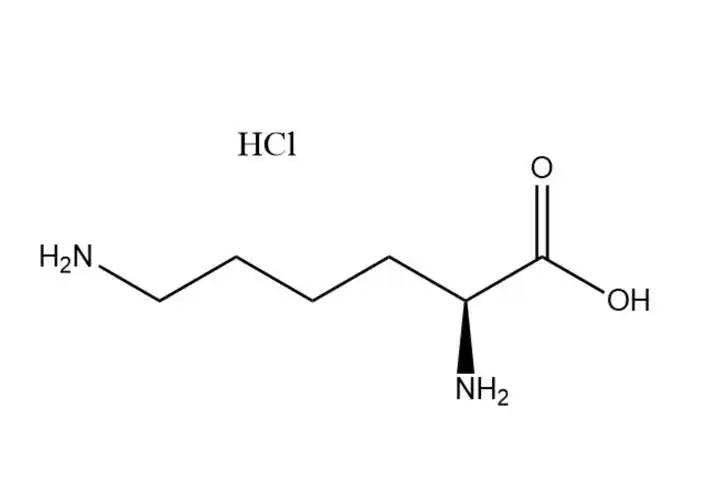
L-Lysine monohydrochloride |
Density and Refractive Index of L-Lysine monohydrochlorideBulk density: 0.6–0.8 g/cm³ (crystalline powder); tap density: 0.8–1.0 g... |
|
|
DL-methionine |
The chemical stability of DL-methionine is affected by factors such as pH, temperature, light, and oxidants, which directly determine its storage c... |
|
|
Sucralose |
Thermal properties of SucraloseMelting point / Decomposition point: Approximately 125°C (decomposition temperature), some testing methods give ... |
供应产品
Same products