Heat Resistance of Nisin
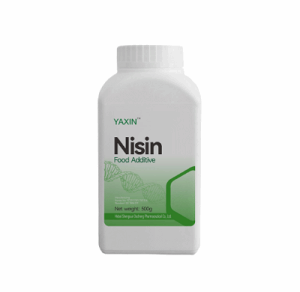
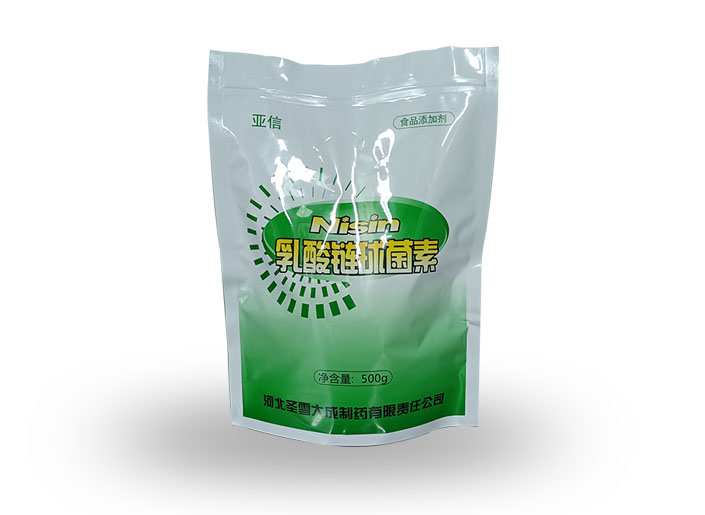
Heat Resistance of Nisin Nisin possesses excellent heat stability, a critical advantage for high-temperature processed foods. It retains over 80% of activity after autoclaving at 121℃ for 15–30 minutes, and over 90% after pasteurization (72–85℃ for 15–30 seconds). This stability is attributed to its unique lanthionine and methyllanthionine cross-links, which enhance peptide chain rigidity. However, prolonged exposure to ultra-high temperatures (>130℃) or combination with reducing substances (e.g., mercaptoethanol) can disrupt its cross-linked structure, resulting in activity degradation. In practical applications, Nisin is often added after high-temperature processing or during the cooling phase to maximize activity retention, especially in canned foods and sterilized dairy products.
Other supplier products
|
|
Chlortetracycline Premix |
Uses of Chlortetracycline Premix ·Livestock and poultry health: Chlortetracycline Premix is widely used in the field of livestock and poultr... |
|
|
Nisin |
Safety ·Non-toxic and Safe: Nisin is a safe, non-toxic, and highly effective natural preservative. Once ingested, it is easily broken down b... |
|
|
Nisin Powder |
Limited Water Solubility:Nisin is poorly soluble in water at neutral pH but dissolves more readily in acidic solutions (pH < 5) due to protonati... |
|
|
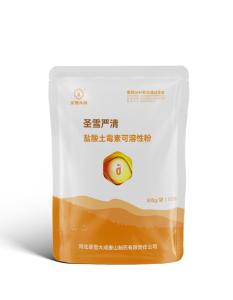
Oxytetracycline Hydrochloride Soluble Powder 50% 500g |
Generic name: Oxytetracycline Hydrochloride Soluble PowderMain ingredient: Oxytetracycline HydrochlorideDescription: The product is a light yellow ... |
|
|
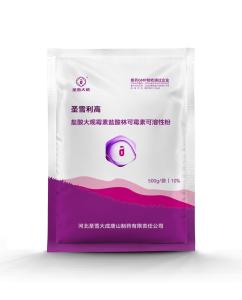
Spectinomycin Hydrochloride and Lincomycin Hydrochloride Soluble Powder 10% 200g |
Product Name: Spectinomycin Hydrochloride and Lincomycin Hydrochloride Soluble PowderMain Ingredients: Spectinomycin Hydrochloride, Lincomycin Hydr... |
供应产品
Same products