Heat Resistance of Nisin
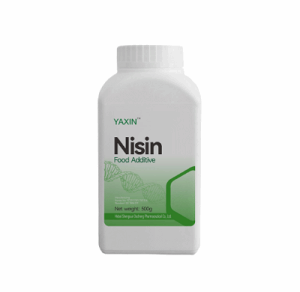
Heat Resistance of Nisin Nisin possesses excellent heat stability, a critical advantage for high-temperature processed foods. It retains over 80% of activity after autoclaving at 121℃ for 15–30 minutes, and over 90% after pasteurization (72–85℃ for 15–30 seconds). This stability is attributed to its unique lanthionine and methyllanthionine cross-links, which enhance peptide chain rigidity. However, prolonged exposure to ultra-high temperatures (>130℃) or combination with reducing substances (e.g., mercaptoethanol) can disrupt its cross-linked structure, resulting in activity degradation. In practical applications, Nisin is often added after high-temperature processing or during the cooling phase to maximize activity retention, especially in canned foods and sterilized dairy products.
Другие товары поставщика
|
|
Nisin 500g/1Kg/25Kg |
Nisin, also known as lactococcin or transliterated as "Nisin," is a widely used natural antimicrobial peptide. Below is a detailed product introduc... |
|
|
Nisin |
Nisin is a natural antimicrobial peptide produced by the bacterium Lactococcus lactis.It has potent antimicrobial properties, particularly against ... |
|
|
Nisin Powder Supplier |
Advantages in Food ApplicationsNatural Origin: Derived from bacteria, it aligns with consumer demand for "clean label" ingredients, avoiding synthe... |
|
|
Nisin Raw Material |
Oral health is closely linked to systemic health, and oral infections (e.g., dental caries, periodontitis) are often caused by Gram-positive pathog... |
|
|
Natamycin 7681-93-8 |
The action mechanism of natamycin is mainly through the specific binding with ergosterol on the fungal cell membrane, destroying the structure and ... |
Все товары поставщика
Похожие товары