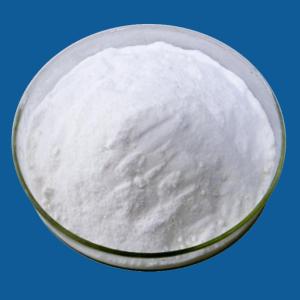
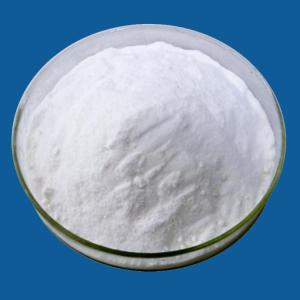
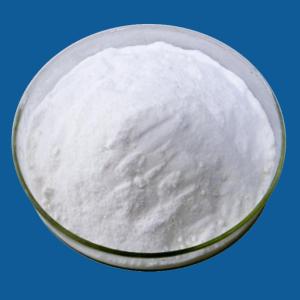
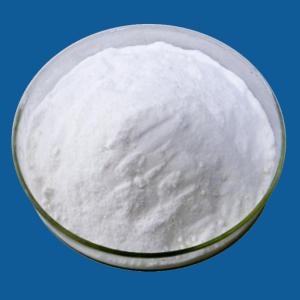
Glycylglycine
Interaction with Transition Metals: Glycylglycine's interaction with transition metals plays a crucial role in many areas of biotechnology and pharmaceutical chemistry. Transition metal ions perform vital physiological functions in the body, such as participating in enzymatic catalytic reactions and maintaining the structure and function of biological macromolecules. Glycylglycine can coordinate with transition metal ions, forming stable complexes that regulate the bioactivity and toxicity of these ions. This provides new approaches and methods for drug development and biotechnology applications.
Other supplier products
|
|
Glycylglycine |
As a simple dipeptide composed of two glycine molecules, glycylglycine (Gly-Gly) plays a critical role in peptide synthesis, stability, and bioacti... |
|
|
Glycyl-glycyl-glycine |
Toxicological safety evaluation of Glycyl-glycyl-glycineAcute toxicity is extremely low: Animal experiments (such as oral ingestion in rats) have s... |
|
|
High quality Phospho-L-Tyrosine Disodium Salt |
Phospho-L-Tyrosine Disodium Salt is a biologically active phosphorylated derivative of L-tyrosine, with core applications centered on biochemical r... |
|
|
DL-tryptophan Powder |
DL-tryptophan, like other amino acids, is sensitive to environmental factors such as light, heat, moisture, and oxygen, which can affect its stabil... |
|
|
Trans-4-[(tert-butoxycarbonyl)amino] cyclohexanecarboxylic acid |
1. Basic Information Product Name: Trans-4-[(tert-butoxycarbonyl)amino] cyclohexanecarboxylic acid CAS Number: 53292-89-0 Aliases: Cis-4-(tert-Buto... |
供应产品
Same products





![Trans-4-[(tert-butoxycarbonyl)amino] cyclohexanecarboxylic acid](/images/products/products_946819_f222fcf9d56af71253e99fe06ba063ba.jpeg)