

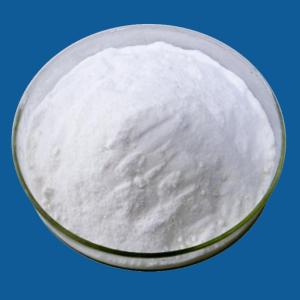
L-Cystine dihydrochloride

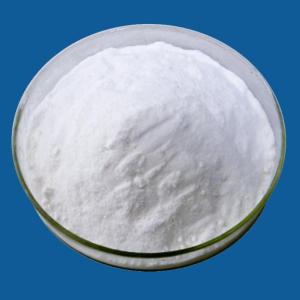
L‑Cystine dihydrochloride is a pharmaceutical‑grade and cell‑culture‑grade amino acid derivative, widely used in biomanufacturing, cell culture, parenteral nutrition, and laboratory research. Its safety profile is well‑documented, with risks mainly related to its strong acidity and handling hazards, not systemic toxicity.
1. Acute Toxicity
- Low acute oral toxicity: LD₅₀ (oral, rat) is very high, generally > 2000 mg/kg, indicating low acute toxicity.
- Normal exposure during industrial or laboratory use does not cause acute poisoning.
2. Irritation Hazards (Main Safety Risk)
Because it is a strongly acidic hydrochloride salt (1% solution pH ≈ 1.0–2.0):
- Skin irritation: May cause redness, dryness, or burning on prolonged contact.
- Eye irritation: Significant irritant; can cause pain, conjunctival inflammation, or corneal damage if splashed.
- Respiratory irritation: Inhalation of dust may irritate the nose, throat, and respiratory tract.
- Gastrointestinal irritation: Ingestion of concentrated material may cause nausea, vomiting, or abdominal discomfort.
3. Sensitization
- No known skin sensitization effects.
- Not classified as a respiratory sensitizer.
4. Chronic & Reproductive Toxicity
- No evidence of carcinogenicity, mutagenicity, or reproductive toxicity under normal use.
- Widely used in cell culture, biopharmaceutical production, and human nutrition with a long safe history.
5. Environmental Safety
- Readily biodegradable in water and soil.
- Non‑bioaccumulative.
- No harmful effects on aquatic organisms at low concentrations.
- Does not persist in the environment.
6. Safe Handling Recommendations
- Wear gloves, safety goggles, and a dust mask when handling powder.
- Avoid breathing dust or contact with eyes/skin.
- In case of eye contact: rinse immediately with plenty of water for 15+ minutes.
- In case of skin contact: wash with soap and water.
- Store in a cool, dry, well‑ventilated area, away from strong bases.
7. Regulatory Status
- Generally recognized as safe for use in cell culture media, bioprocessing, and pharmaceutical formulations.
- Compliant with EP, USP, and biological safety standards.
在线联系供应商
Other supplier products
 |
L-Alanyl-L-Tyrosine | Product Name: L-Alanyl-L-Tyrosine CAS Number: 3061-88-9 Molecular formula: C12H16N2O4 Molecular weight: 252.27 EINECS number: 221-305-7 Appearance:... |
 |
L-Aspartic acid monosodium salt monohydrate | While L-Aspartic acid monosodium salt monohydrate is generally recognized as safe (GRAS) by global regulatory bodies (e.g., FDA in the U.S., EFSA i... |
 |
L-Aspartic acid monosodium salt monohydrate | This is the most widespread application of L-Aspartic acid monosodium salt monohydrate. It acts as a flavor enhancer and taste balancer, working a... |
 |
Glycyl-glycine | Glycyl-glycine in Pediatric and Geriatric Nutrition In specialized nutritional products for vulnerable groups: For infants or children with immatur... |
 |
N-Acetyl-L-Tryptophan Supplier | N‑Acetyl‑L‑Tryptophan as Regulatory Status (Summary)China: Approved as a food additive (flavor enhancer) and nutrient fortifier (GB 2760, GB 14880)... |
Same products
 |
L-Cystine dihydrochloride in Laboratory & Chemical Industry | 卖方: 846340 | L-Cystine dihydrochloride in Laboratory & Chemical Industry Biochemical research reagent Used... |
 |
L-Cystine dihydrochloride in Animal Feed Industry | 卖方: 846340 | L-Cystine dihydrochloride in Animal Feed IndustryFeed nutritional additivePromotes growth of live... |
 |
L-Cystine dihydrochloride | 卖方: 846340 | L-Cystine dihydrochloride in Cosmetics & Personal Care IndustrySkin conditioning and anti-agi... |
 |
L-Cystine dihydrochloride | 卖方: 846340 | L-Cystine dihydrochloride in Food & Health Products IndustryFood nutritional fortifierAdded t... |
 |
L-Cystine dihydrochloride | 卖方: 846340 | L-Cystine dihydrochloride in Cell Culture & Biomanufacturing Industry Essential additive in c... |

