

IS MAGNESIUM A STRONG METAL?

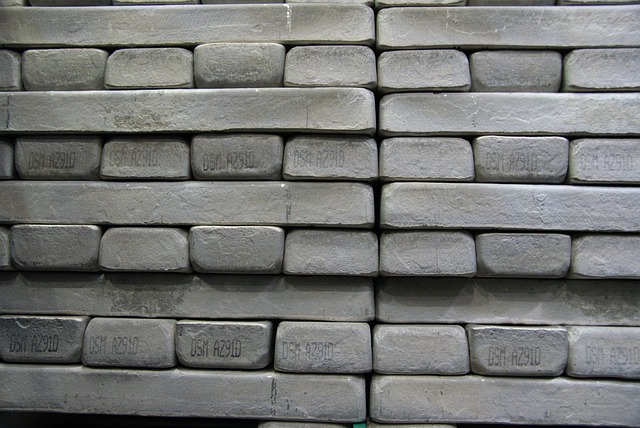
Magnesium is a metallic element that is known for its lightweight and high strength-to-weight ratio. It is commonly used in a variety of applications, from aerospace to automotive industries. One question that often arises is whether magnesium is a strong metal. In this blog post, we will explore the properties of magnesium and determine whether it can be considered a strong metal.
What is a strong metal?
Before we can determine whether magnesium is a strong metal, we first need to understand what makes a metal strong. In general, a strong metal is one that is able to withstand large amounts of stress without deforming or breaking. The strength of a metal is typically measured in terms of its tensile strength, which is the amount of stress a material can withstand before it breaks.
Properties of Magnesium metal
Magnesium is a lightweight and highly reactive silvery-white metal that is the eighth most abundant element in the Earth's crust. It is commonly found in minerals such as dolomite and magnesite. Magnesium is known for its high strength-to-weight ratio, making it an ideal material for applications where weight is a critical factor.
In terms of its mechanical properties, magnesium has a relatively high tensile strength that ranges from 110-185 MPa (MegaPascals). This indicates its ability to withstand large amounts of stress without deforming or breaking. However, magnesium is also quite ductile, meaning that it can be easily deformed or shaped.
While magnesium can be considered a strong metal based on its tensile strength, its strength can vary depending on the alloy composition and processing methods used. Adding small amounts of other elements such as aluminum or zinc can significantly increase the strength of magnesium metal alloy. Additionally, the processing method used to produce the magnesium can also impact its strength.
Another important property of magnesium is its high reactivity. It can easily ignite spontaneously in air, making it a valuable material for pyrotechnics and flares. However, this also means that magnesium can corrode easily and requires special handling to prevent it from reacting with moisture or other chemicals.
In terms of its thermal and electrical conductivity, magnesium is a relatively good conductor, although not as good as some other metals such as copper or silver. It also has a relatively low melting point of 650°C, making it easy to cast and shape.
In summary, magnesium materialhas a number of unique properties that make it a valuable material for a wide range of applications. Its high strength-to-weight ratio, low density, and good conductivity make it an ideal material for use in industries such as aerospace and automotive. However, it also requires special handling due to its reactivity and susceptibility to corrosion.
Is Magnesium a Strong Metal?
Based on its tensile strength, mg metal nonmetal or metalloidcan be considered a strong metal. While it may not be as strong as some other metals such as steel or titanium, it is still able to withstand large amounts of stress without deforming or breaking. Additionally, its low density makes it an ideal material for applications where weight is a critical factor, such as in the aerospace industry.
However, it is important to note that the strength of magnesium can vary depending on the alloy composition and processing methods used. For example, adding small amounts of other elements such as aluminum or zinc can significantly increase the strength of magnesium alloys. Additionally, the processing method used to produce the magnesium can also impact its strength.
Conclusion
In conclusion, magnesium can be considered a strong metal based on its mechanical properties. While it may not be as strong as some other metals, it is still able to withstand large amounts of stress without deforming or breaking. Its low density also makes it an ideal material for applications where weight is a critical factor. When considering the use of magnesium in an application, it is important to consider the specific alloy composition and processing methods used to ensure that the material has the necessary strength properties.
If you want to know is mg a metal nonmetal or metalloid, please visit our website.
在线联系供应商
Other supplier products
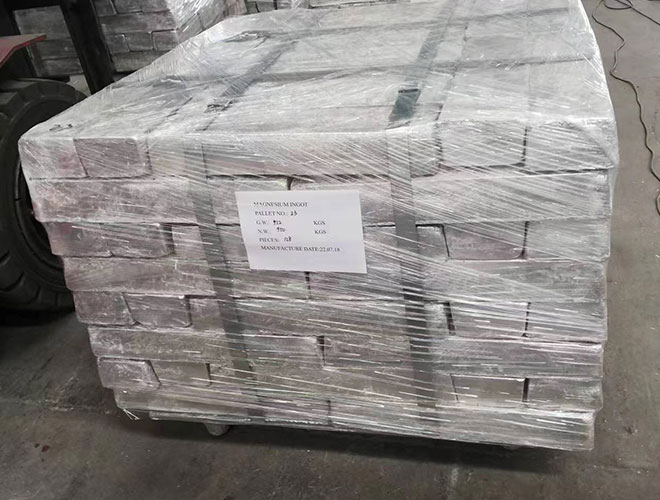 |
MAGNESIUM INGOT | Pure magnesium ingothas the advantages of low specific gravity, high strength per unit weight, high chemical stability, etc., which makes Al-Mg all... |
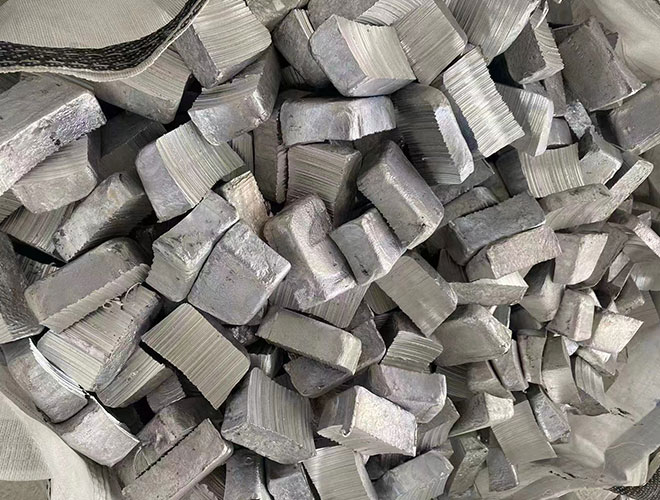 |
MAGNESIUM ALLOY POWDER | MAGNESIUM ALLOY POWDER We supply AZ91D, AM60B magnesium alloy powderof various sizes. Magnesium alloy powder is suitable for the semi-solid machin... |
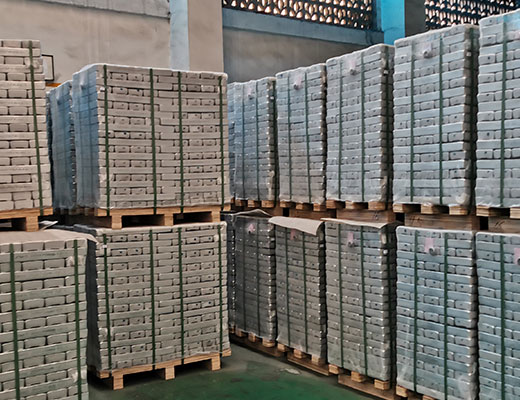 |
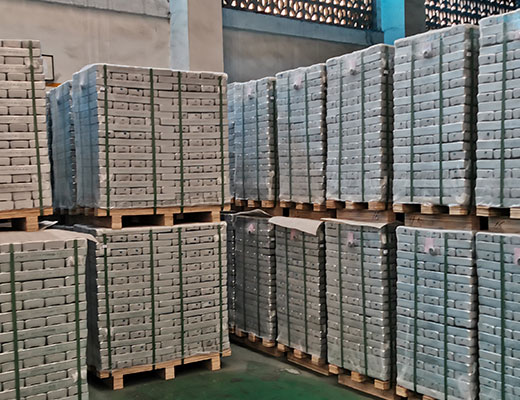
AZ91D MAGNESIUM ALLOY | YiRui Metal supply high-quality magnesium alloy AZ91D series with weights of 6KG and 12KG. Other specifications need to be customized in advance. ... |
 |
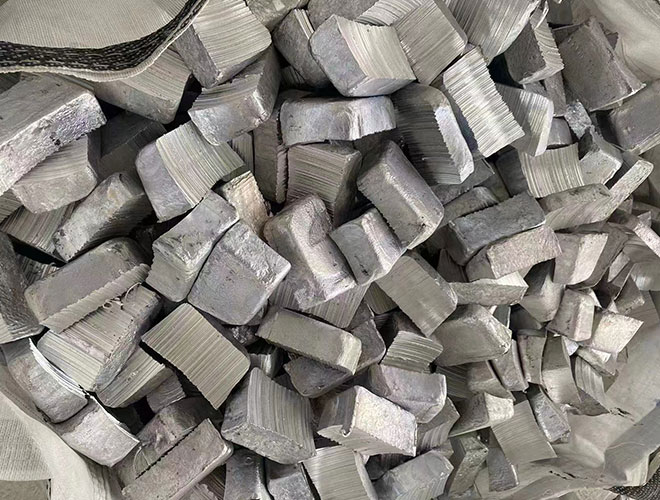
AZ91D MAGNESIUM ALLOY | AZ91D MAGNESIUM ALLOY YiRui Metal supply high-quality mg AZ91Dseries with weights of 6KG and 12KG. Other specifications need to be customized in a... |
 |
MAGNESIUM ALLOY POWDER | We supply AZ91D, AM60B magnesium alloy of various sizes. Suitable for semi-solid machine (thixo) production and processing parts. SPECOFICATIONS... |
Same products
 |
Color Steel Tile | 卖方: 868715 | Hangzhou Chuanya Building Materials Co., Ltd. offers Color Steel Tile solutions for residential b... |
 |
HDPE Pipe for Water Supply | 卖方: Shandong Valor Pipe Co.,Ltd | HDPE Pipe for Water Supply HDPE Pipefor Water Supply: Reliable, Durable, and Cost-Effective A... |
 |
Price List of HDPE Pipe In Nepal | 卖方: Shandong Valor Pipe Co.,Ltd | Price List of HDPE Pipe In Nepal About Shandong Valor Pipe:ISO9001-certified PE manufacturer (... |
 |
UHMWPE Sheets and Plates | 卖方: Shandong Valor Pipe Co.,Ltd | UHMWPE Sheets and Plates UHMWPE Sheet Description UHMWPE (Ultra High Molecular Weight Polyethy... |
 |
Dredge Rubber Hose | 卖方: Shandong Valor Pipe Co.,Ltd | Dredge Rubber Hose Description Dredging Rubber Hoses Ourdredging rubber hosesare engineered for... |

