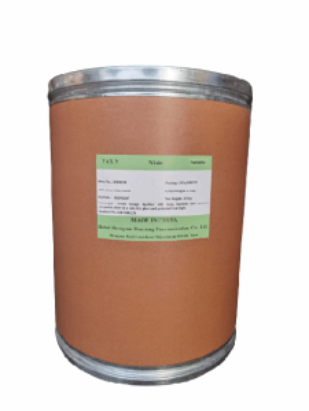
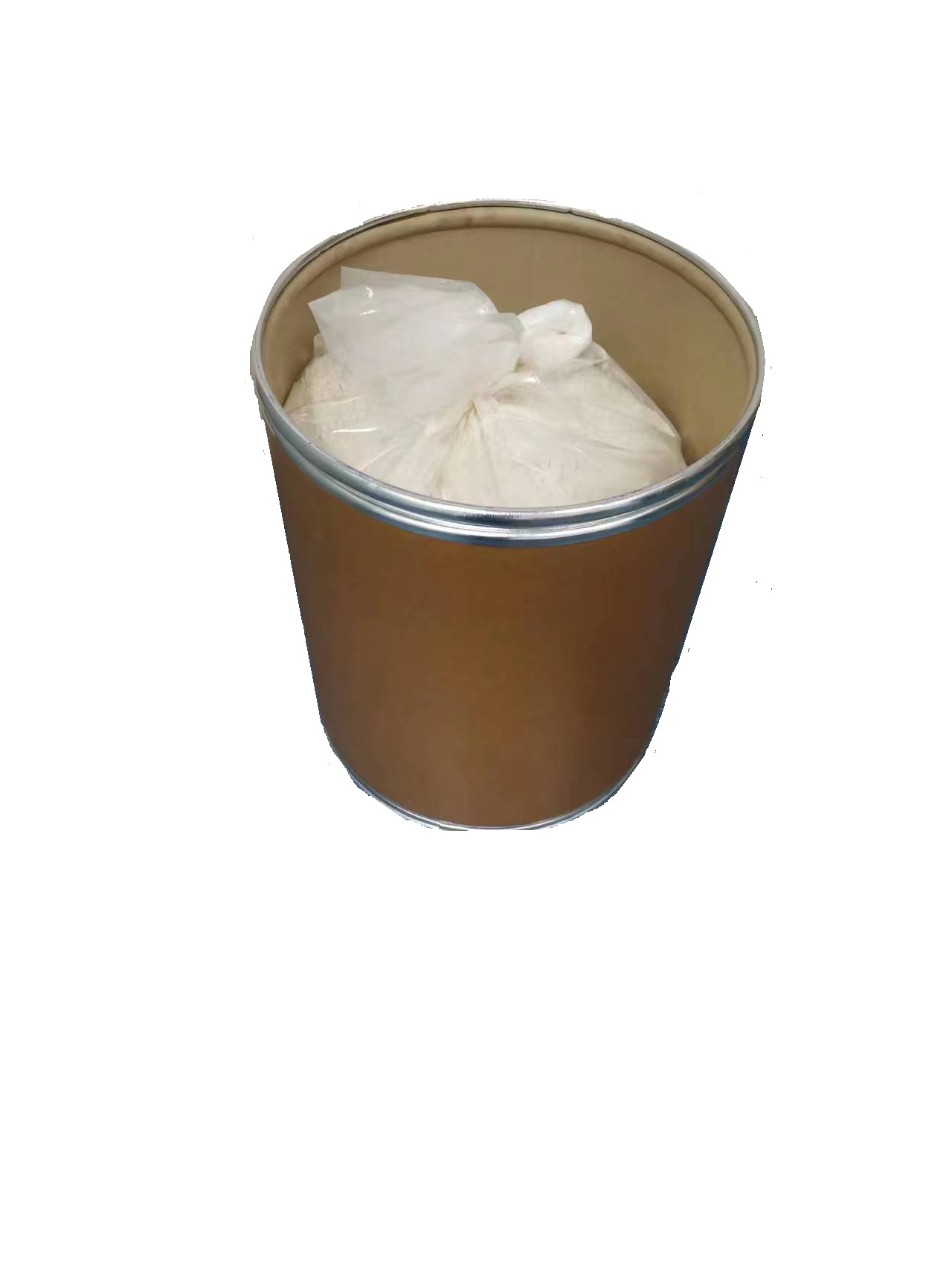
Nisin
Due to nisin's antibacterial activity against drug-resistant gram-positive bacteria (e.g., methicillin-resistant Staphylococcus aureus, MRSA), nisin is being researched for non-oral medical applications (it is broken down by gut enzymes, so oral use for systemic infections is limited):
Topical formulations: Developed into creams, ointments, or wound dressings to treat skin infections caused by gram-positive bacteria (e.g., MRSA-induced skin ulcers or burns). It is also tested in oral care products (e.g., mouthwashes, toothpaste) to inhibit Streptococcus mutans (the main bacterium causing tooth decay).
Medical device coatings: Coated on catheters, implants (e.g., orthopedic implants), or surgical instruments to prevent bacterial adhesion and biofilm formation (a major cause of hospital-acquired infections like catheter-related bloodstream infections).
Other supplier products
|
|
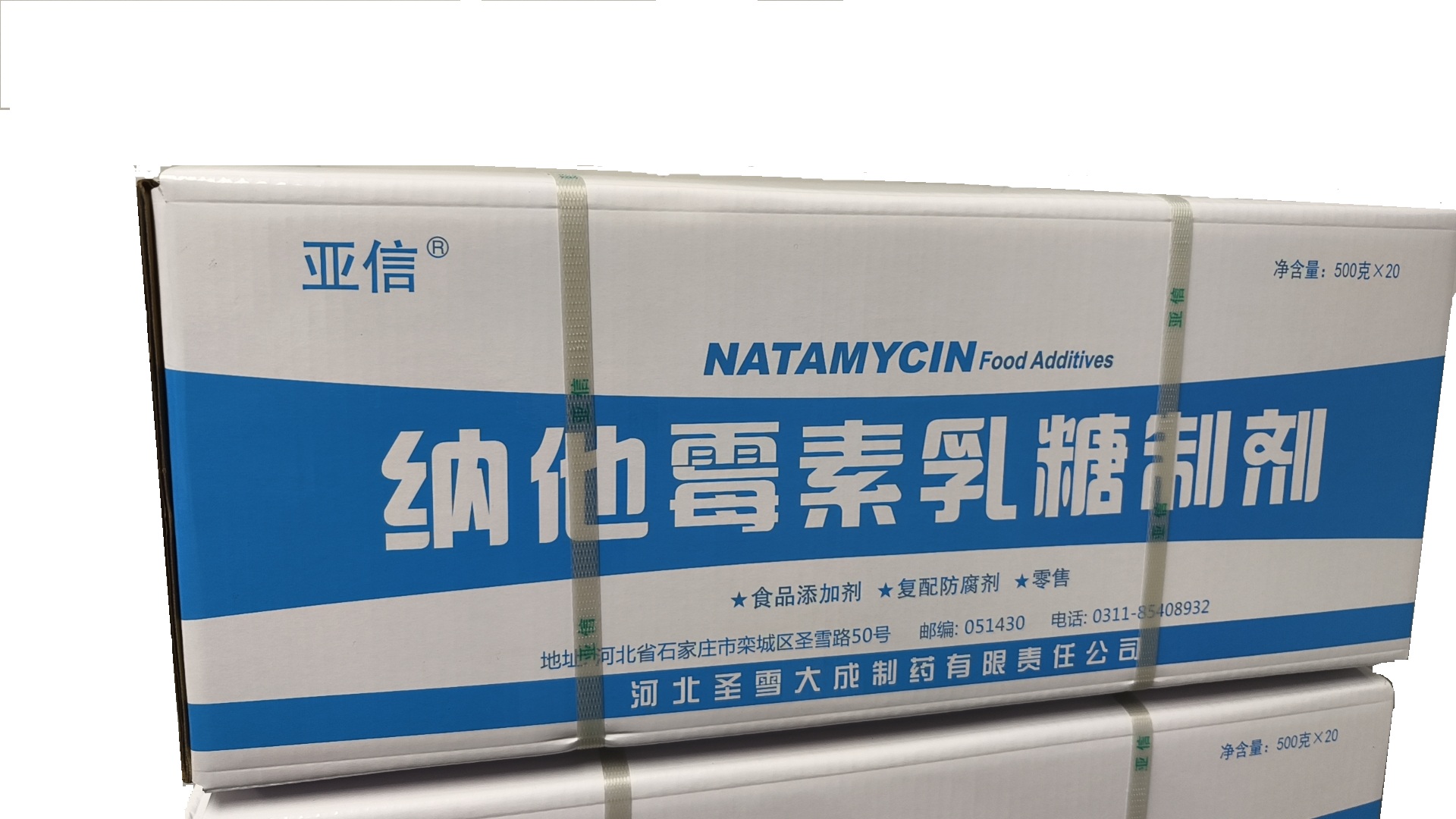
Natamycin 7681-93-8 |
New products coming soon! Welcome to inquire and book! Medical Applications Natamycin is used as an antifungal medication, particularly for treatin... |
|
|
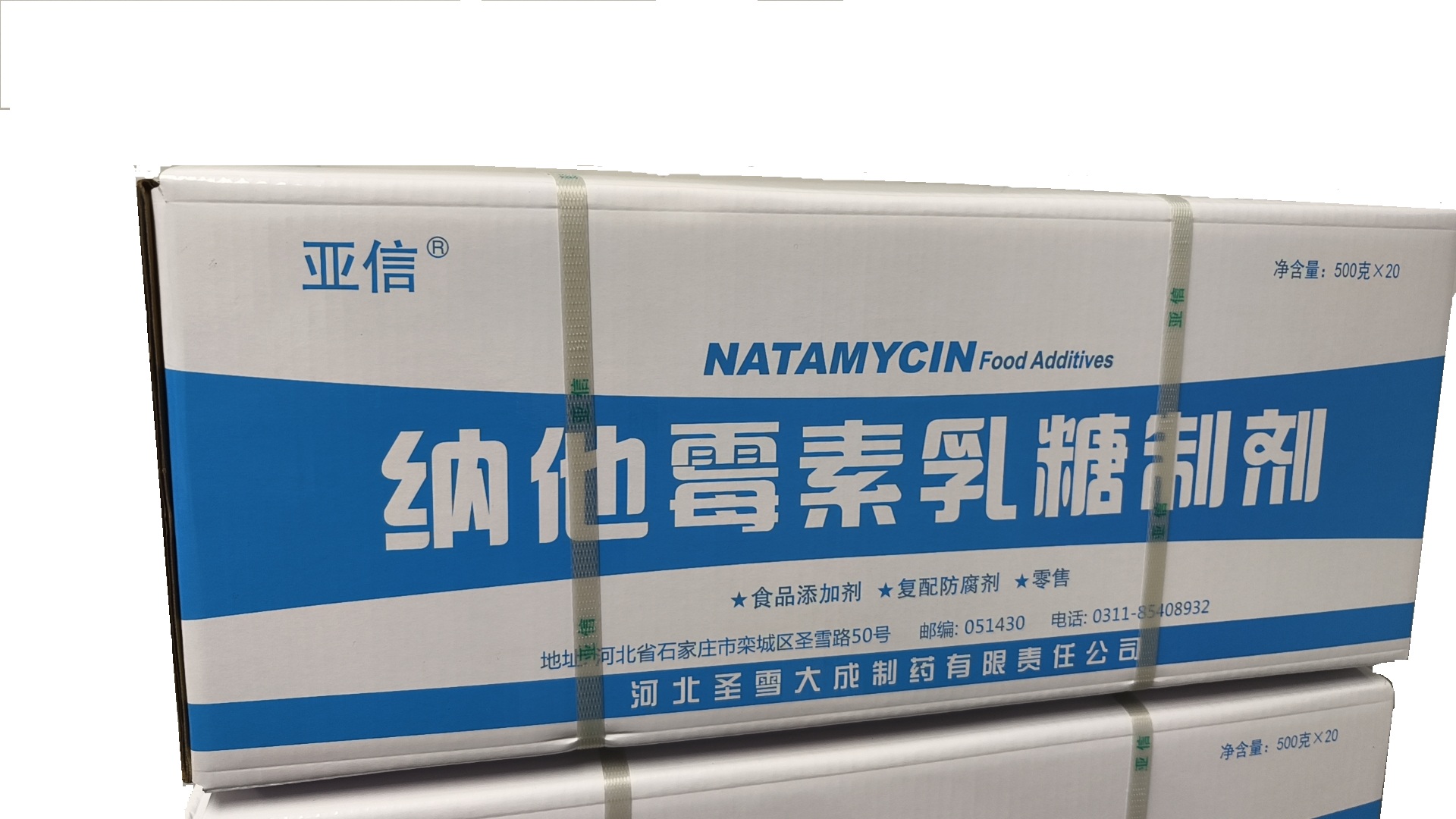
Natamycin |
Chemical Properties ·Natamycin has a polyene planar macrolide structure. The conjugated double bonds interact through van der Waals forces w... |
|
|
Nisin |
Applications ·Food Preservation: Nisin is widely used as a natural preservative in meat products, dairy products, plant protein foods, canne... |
|
|
Nisin Powder |
The storage of nisin requires attention to the following key points to maintain its activity and stability. Here are the specific storage guideline... |
|
|
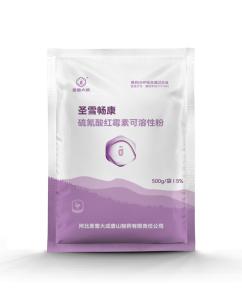
Erythromycin Thiocyanate Soluble Powder |
Erythromycin Thiocyanate Soluble Powder is a type of macrolide antibiotic used to treat bacterial infections in various animal species. It is a bro... |
供应产品
Same products