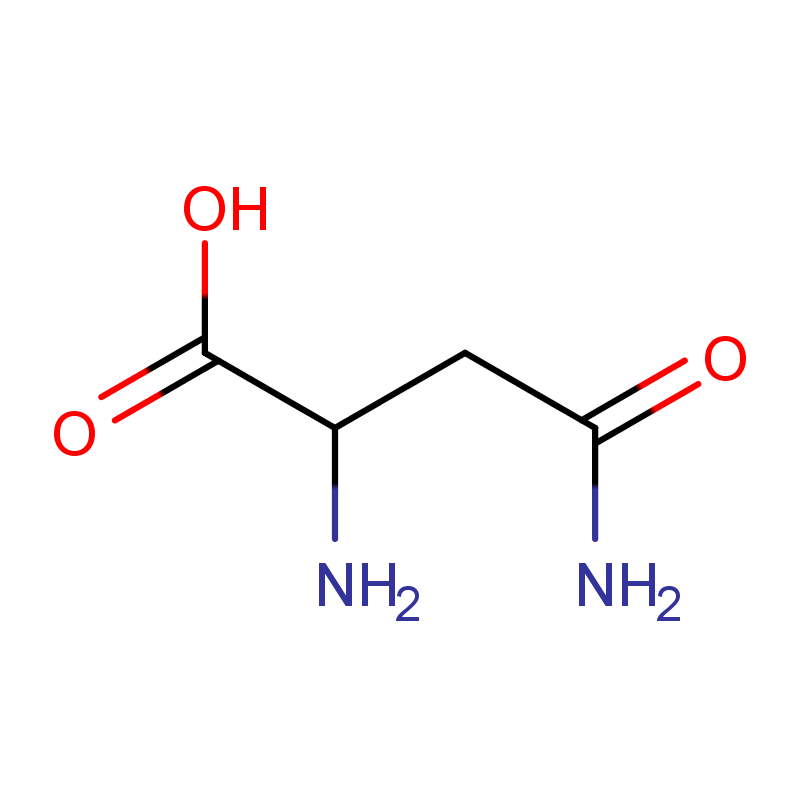
L-Aspartic acid monosodium salt monohydrate

Certain populations require special attention when consuming foods containing this ingredient:
Sodium-restricted diets: Individuals with hypertension, kidney disease, heart failure, or edema (fluid retention) should limit intake of foods high in L-Aspartic acid monosodium salt monohydrate, as its sodium content can exacerbate these conditions. Manufacturers should clearly mark "low-sodium" products to indicate minimal sodium from this or other sources.
Gastrointestinal sensitivity: Rarely, high doses (exceeding 100 mg/kg body weight) may cause mild gastrointestinal discomfort (nausea, bloating, diarrhea) in individuals with irritable bowel syndrome (IBS) or sensitive digestive systems. Manufacturers should avoid overusing it in products targeting these groups (e.g., "gentle" or "digestive-friendly" foods).
Infant and pediatric foods: While it is approved for use in infant formulas (as a nutritional fortifier), dosages must be strictly controlled to match the amino acid needs of infants. Excess L-aspartic acid may interfere with neurotransmitter development in very young children, so levels are limited to <0.5% of total amino acids in formula.
Other supplier products
|
|
L-Cysteine S-Sulfate Na |
Spectral Characteristics (Auxiliary Physical Property Indicators) of L-Cysteine S-Sulfate Na Infrared (IR) spectrum: Characteristic absorption peak... |
|
|
L-Aspartic acid monosodium salt monohydrate |
Certain populations require special attention when consuming foods containing this ingredient:Sodium-restricted diets: Individuals with hypertensio... |
|
|
Chemical Properties of N‑Acetyl‑DL‑Tryptophan |
Chemical Properties of N‑Acetyl‑DL‑Tryptophan 1. Structural characteristics N‑Acetyl‑DL‑Tryptophan is a racemic acetylated derivative of tryptophan... |
|
|
L-Cysteine S-Sulfate Na |
Amino Group (-NH_2) Reactivity of L-Cysteine S-Sulfate NaThe α-amino group in the molecule has typical primary amine reactivity and can under... |
|
|
L-Alanyl-L-Cystine |
Key Applications of L-Alanyl-L-Cystine1. Pharmaceuticals and TherapeuticsAntioxidant and Anti-Inflammatory Agents:The thiol group of cysteine contr... |
供应产品
Same products