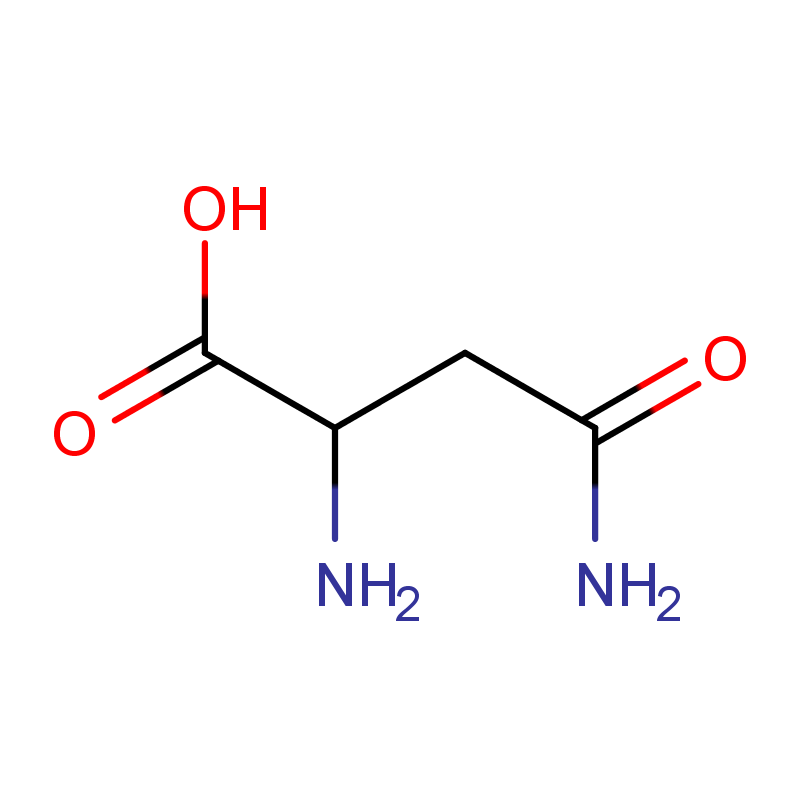
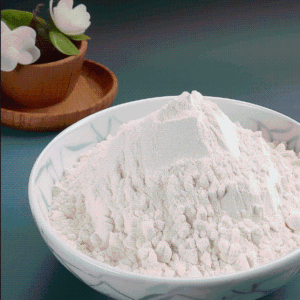
L-Aspartic acid monosodium salt monohydrate

To avoid unwanted chemical reactions or flavor changes, manufacturers must consider its compatibility with other food components: Avoid mixing with strong oxidizers: L-Aspartic acid monosodium salt monohydrate may react with oxidizing agents (e.g., some food preservatives like potassium sorbate) at high temperatures, leading to the breakdown of flavor compounds or the formation of off-tastes. Acidic matrices: While it acts as a buffer, in highly acidic foods (pH <2.5, e.g., citrus juices, vinegar-based dressings), L-Aspartic acid monosodium salt monohydrate may partially convert back to free L-aspartic acid (which is less soluble). This can cause cloudiness or sedimentation, so it is best used in foods with pH 3.0–7.0. Metal ions: L-Aspartic acid monosodium salt monohydrate may form weak complexes with divalent metal ions (e.g., Ca²⁺, Mg²⁺) in dairy or mineral-fortified foods, but this does not affect safety—only solubility. To prevent clumping, it should be dissolved in water before adding to milk or yogurt.
Other supplier products
|
|
DL-tryptophan |
Transportation Points Temperature Control During transportation, avoid extreme temperature fluctuations. Use insulated packaging or refrigerated tr... |
|
|
Wholesale |
Due to glycyl-glycine's amphoteric nature (containing both amino and carboxyl groups), glycyl-glycine acts as a physiological buffer in biological ... |
|
|
Cystine Disodium Salt Powder |
Cystine is recognized as a "beauty amino acid" because it supports the synthesis of keratin, which is essential for maintaining the strength and lu... |
|
|
Hydantoin |
Hydantoin in Cosmetic IndustryPreservatives: Hydantoin derivatives such as DMDM hydantoin are used as preservatives in cosmetics and personal care ... |
|
|
Phospho-L-Tyrosine Disodium Salt Marke quotation |
Phospho-L-Tyrosine Disodium Salt in Pharmaceutical and Biotechnology DevelopmentLead Compound for Drug Discovery: Serves as a structural template f... |
供应产品
Same products