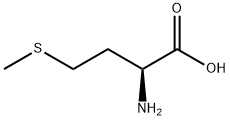
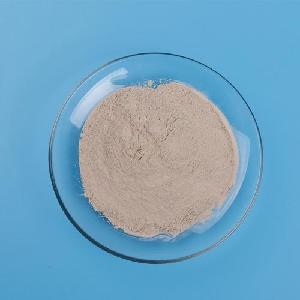
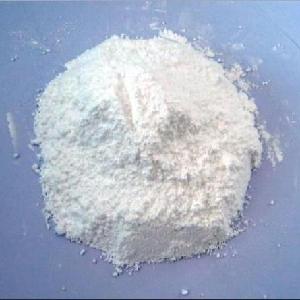
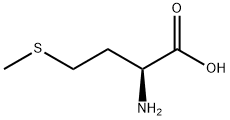
DL-methionine powder
As a racemic mixture, DL-methionine exhibits different biological activities compared to its individual enantiomers:
In animal organisms, only L-methionine has biological activity, as it can be recognized by specific enzymes and participate in protein synthesis, transmethylation reactions, and antioxidant defense systems. D-methionine, on the other hand, is not utilized by most animals and is excreted from the body.
In ruminant animals (e.g., cattle, sheep), D-methionine can be converted into L-methionine by the action of racemase enzymes in the rumen. Therefore, DL-methionine has the same biological efficacy as L-methionine in ruminant nutrition, making it a cost-effective feed additive for ruminant farming.
Other supplier products
|
|
High quality |
Beyond natural occurrence, L-tryptophan is sometimes added to fortified foods and functional products to enhance nutritional value or provide speci... |
|
|
L-Methionine |
L-Methionine, as an essential sulfur-containing amino acid, plays multifaceted and irreplaceable roles in the human body, spanning protein synthesi... |
|
|
L-Methionine powder |
L-Methionine is an essential sulfur-containing amino acid that plays irreplaceable roles in protein synthesis, metabolic regulation, and physiologi... |
|
|
L-Cysteine hydrochloride monohydrate |
Handling and Storage Practices1. Sealing After UseImmediate Re-Sealing: After opening, remove the required amount quickly and re-seal the container... |
|
|
DL-Methionine |
Hygroscopicity and Bulk Properties of DL-MethionineHygroscopicity: DL-methionine has weak hygroscopicity. Under ambient conditions (25 °C, rela... |
供应产品
Same products