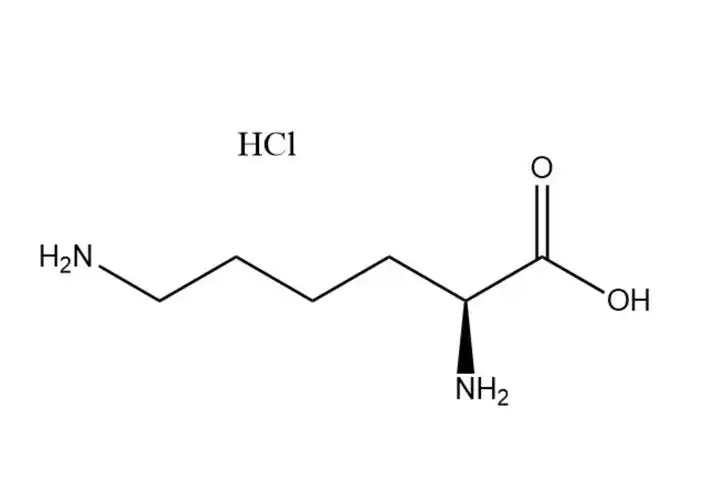
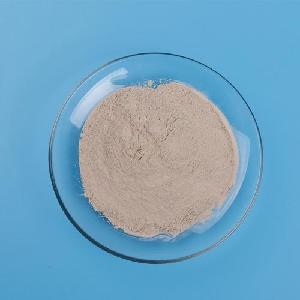
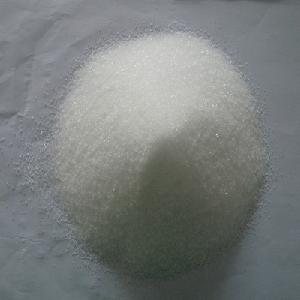
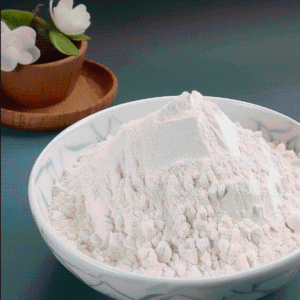
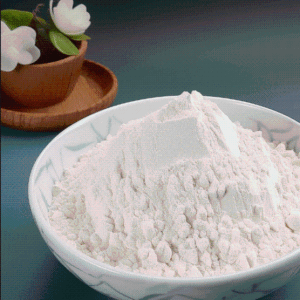
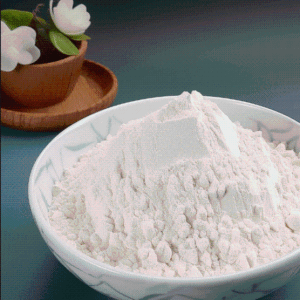
L-Lysine monohydrochloride
L-Lysine monohydrochloridehas a higher aqueous solubility than free L-lysine: ~70 g/100 mL at 25 °C (vs. ~63 g/100 mL for free L-lysine), with solubility increasing significantly with temperature (up to 110 g/100 mL at 60 °C). Its dissolution is rapid, endothermic, and free of precipitation in dilute to high-concentration aqueous solutions (up to 60% w/v). This advantage makes it ideal for:
- Liquid formulations (e.g., oral nutritional supplements, animal drinking water additives, pharmaceutical syrups) where high solubility and clear solutions are required.
- Industrial production processes (e.g., fermentation downstream purification, formulation blending) that demand fast dissolution and uniform dispersion in aqueous systems.
In contrast, free L-lysine has lower solubility and may form supersaturated solutions that precipitate during storage, leading to formulation instability.
Other supplier products
|
|
L-Lysine monohydrochloride as nutrient additives |
Free L-lysine is highly hygroscopic—it absorbs atmospheric moisture rapidly at relative humidity (RH) >60%, leading to caking, agglomerati... |
|
|
High quality |
Beyond natural occurrence, L-tryptophan is sometimes added to fortified foods and functional products to enhance nutritional value or provide speci... |
|
|
DL-Alanine |
DL-Alanine is not naturally abundant in living organisms (most life forms primarily use L-Alanine as a building block for proteins). It is mainly p... |
|
|
The Application of Inositol in the Food Industry |
Inositol, as a natural and safe functional food ingredient and a vital vitamin‑like nutrient, has been widely applied in the modern food industry d... |
|
|
L-proline |
Basic informationStructural characteristics: The molecular structure of L-proline is rather unique. Its α -amino group is an imine, and the h... |
供应产品
Same products