

Pump and Valve Contamination Tolerance Tester

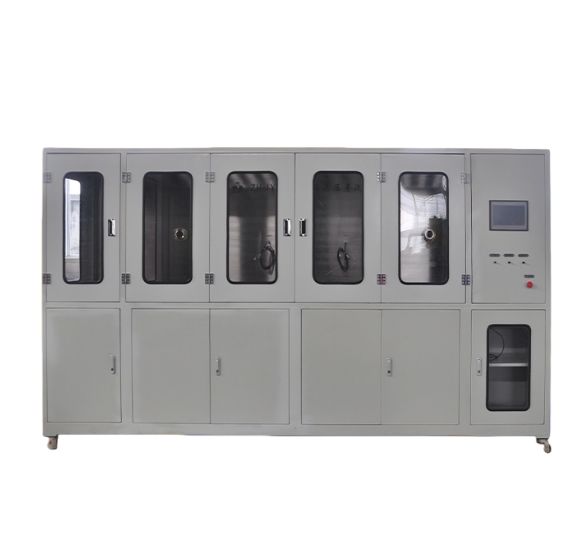
Get a quote:
Whats/App: +86 185 0176 3615
Web: qinsun-lab.com
Evaluating the wear resistance and durability of hydraulic pumps and valves simultaneously under contaminated fluid conditions.
Determining the impact of fluid contamination on the performance characteristics (efficiency, leakage, control accuracy, response time) of pumps and valves over time.
Validating the contamination tolerance of pump and valve designs, materials, and manufacturing processes.
Benchmarking the contamination resistance of different pump and valve models or manufacturers.
Research and development of more robust hydraulic components for use in contaminated environments.
Assessing the effectiveness of design modifications in improving contamination tolerance.
Standards
(1) ISO 4406:2021 — Hydraulic fluid power — Fluids — Method for coding the level of contamination by solid particles.
(2) ISO 18413:2017 — Hydraulic fluid power — Filters — Vocabulary and commercial specifications.
(3) ISO 10707:2019 — Petroleum products and lubricants — Determination of demulsibility characteristics.
(4) ISO 6403:2018 — Hydraulic fluid power — Filter elements — Verification of collapse/burst pressure.
(5) ISO 10372:2016 — Hydraulic fluid power — Filter elements — Method for measuring filtration performance.
(6) NFPA T2.6.1 — Standard for Hydraulic Power Units.
(7) GB/T 16907-1997 — Hydraulic systems — General technical specifications.
(8) GB/T 14039-2002 — Hydraulic transmission — Solid particle contamination code for oil.
(9) JB/T 7857-2006 — Evaluation method for contamination sensitivity of hydraulic valves.
(10) ISO 12103-A3 — Test dust standard for simulating solid particle contamination.
Features
Provides a comprehensive evaluation of both hydraulic pump and valve performance and wear resistance in a single test setup under contaminated conditions.
Simulates the interaction of contaminated fluid with key components in a hydraulic circuit.
Essential for selecting pumps and valves that can reliably operate in hydraulic systems with expected levels of fluid contamination.
Helps validate component designs and materials specifically for resistance to wear and degradation caused by particles.
Provides objective, quantitative data on the long-term effects of contamination on pump and valve performance.
Supports research and development efforts aimed at improving the robustness and lifespan of hydraulic components.
Technical Parameters
| No. | Technical Parameters | Specifications |
|---|---|---|
| 1 | Test medium | Hydraulic oil |
| 2 | Temperature of medium | 10 ~ 80℃ |
| 3 | Test dust | ISO 12103-A3 |
| 4 | Test pressure range | 0.5 ~ 6MPa |
| 5 | Test flow | 1 ~ 20L/min |
| 6 | Purification cleanliness | -/12/10 (GB/T |
| 7 | Test tank volume | 40L |
| 8 | Execution standard | JB/T 7857-2006 |
| 9 | Equipment power supply | AC380V / 50Hz |
| 10 | Power of the whole machine | 5.5kW |
在线联系供应商
Other supplier products
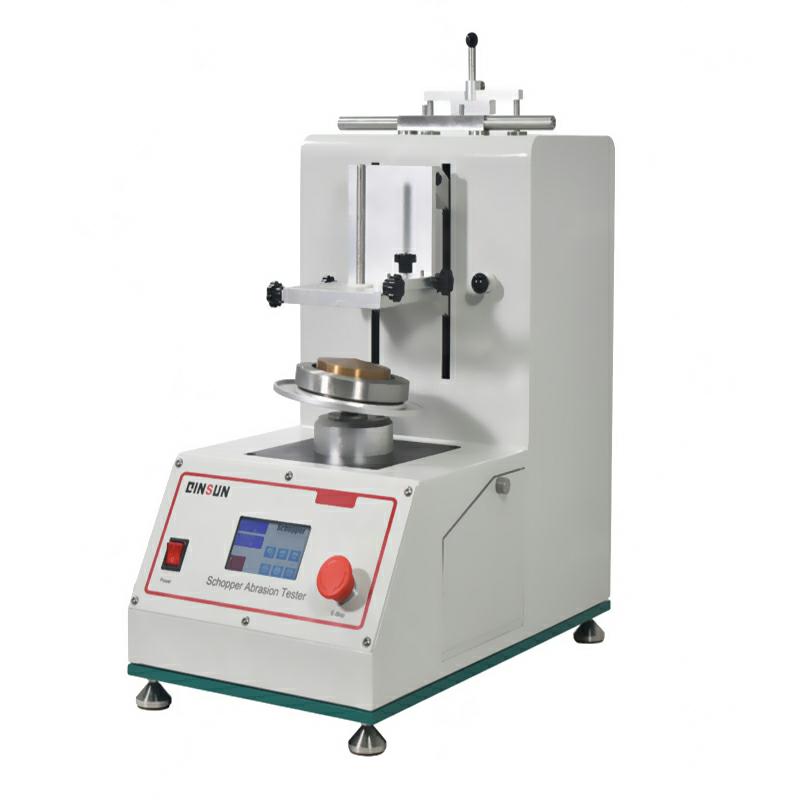 |
Schopper Abrasion Tester | Get a quote: Whats/App: +86 185 0176 3615 Web: qinsun-lab.com The Schopper abrasion tester is a precision device specifically designed to evalua... |
 |
Thermal Radiation Flooring Combustion Tester | Get a quote: Whats/App: +86 185 0176 3615 Web: qinsun-lab.com Email: serving@qinsun-lab。com Product Standards ISO 9239 - 1: Reaction to fire t... |
 |
Washer and Dryer CE GS JIS | Get a quote: Whats/App: +86 185 0176 3615 Web: qinsun-lab.com The Washer-Dryer Combo integrates washing and drying functions into a single, spac... |
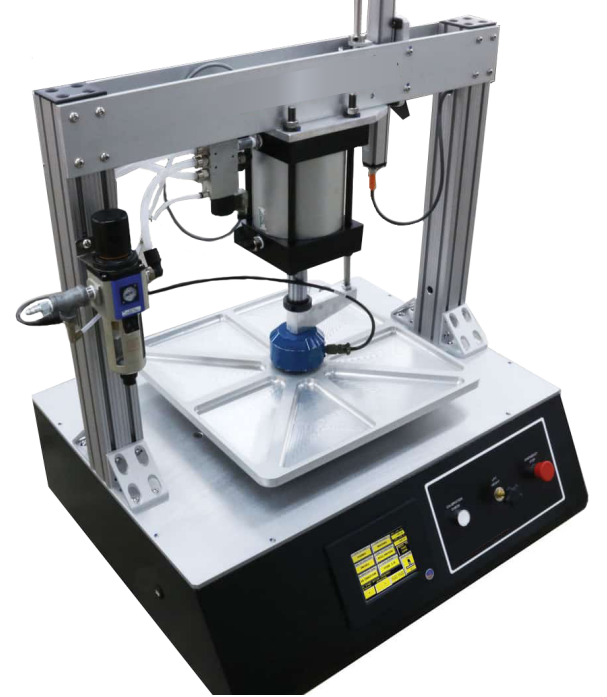 |
HD2 Pneumatic Foam Fatigue Tester | ASTM ISO Testing Machine | Get a quote: Whats/App: +86 185 0176 3615 Web: qinsun-lab.com The HD2 Pneumatic Foam Fatigue Tester is a heavy-duty, single-station laboratory t... |
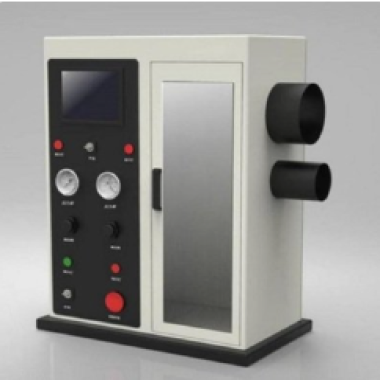 |
Density of Smoke from the Burning or Decomposition of Plastics | Get a quote: Whats/App: +86 185 0176 3615 Web: qinsun-lab.com Email: serving@qinsun-lab。com In a fire, people are often smoke suffocated or una... |
Same products
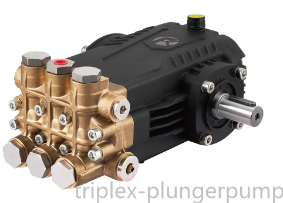 |
Choosing the Right Equipment for Heavy-Duty Cleaning | 卖方: 868255 | FEIKE’s High Pressure Washer is designed for industrial cleaning, equipment maintenance, ve... |
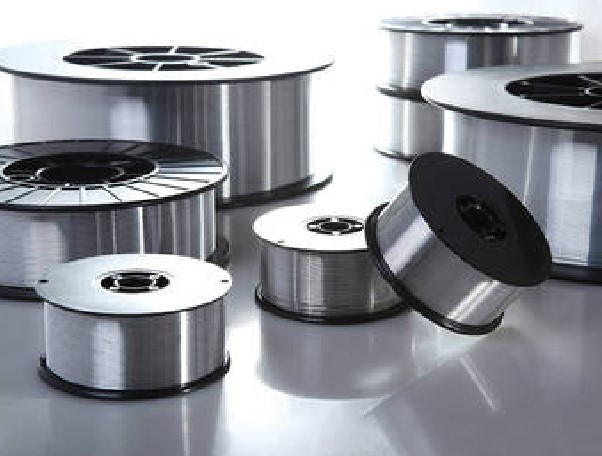 |
ER4043 Silicon Aluminum Welding Wire | 卖方: 868776 | Hangzhou Kunli Welding Materials Co., Ltd. offers ER4043 Silicon Aluminum Welding Wire for alumin... |
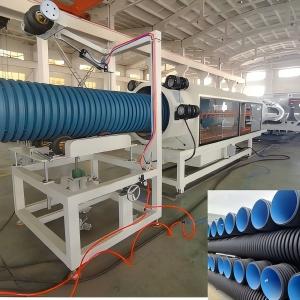 |
HDPE高速水冷双壁波纹管生产线 | 卖方: Shandong HUASU Plastic Technology Co.,Ltd. | 机头模具采用双流道结构、氮化磨光处理机头,偏壁调整方便快捷,保证内外层壁厚均匀和稳定成型。 最新设计密闭压力水冷冷却结构,冷却充分,多点分布真空系统,效率更高,生产速度更快。 双层在线扩口功... |
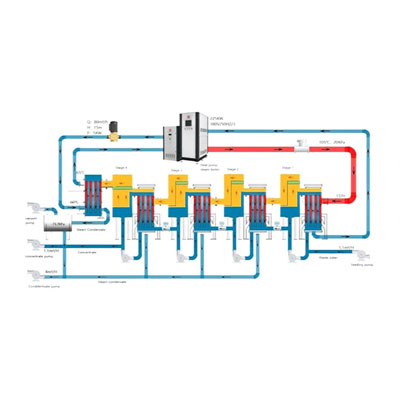 |
PanEVAP & MVR system | 卖方: Yangzhou Panstar Heat Exchanger Equipment Co., Ltd | A multiple-effect evaporator is a device that efficiently uses steam heat to evaporate water. Wat... |
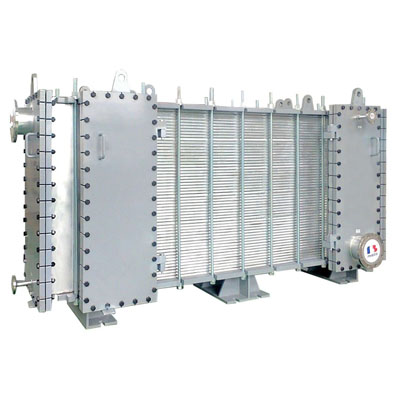 |
PanGAP wide gap welded plate heat exchanger | 卖方: Yangzhou Panstar Heat Exchanger Equipment Co., Ltd | PanGAP wide gap welded plate heat exchangerconsists of a welded plate pack with different channel... |

