

Anthropomorphic test dummies


Whats/App: +86 156 1874 6768
Web: standard-groups.com
Standards
EN standard (Euro-American sign)
GB standard (Chinese/Asian sign)
Features
The manikin's interior incorporates various metals, plastics, and rubber components, including a steel chest cavity, aluminum shoulder blades, plastic pelvic bones, and silicone skin. Additionally, numerous precision instruments such as accelerometers, potentiometers, and pressure sensors are installed throughout its structure to record the forces exerted on the manikin during collisions.
Head and Neck:
The skull and cranial vault are constructed as a single aluminum alloy unit, covered with either soft skin or hard synthetic resin. The neck combines rubber and aluminum alloy structures, with a central communication cable that simulates the dynamic structure, rotational flexibility, and extension feedback of the human neck.
Upper Torso:
The high-strength six-rib steel cage in the chest cavity incorporates flexible elastic material to simulate human chest rebound characteristics under external force. The ribs include anatomically correct left and right ribs, with the sternum and spinal column riveted to the back.
The sternum connects the front ribs to a sternum bending/rotation potentiometer. The angle between the neck and upper torso determines the cervical spine curve assembly, which integrates a 6-axis neck sensor. Two clavicles and clavicle connectors secure the entire scapula and shoulder girdle linkage.
Lower Torso:
A cylindrical rubber lumbar spine assembly enables sitting and standing like a real human. An optional lumbar transport unit secures it to the pelvis. The skin covering the pelvic periphery and buttocks is made of infused soft rubber/ Polyurethane soft and elastic skin is applied to the pelvis periphery and buttocks. Leg bones with optional spherical joints that limit movement mimic human leg characteristics, enabling free flexion, extension, and rotation. Thigh bones, lower leg bones, and ankle bones can be fitted with detection instruments to predict leg bone fractures and assess knee ligament conditions and injuries. Feet and ankles simulate heel and ankle joints to achieve movement.
Technical Parameters
1. Crash Test Dummy
| Item | Description |
|---|---|
| Composition | Head, neck, torso (with/without skin), upper/lower trunk, thigh (left/right), lower leg (left/right, including foot), upper arm (left/right), lower arm (left/right, including hand) |
| Posture | Maintainable in seated or standing position |
| Anthropometry | Matches 50th percentile adult male for all segments |
| Standing Height | 1750±10 mm (no sitting height data) |
| Sitting Height | 883.9±5.1 mm |
| Mass Distribution & Total Mass | Matches 50th percentile adult male; total mass 77.65±1.18 kg |
| Material | Aluminum alloy head, steel neck and chest components; rubber neck/lumbar; chest with simulated skin |
| Sensor Provision | Pre-installed sensor locations and wiring space at all segments |
2. Dummy Sensors
| Item | Description |
|---|---|
| Source | Optional, Chinese/US manufactured |
| Compliance | Meets SAE J211/1 requirements |
| Cable Length | 10 m signal cable per sensor |
| Certification | Each sensor must provide a calibration report/certificate from a third-party metrology institute |
| Responsibility | Responsible for sensor calibration and installation/commissioning on the dummy |
3. Sensor Types & Quantity
| Location | Sensor Type & Quantity |
|---|---|
| Head | 3 × Accelerometers |
| Upper Neck | 1 × 6-axis Force/Torque Sensor |
| Lower Neck | 1 × 6-axis Force/Torque Sensor |
| Chest | 3 × Accelerometers; 1 × Displacement Sensor |
| Lumbar | 0 × 6-axis Force/Torque Sensor |
| Knee Joint | Optional |
| Ankle/Foot | Optional |
4. Head & Chest Accelerometers
| Parameter | Specification |
|---|---|
| Range | 2000g |
| Sensitivity | 0.15 mV/g |
| Excitation Voltage | 2 ~ 10 VDC |
| Frequency Response | 0 ~ 5 kHz (±1/2 dB) |
| Nonlinearity Error | ±1% FS |
5. Upper Neck 6-Axis Force/Torque Sensor
| Parameter | Specification |
|---|---|
| Measurement Directions | Fx, Fy, Fz, Mx, My, Mz |
| Range | 9 kN (Fx, Fy), 13 kN (Fz), 280 N·m (Mx, My, Mz) |
| Excitation Voltage | 2 ~ 15 VDC |
| Nonlinearity Error | < 1% |
| Hysteresis Error | < 1% |
6. Lower Neck 6-Axis Force/Torque Sensor
| Parameter | Specification |
|---|---|
| Measurement Directions | Fx, Fy, Fz, Mx, My, Mz |
| Range | 13.3 kN (Fx, Fy), 13.4 kN (Fz), 454.6 N·m (Mx), 455.3 N·m (My), 453.7 N·m (Mz) |
| Excitation Voltage | 2.5 ~ 15 VDC |
| Nonlinearity Error | < 1% |
| Hysteresis Error | < 1% |
7. Chest Displacement Sensor
| Parameter | Specification |
|---|---|
| Range | ≥ 75 mm |
| Sensitivity | 1.0802 mV/mm |
| Supply Voltage | 5 VDC |
| Hysteresis Error | < 1% |
| Nonlinearity Error | < 2% |
8. Lumbar 6-Axis Force/Torque Sensor
| Parameter | Specification |
|---|---|
| Measurement Directions | Fx, Fy, Fz, Mx, My, Mz |
| Range | 15.08 kN (Fx), 15.08 kN (Fy), 20.1 kN (Fz), 602.7 N·m (Mx), 602.0 N·m (My) |
| Excitation Voltage | 2.5 ~ 15 VDC |
| Nonlinearity Error | < 1% |
| Hysteresis Error | < 1% |
Test Procedure
Pre-inspection: Check for damage to the dummy's skin, verify normal damping sensation at all joints, and clean sensor interfaces.
Installation and Calibration: Install accelerometers, force sensors, and displacement transducers at designated internal locations on the dummy according to test requirements.
Posture Adjustment: Position the dummy on the test seat or platform, adjust torso angle and limb placement to ensure compliance with specified standard posture requirements.
Wiring Calibration: Connect to the signal acquisition system and perform zero-point calibration for all sensors.
Test Execution: Conduct collision or impact tests while simultaneously recording the manikin's dynamic physical response data.
Data Analysis: After testing, extract sensor curves and calculate core metrics such as HIC (Head Injury Criterion) and chest compression.
在线联系供应商
Other supplier products
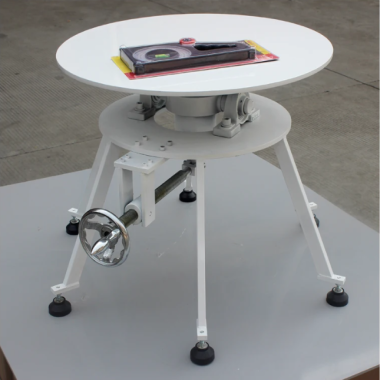 |
Appliance Stability meter | Whats/App: +86 156 1874 6768 Web: standard-groups.com Product Introduction The device conforms to GB4706-1 Article 20.1. IEC60335-1 Article 20.1... |
 |
Elmendorf Tearing Strength Testers | Whats/App: +86 156 1874 6768 Web: standard-groups.com G008 Manual Tearing Tester, The Elmendorf tear method can be used to test the force require... |
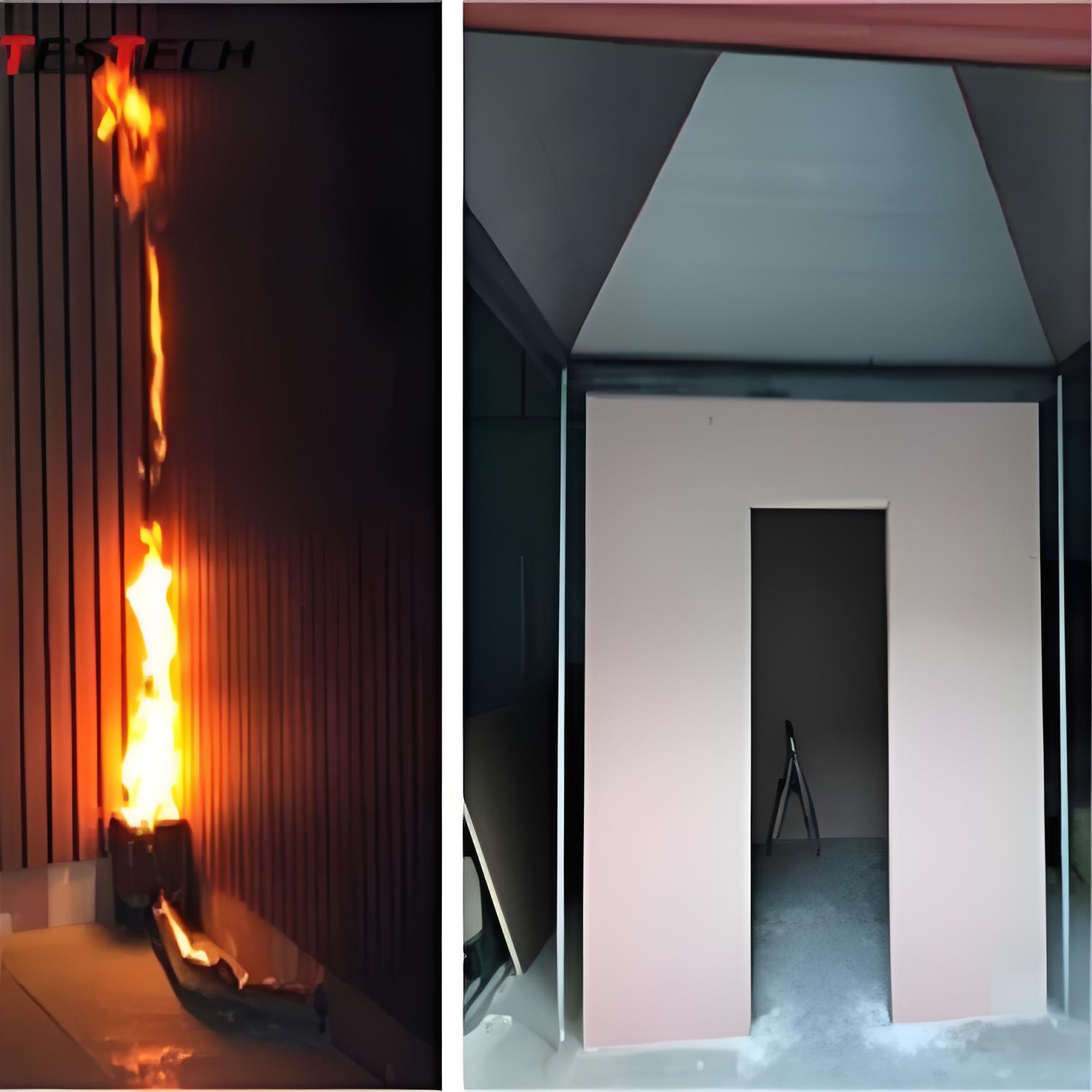 |
Room Corner Tester,Room corner fire test equipment, ISO 13784 | Whats/App: +86 156 1874 6768 Web: standard-groups.com Introduction According to ISO9705 of building materials fire prevention performance standa... |
 |
Electrostatic Decay Tester | Whats/App: +86 156 1874 6768 Web: standard-groups.com The Electrostatic Decay Tester is professionally designed to evaluate the static electricit... |
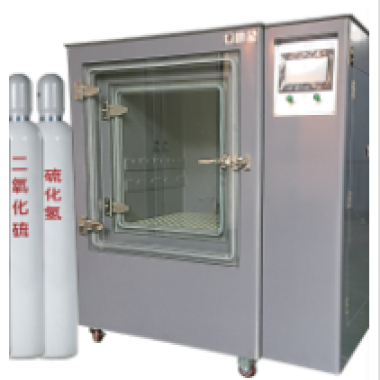 |
Hydrogen Sulfide Corrosion Test Chamber | Whats/App: +86 156 1874 6768 Web: standard-groups.com The Hydrogen Sulfide Corrosion Test Chamber is a precision environmental testing instrument... |
Same products
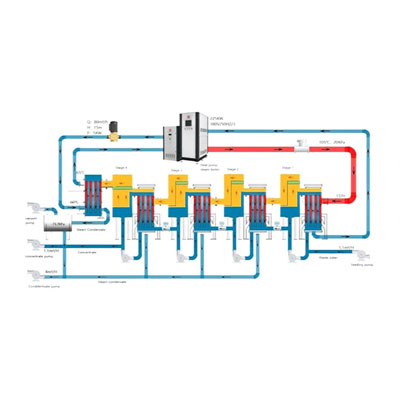 |
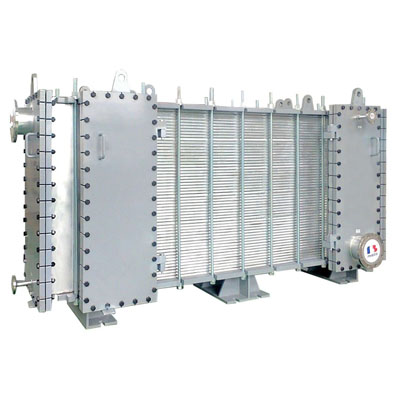
PanEVAP & MVR system | 卖方: Yangzhou Panstar Heat Exchanger Equipment Co., Ltd | A multiple-effect evaporator is a device that efficiently uses steam heat to evaporate water. Wat... |
 |
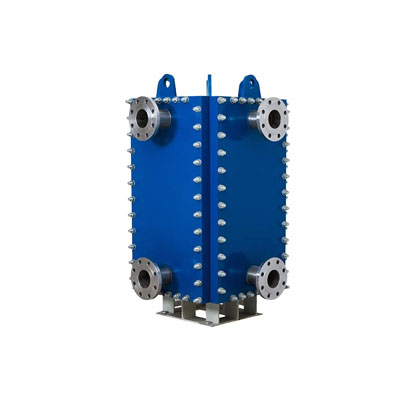
PanGAP wide gap welded plate heat exchanger | 卖方: Yangzhou Panstar Heat Exchanger Equipment Co., Ltd | PanGAP wide gap welded plate heat exchangerconsists of a welded plate pack with different channel... |
 |
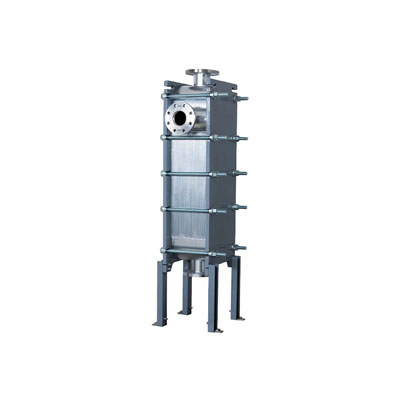
PanBloc welded plate heat exchanger | 卖方: Yangzhou Panstar Heat Exchanger Equipment Co., Ltd | PanBloc welded plate heat exchangeris compact and efficient, although fully welded, is totally ac... |
 |
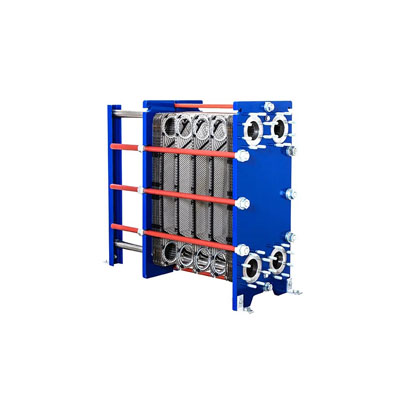
PanBox welded plate heat exchanger | 卖方: Yangzhou Panstar Heat Exchanger Equipment Co., Ltd | PanBox welded plate heat exchangerconsists of a laser welded plate pack with optimized corrugated... |
 |
PanPHE gasketed plate heat exchangers | 卖方: Yangzhou Panstar Heat Exchanger Equipment Co., Ltd | PanPHE gasketed plate heat exchangersare designed with easy access for regular servicing and for ... |

