

Particle Abrasion Tester

Whats/App: +86 156 1874 6768
Web: standard-groups.com
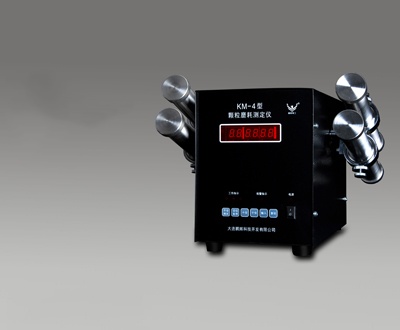
The Particle Abrasion Tester (Q-4D) is a precision instrument designed to measure the wear rate of granular materials such as catalysts, molecular sieves, adsorbents, activated alumina, and wood activated carbon. Based on national standards, it provides a controlled and repeatable method for evaluating particle durability under simulated industrial conditions. The Q-4D improves upon its predecessor (Q-3) with enhanced performance, optimized structure, and greater operational stability, making it suitable for chemical, pharmaceutical, petroleum, and material research laboratories.
Application
(1) Determining wear rate of fertilizer catalysts, molecular sieves, and adsorbents
(2) Evaluating the mechanical durability of industrial activated alumina
(3) Testing strength and abrasion resistance of wood activated carbon
(4) Quality control in chemical and pharmaceutical production
(5) Research and development for new granular materials with improved durability
(6) Comparative testing of particle materials to optimize process efficiency
Standards
(1) GB 3636-83 — Method for determination of wear rate of catalysts, molecular sieves, adsorbents
(2) GB 10504-2008 — 3A Molecular Sieve
(3) HG/2524-2011 — 4A Molecular Sieve
(4) GB 13550-92 — 5A Molecular Sieve
(5) GB/T 12496.22-90 — Test method for strength determination of wood activated carbon
(6) HG/T 3927-2007 — Industrial activated alumina wear testing
(7) ISO 3270 — Determination of particle size distribution and durability of granular materials (international standard reference)
(8) ASTM D4179 — Standard test method for wear of granular catalysts
Features
(1) Stepper motor with single-chip microcomputer control for precise, stable, and uniform grinding speed
(2) Low noise operation for improved laboratory comfort
(3) LED indicators display real-time working status clearly and intuitively
(4) Adjustable speed settings (25–100 r/min) to accommodate different material types and test requirements
(5) Functions include preset speed, alarm settings, and automatic pause for enhanced safety and control
(6) Dual grinding cylinder sizes (Φ36×300 mm and Φ50×300 mm) for versatility
(7) High stability and low failure rate, ensuring long-term reliable operation
(8) Simple and intuitive operation, suitable for routine laboratory and industrial testing
Parameters
| Item | Description |
|---|---|
| Speed range | 25, 30, 40, 50, 60, 80, 100 r/min (adjustable) |
| Counting range | 0–9999 r |
| Grinding cylinder inner size | Φ36×300 mm; Φ50×300 mm (two each) |
| Power supply | AC 220V ±10%, 50 Hz |
| Noise | Low, |
| Control system | Single-chip microcomputer with stepper motor |
| LED indicators | Display operational status, speed, and alarms |
| Overall dimensions | 400 × 300 × 450 mm (L × W × H) |
| Net weight | 28 kg |
Accessories
(1) Grinding cylinders (Φ36×300 mm and Φ50×300 mm)
(2) Sample loading trays
(3) Power cord and fuse
(4) User manual
(5) Calibration tools
Test Procedures
(1) Select and install the appropriate grinding cylinder for the material to be tested
(2) Load the sample material into the grinding drum evenly
(3) Set the desired rotation speed using the touch interface or control knob
(4) Preset the test count or duration, and enable alarm/pause settings if required
(5) Start the test and monitor LED indicators for real-time operational status
(6) At the end of the test, remove the sample and evaluate the wear rate based on weight loss or particle size change
(7) Record the results and repeat as necessary for additional samples
Maintenance Information
(1) Clean the grinding cylinders and drum after each test to prevent contamination
(2) Periodically check the stepper motor and electronic control system for proper function
(3) Inspect LED indicators and connections for reliability
(4) Replace worn grinding cylinders to maintain consistent test results
(5) Store the instrument in a clean, dry environment to protect electrical components
在线联系供应商
Other supplier products
 |
Model Coin-cell Swelling System for Lithium-ion Battery Research | Get a quote: Whats/App: +86 156 1874 6768 Web: standard-groups.com Standards (1) ASTM E83 – Standard Test Method for Verification of Line... |
 |
Xenon Light Fastness Test Chamber | Whats/App: +86 156 1874 6768 Web: standard-groups.com Features and Benefits 1.Full-Spectrum Xenon Lamp Xenon arc lamps emit a continuous spec... |
 |
Enamel Coating Immersion Durability Testing Equipment ASTM Standard | Get a quote: Whats/App: +86 156 1874 6768 Web: standard-groups.com Standards (1) QB/T 2590-2003 Appendix A: Enamel Boiling Water Resistance Tes... |
 |
Rubber non-rotor vulcanization Tester | Whats/App: +86 156 1874 6768 Web: standard-groups.com The Rubber Non-Rotor Vulcanization Tester is a precision instrument designed for the rubber... |
 |
Minimum ignition temperature dust cloud tester for ASTM E1491 compliance | Get a quote: Whats/App: +86 156 1874 6768 Web: standard-groups.com Standards ASTM E1491-06:Standard Test Method for Thermal Performance of Powd... |
Same products
 |
Large Naïve VHH Library | 卖方: AlpVHHs | Large Naïve VHH Library VHHare single-domain antibodies derived from the variable regions o... |
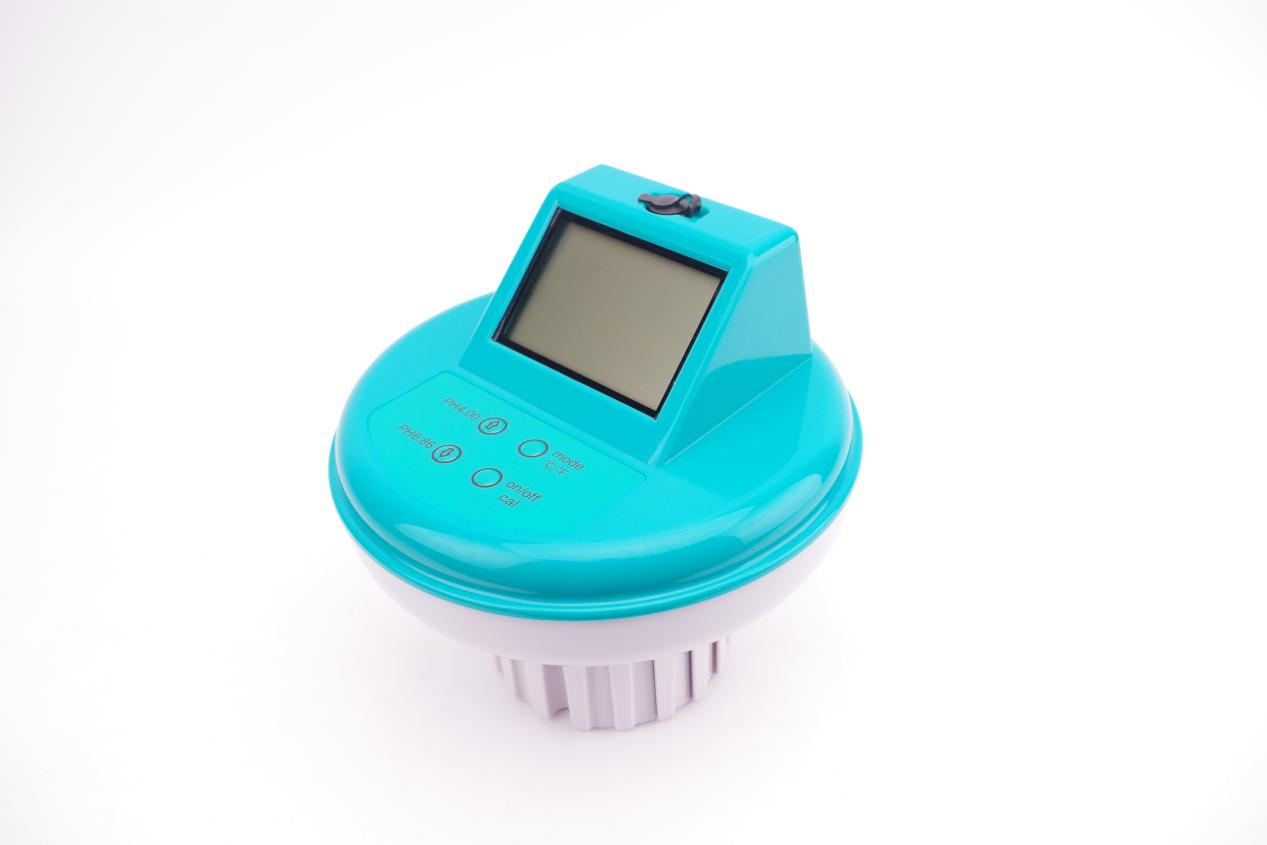 |
PH-2398 pH/EC/ORP/温度 多参数测试仪 | 卖方: 科立龙电子股份有限公司 | 大显示,可同时进行水质PH、氧化还原电位、电导率、温度的测量; 带背光LCD显示清晰,功能齐全,精度高; 仪表采用微电脑测量与控制技术,具有自动校准功能,方便实用。 内置蓝牙,可以与电脑或... |
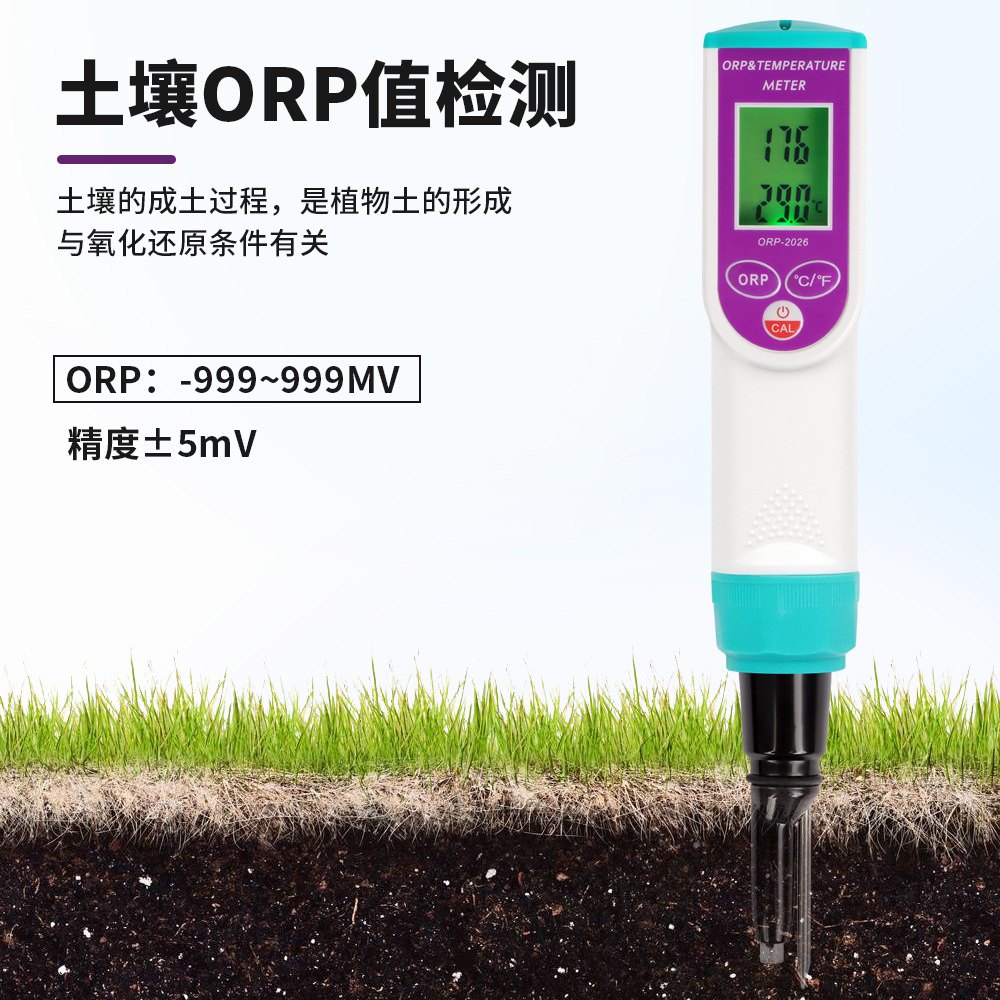 |
ORP-2026S 防水型 土壤ORP&温度 二合一测试仪 | 卖方: 科立龙电子股份有限公司 | 范围 ORP -999~999mV Temp 0~50℃ 分辨率 ORP 1mV... |
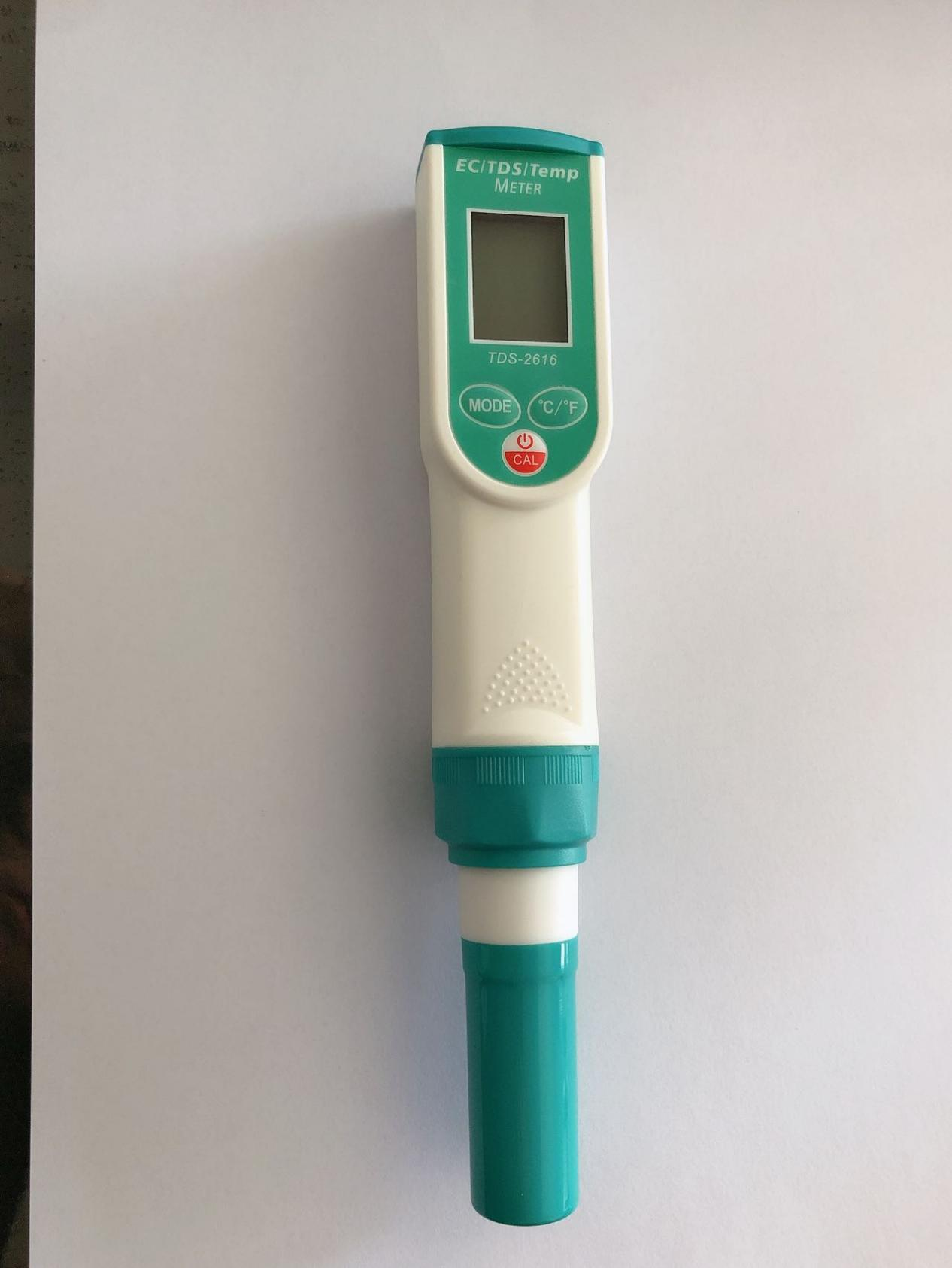 |
防水型 EC /TDS/温度三合一参数测试仪 | 卖方: 科立龙电子股份有限公司 | 范围 EC ~19.9mS TDS Temp 0~50℃ 分辨率 ... |
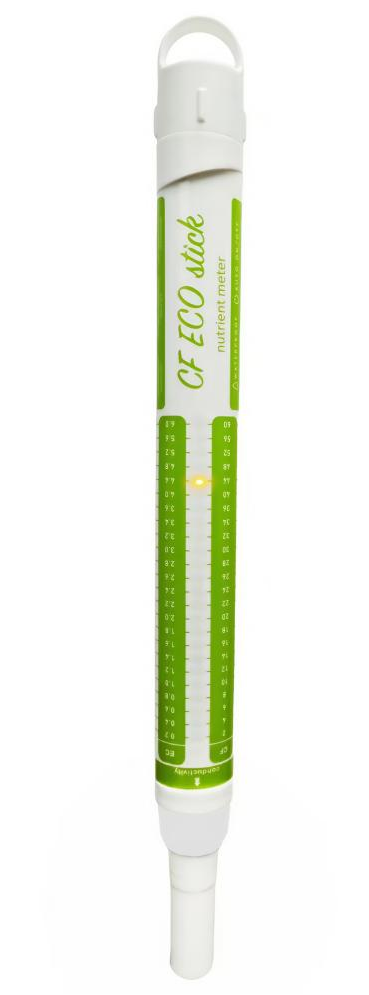 |
EC-98330 电导率营养测试棒 | 卖方: 科立龙电子股份有限公司 | 本营养测试仪适用于水培和农业应用,能够准确测量水中的营养液电导率(EC)单位为mS/cm,以及总溶解固体(TDS)转换为百万分之一(ppm)。 适合需要较高EC值的植物,该测试仪具有高达6.0... |

