

Car seat center of gravity measuring tester

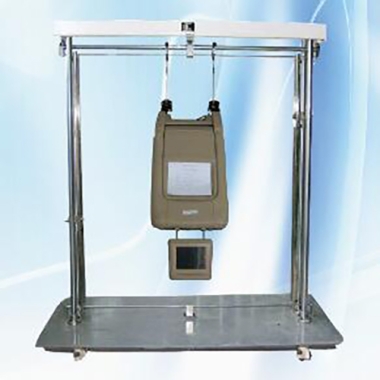
Main parameters:
| Parameter | Description |
|---|---|
| Measuring range | Refers to the maximum and minimum range of the center of gravity of the seat that the tester can measure. This parameter is usually determined according to the type and size of the seat to ensure that the tester can be adapted to different types of seats. |
| Measurement accuracy | Refers to the accuracy of the tester when measuring the center of gravity of the seat. High-precision measurements ensure the reliability of the test results, which can help manufacturers or developers better understand the distribution of the center of gravity of the seat and optimize the seat design. |
| Test method | The tester may use a variety of test methods to measure the center of gravity of the seat, such as drop method, horizontal method, etc. Different test methods may work for different types of seats or test needs. Therefore, when selecting the tester, it is necessary to clarify the test method used. |
| Maximum weighing weight | Refers to the maximum weight that the test instrument can weigh. This parameter is usually determined based on the weight of the seat to ensure that the tester can withstand the weight of the seat without damage. |
| Angular resolution | The smallest angular change that the tester can resolve when measuring the center of gravity of the seat. The high accuracy of the angular resolution ensures the accuracy of the measurement results, which helps the manufacturer or developer to understand the center of gravity position of the seat more precisely. |
| Structural characteristics | The structural characteristics of the tester may include the use of aluminum alloy profile frame structure, suspension weighing system, etc. These structural features ensure the stability and durability of the tester, thereby improving the accuracy and reliability of the test. |
在线联系供应商
Other supplier products
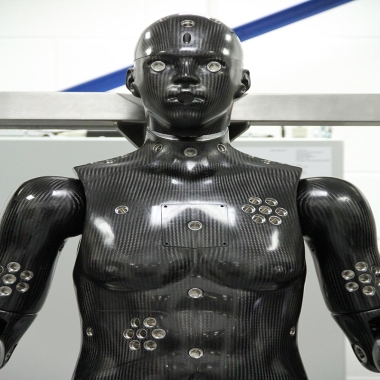 |
Porton Thermal Manikin Equipment | Product Introduction: Porton-man was commissioned by the Defense Science and Technology Laboratory (DSTL) to accurately represent military users. ... |
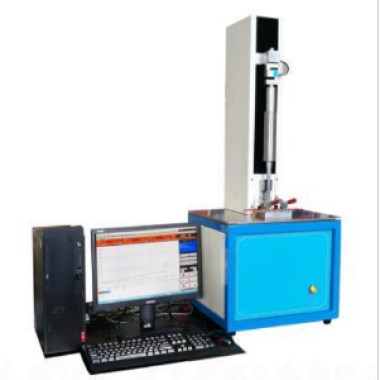 |
Aerospace Fluorine-containing Wire Dynamic Cutting Through Tester | Applicable standards: GJB773B and other standards in the annex G dynamic cutting test requirements Applicable industry: This instrument is the... |
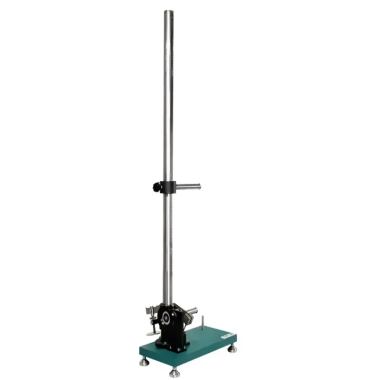 |
Yarn Loop Length Tester | Compliance Standards FZ/T 70001-2003. FZ/T 71004-2003 Scope of Application Determines loop length of various yarns and knitted loops. Verifies c... |
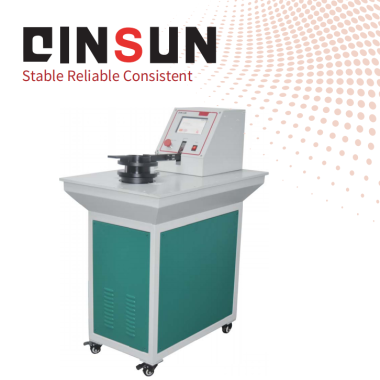 |
Air Permeability Tester-QINSUN | Air Permeability Tester of textile fabrics complies with ASTM D737. ISO 9237/7231. BS 5636. etc. It is used to test the resistance of the flow of a... |
 |
STD19 spray ball for 5 gallon water bottle cleaning,rotary spray ball | STD 19 rotary spray ball for 5 gallon water bottle cleaning Rotary spray ball for small tank Rotary cleaning nozzle for small tank container Rot... |
Same products
 |
Seat Bumping and Creep Test Bench | 卖方: Standard International Group (HK) Limited | This test bench is used for simulating the car seat bumping and creep situation when a car is run... |
 |
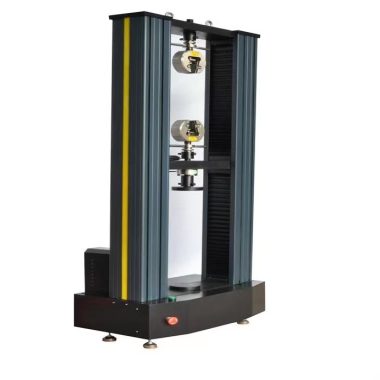
Automobile seat belt fixed point test bench | 卖方: Standard International Group (HK) Limited | Applicable standards: National mandatory standards: GB 15083-2006"Automobile seats, seat fixtur... |
 |
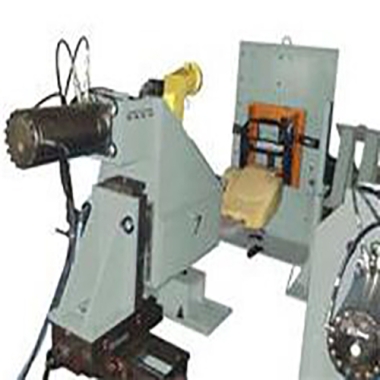
Impact strength tester for car seat headrest | 卖方: Standard International Group (HK) Limited | Applicable standards: GB 15083-2006 "Automobile seats, seat fixtures and headrest strength requi... |
 |
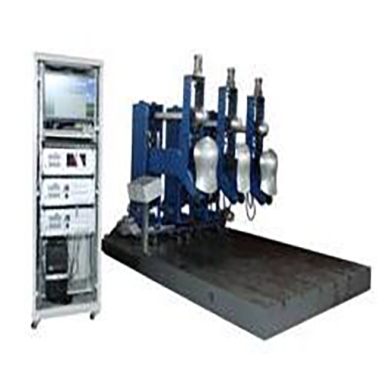
Impact strength tester for car seat launching headrest | 卖方: Standard International Group (HK) Limited | Main parameters: Impact speed:The impact speed of the tester is usually between 25 and 30km/h, w... |
 |
Automobile Headrest Strength Tester | 卖方: Standard International Group (HK) Limited | Applicable standards: GB 11550-2009"Automobile seat headrest strength requirements and test me... |

