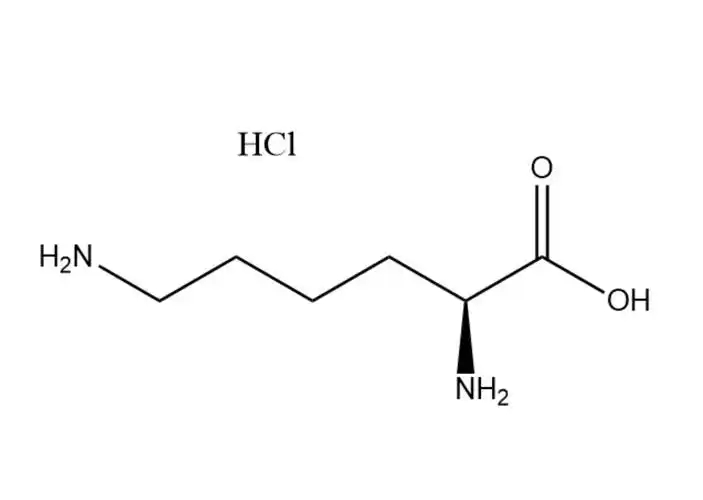
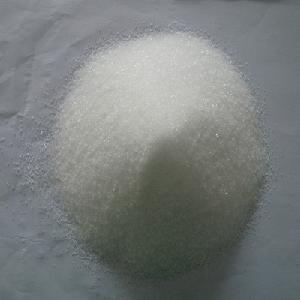
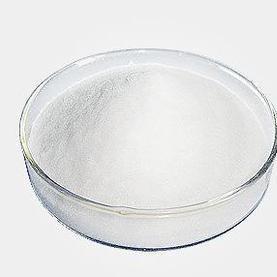
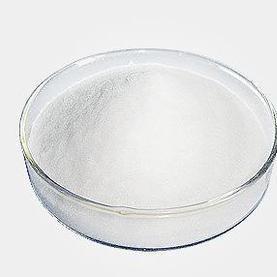
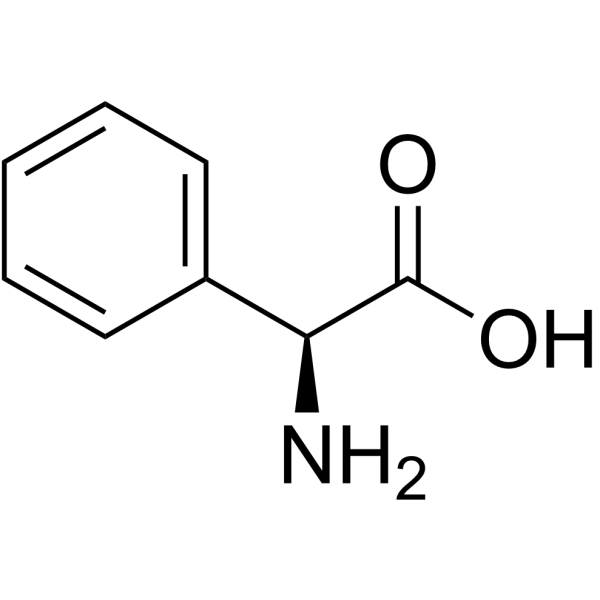
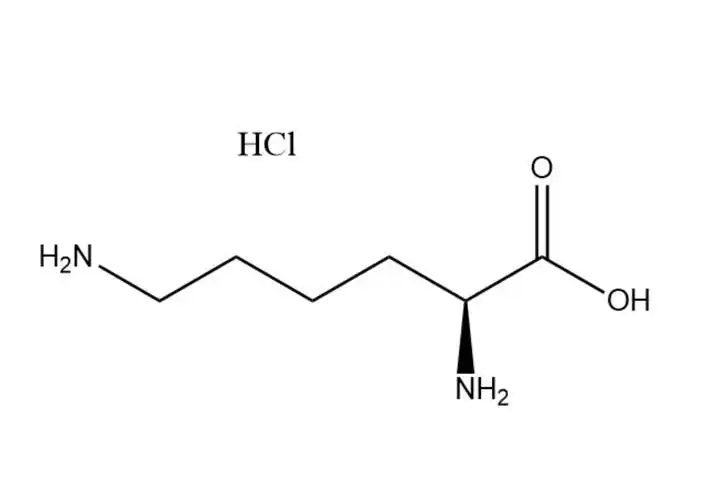
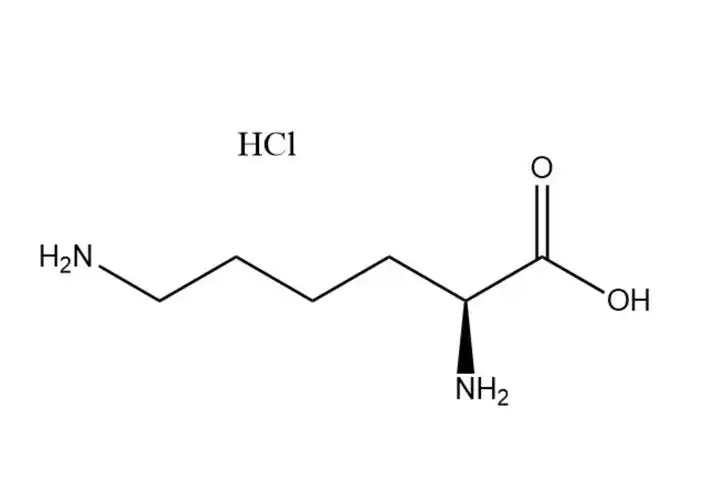
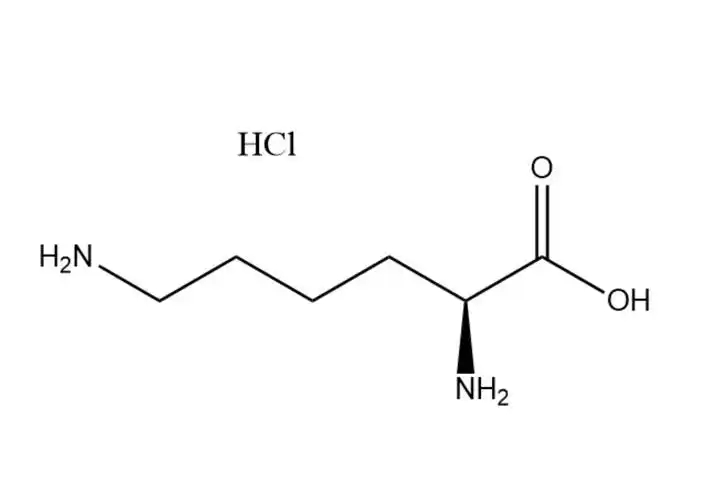
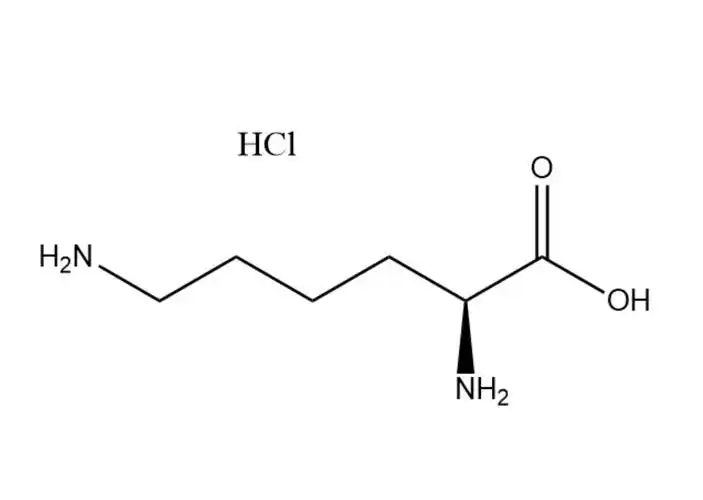
High purity L-lysine monohydrochloride
In industrial production and application, the following physicochemical properties are the core quality control indices for L-lysine monohydrochloride (compliant with USP 47, EP 10, ChP 2020, and FAO/WHO food/feed standards):
- Assay (content): ≥98.5% (acid-base titration method).
- Specific rotation: +20.3° to +21.5° (10% w/v aqueous solution, 25 °C).
- Loss on drying: ≤0.5% (105 °C, 3 h)— no water of crystallization.
- Residue on ignition: ≤0.1%— low inorganic impurity content.
- Chloride content: 19.0–19.8% (titration with AgNO3)— confirms the hydrochloride salt stoichiometry.
- Heavy metals: ≤10 ppm (Pb²⁺ as reference)— meets food/ pharmaceutical safety standards.
- Arsenic: ≤1 ppm— ultra-low toxic impurity content.
- pH: 5.0–6.0 (10% w/v aqueous solution)— near neutral, no irritation to gastrointestinal tract.
Other supplier products
|
|
DL-Alanine Purchase price |
DL-Alanine is thermally stable under normal conditions but is sensitive to prolonged high temperatures, which may cause partial decomposition (e.g.... |
|
|
Specific Application Fields of Inositol |
Specific Application Fields of Inositol 1. Food and Functional Nutrition Industry As a natural nutritional fortifier and vitamin B-group substance,... |
|
|
DL-Alanine Raw Material |
DL-Alanine is not naturally abundant in living organisms (most life forms primarily use L-Alanine as a building block for proteins). It is mainly p... |
|
|
Inositol as an important nutritional fortifier in food |
Inositol is used as an important nutritional fortifier in food. As a natural vitamin‑like nutrient, it can supplement daily physiological nutrients... |
|
|
L-proline Bulk supply |
The physiological functions and applications of L-proline1. Functions within living organismsCollagen synthesis: As the main component of collagen ... |
All supplier products
Same products