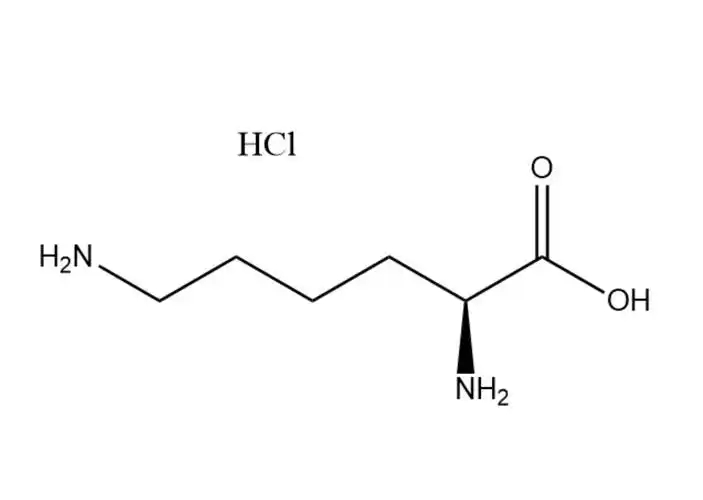
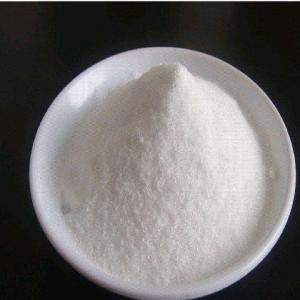
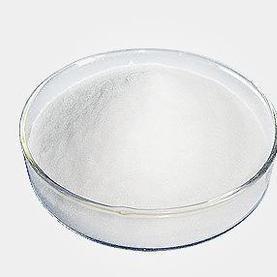
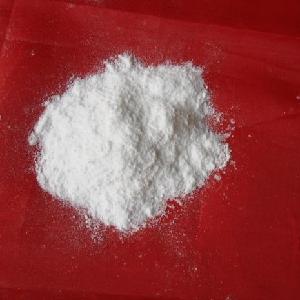
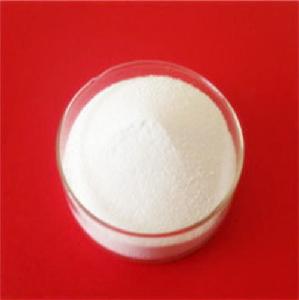
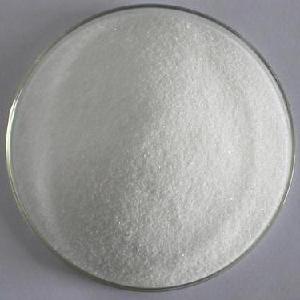
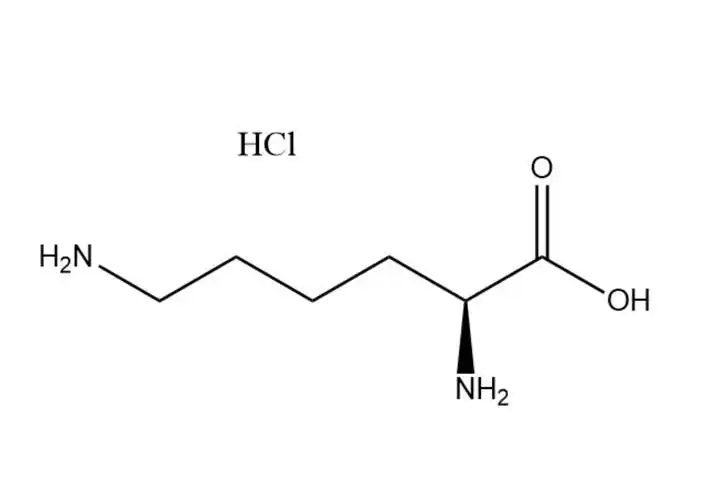
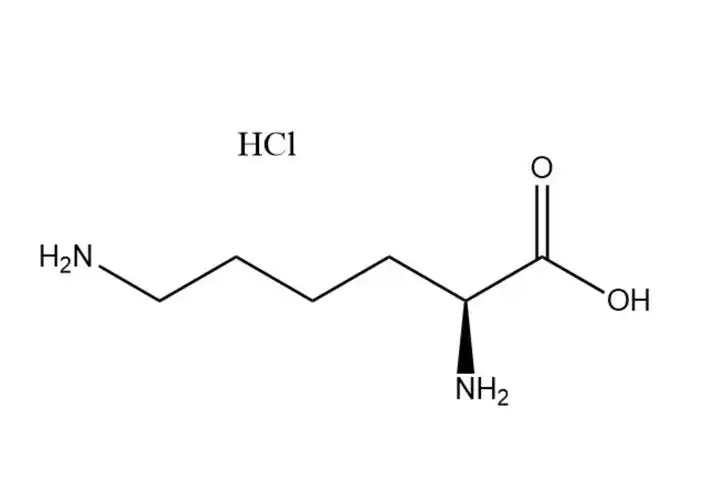
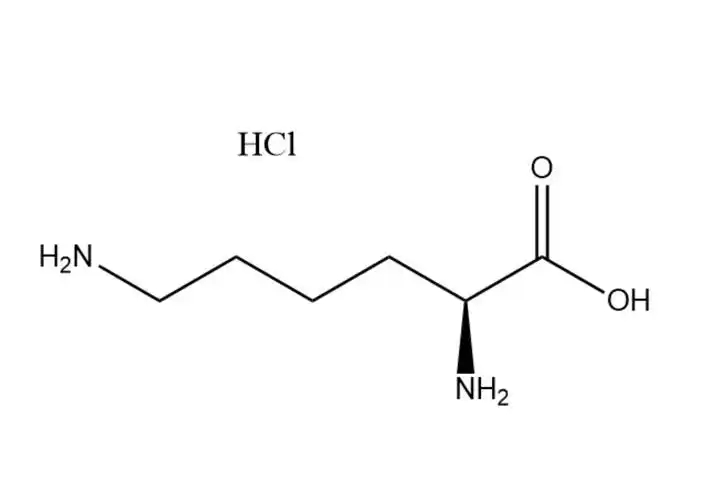
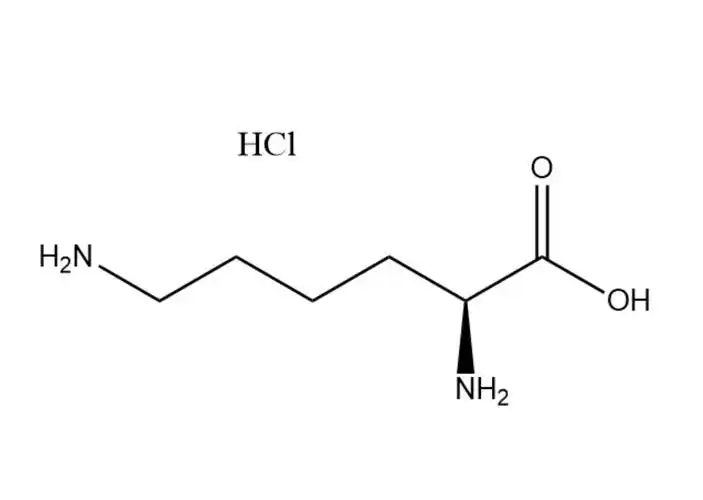
L-lysine monohydrochloride
In industrial production and application, the following physicochemical properties are the core quality control indices for L-lysine monohydrochloride (compliant with USP 47, EP 10, ChP 2020, and FAO/WHO food/feed standards):
- Assay (content): ≥98.5% (acid-base titration method).
- Specific rotation: +20.3° to +21.5° (10% w/v aqueous solution, 25 °C).
- Loss on drying: ≤0.5% (105 °C, 3 h)— no water of crystallization.
- Residue on ignition: ≤0.1%— low inorganic impurity content.
- Chloride content: 19.0–19.8% (titration with AgNO3)— confirms the hydrochloride salt stoichiometry.
- Heavy metals: ≤10 ppm (Pb²⁺ as reference)— meets food/ pharmaceutical safety standards.
- Arsenic: ≤1 ppm— ultra-low toxic impurity content.
- pH: 5.0–6.0 (10% w/v aqueous solution)— near neutral, no irritation to gastrointestinal tract.
Другие товары поставщика
|
|
High quality Sucralose |
Safety Information for SucraloseDangerous Goods Mark: XiDangerous Goods Classification Code: 36/37/38Safety Instructions: 26 - 37/39 - 24/25WGK Ger... |
|
|
Main Applications of Inositol |
Main Applications of Inositol 1. Health food and nutritional supplements As a vital nutrient, inositol regulates lipid metabolism, protects the liv... |
|
|
L-Phenylalanine Manufacturer |
Uses of L-Phenylalanine 1. Precursor to Neurotransmitters: ·Dopamine: L-Phenylalanine is converted into tyrosine, which in turn is used to p... |
|
|
L-Methionine powder |
The sulfur-containing side chain of L-Methionine contributes to the structural integrity of keratin (the primary protein in skin, hair, and nails):... |
|
|
Glycine |
Glycine is a non-essential amino acid naturally present in the human body and is also a substance internationally recognized as having extremely hi... |
Все товары поставщика
Похожие товары