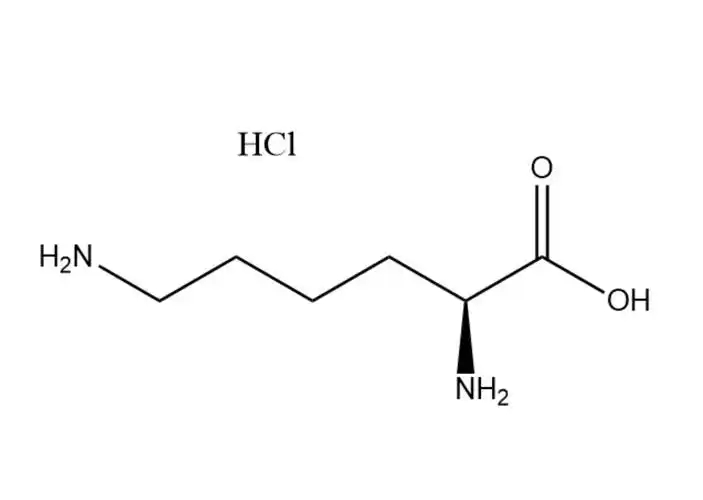
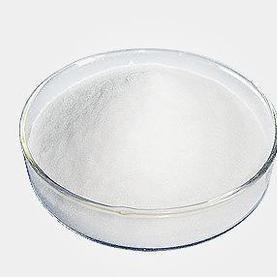
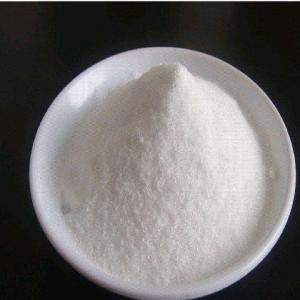
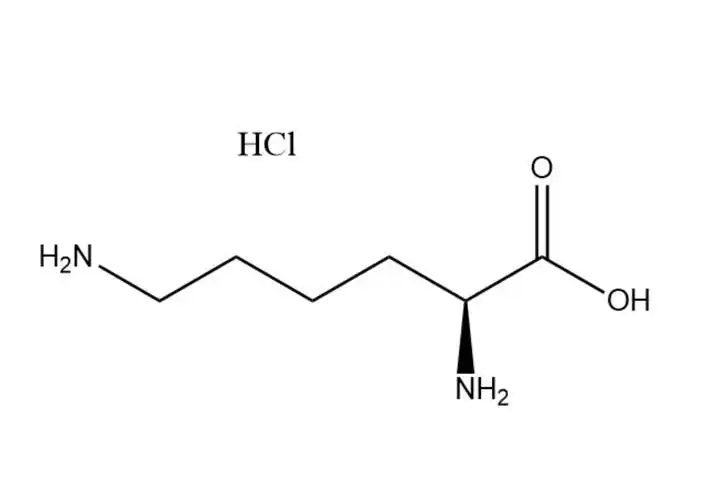
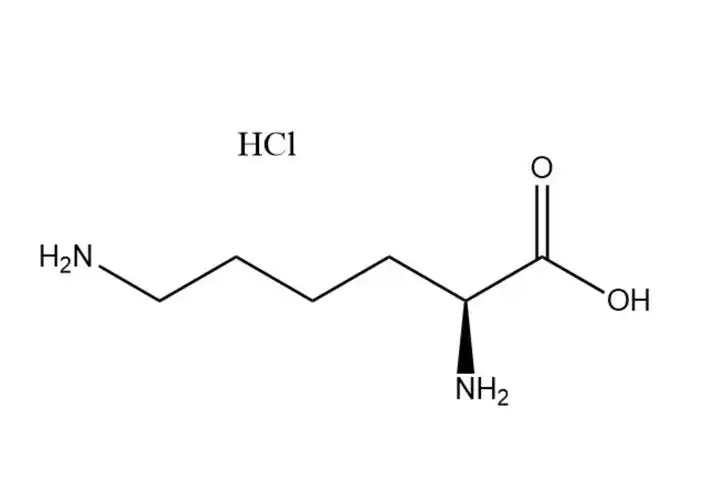
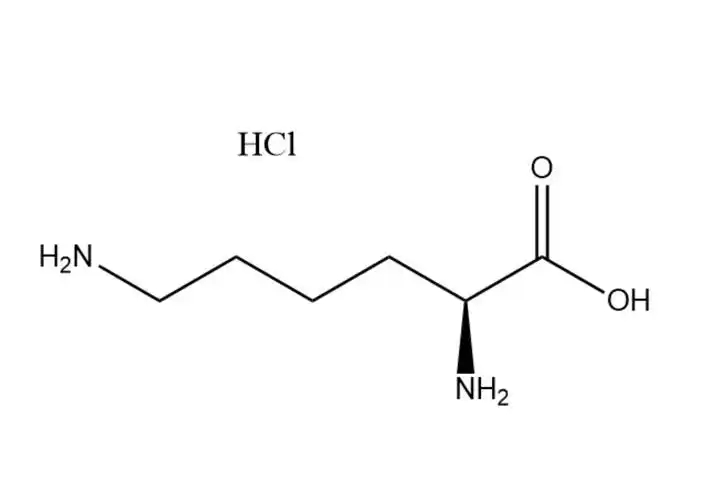
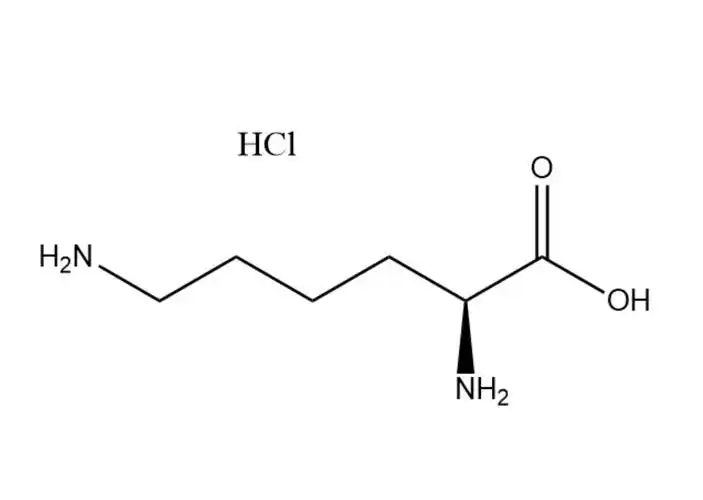
L-lysine monohydrochloride
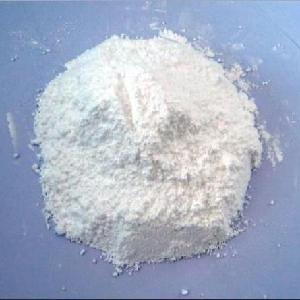
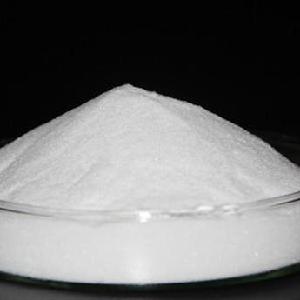
In industrial production and application, the following physicochemical properties are the core quality control indices for L-lysine monohydrochloride (compliant with USP 47, EP 10, ChP 2020, and FAO/WHO food/feed standards):
- Assay (content): ≥98.5% (acid-base titration method).
- Specific rotation: +20.3° to +21.5° (10% w/v aqueous solution, 25 °C).
- Loss on drying: ≤0.5% (105 °C, 3 h)— no water of crystallization.
- Residue on ignition: ≤0.1%— low inorganic impurity content.
- Chloride content: 19.0–19.8% (titration with AgNO3)— confirms the hydrochloride salt stoichiometry.
- Heavy metals: ≤10 ppm (Pb²⁺ as reference)— meets food/ pharmaceutical safety standards.
- Arsenic: ≤1 ppm— ultra-low toxic impurity content.
- pH: 5.0–6.0 (10% w/v aqueous solution)— near neutral, no irritation to gastrointestinal tract.
Other supplier products
|
|
In functional foods and health supplements |
Inositol is a core active ingredient in functional foods and health supplements. As a special vitamin‑like substance, it regulates human glucose an... |
|
|
High quality Sucralose |
Safety Information for SucraloseDangerous Goods Mark: XiDangerous Goods Classification Code: 36/37/38Safety Instructions: 26 - 37/39 - 24/25WGK Ger... |
|
|
DL-methionine powder |
DL-Methionine has good biocompatibility and unique metabolic characteristics, making it a raw material for drug synthesis and a component of biomed... |
|
|
High quality |
The storage methods for L-Cysteine hydrochloride monohydrate are crucial to maintain its stability and functionality, primarily due to its hygrosco... |
|
|
L-Glutamine |
Some key points about L-Glutamine:Biological Role: L-Glutamine is one of the 20 standard amino acids encoded by the genetic code and is classified ... |
供应产品
Same products