

Electrode Electrolyte Wetting Testing System

Whats/App: +86 156 1874 6768
Web: standard-groups.com
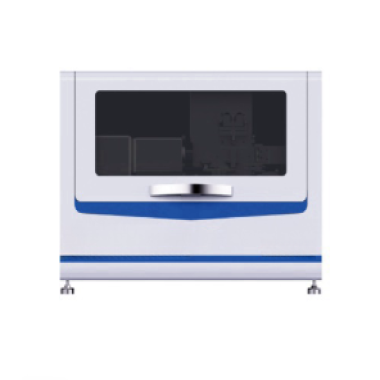
The Electrode Electrolyte Wetting Testing System is a high-precision instrument designed to evaluate the wetting behavior of electrolytes on lithium-ion battery electrodes, specifically negative electrode sheets. The system uses in-situ real-time imaging to characterize electrolyte absorption rates and penetration kinetics, providing critical data for battery R&D, quality control, and optimization of electrode compaction and porosity. The instrument ensures stable, repeatable measurements through an advanced vision-based testing system.
Application
(1) Measurement of electrolyte wetting rates on negative electrode sheets of lithium-ion batteries.
(2) Analysis of the effect of electrode compaction on electrolyte penetration and absorption.
(3) Comparison of electrolyte liquid absorption heights for electrodes with varying compaction densities.
(4) Quality assessment and R&D of electrode manufacturing processes to optimize porosity and wettability.
(5) Example Case: Wettability ranking of four electrodes with different compaction densities:
1 (1.35 g/cm³) > 2 (1.5 g/cm³) > 3 (1.6 g/cm³) > 4 (1.65 g/cm³)
Standards
(1) ASTM D724-98 – Standard Test Method for Surface Wettability of Paper (adapted for battery electrodes).
(2) ISO 8296 – Plastics: Determination of Wettability of Film and Sheeting.
(3) DIN 53901 – Testing of Coating Materials: Determination of Contact Angle.
(4) RoHS Compliance – Restriction of Hazardous Substances.
(5) CE Certification – Conformité Européenne.
Features
(1) High-precision vision testing system ensures stable and repeatable measurements.
(2) In-situ, real-time characterization of electrolyte wetting on negative electrode sheets.
(3) Capable of testing electrodes with different compaction densities to assess porosity effects.
(4) Quantitative analysis of electrolyte absorption and penetration kinetics.
(5) Non-destructive testing preserves sample integrity.
(6) Small-volume electrolyte dispensing (2 μL) ensures precise measurement for micro-scale electrodes.
Parameters
| Parameter | Specification |
|---|---|
| Pressure Control Range | 0–500 g |
| Pressure Resolution / Accuracy | 0.01 g / ±0.3% F.S |
| Single-Pixel Precision | 10 μm |
| Liquid Absorption Capacity | 2 μL |
| Electrode Dimensions | 29 × 29 mm |
Accessories
(1) Vision testing camera and lens system with high-resolution imaging.
(2) Electrode sample holders (compatible with 29 × 29 mm samples).
(3) Programmable micropipette for precise 2 μL electrolyte dispensing.
(4) Software suite for real-time wetting rate analysis and curve plotting.
(5) Calibration kits for pressure and imaging accuracy.
(6) Multilingual user manual with maintenance guidelines.
Test Procedures
(1) Mount the negative electrode sheet in the sample holder.
(2) Set the pressure control parameters and dispense the electrolyte (2 μL) onto the electrode surface.
(3) Start the high-precision vision system to record electrolyte absorption in real-time.
(4) Analyze the wetting rate, absorption height, and penetration dynamics using the software suite.
(5) Compare results for electrodes with different compaction densities to evaluate wettability.
(6) Export data and generate reports for R&D or quality control purposes.
Maintenance Information
(1) Regularly clean sample holders, dispensing system, and camera lens to avoid residue buildup.
(2) Calibrate pressure system and vision system periodically to maintain measurement accuracy.
(3) Inspect mechanical components and connectors for wear or damage before testing.
(4) Keep software and data acquisition systems updated and free from dust or moisture.
(5) Store the instrument in a clean, vibration-free, and controlled environment.
Send product request
Other supplier products
 |
SUGA GX75 7.5kW Xenon Weather Meter | Whats/App: +86 156 1874 6768 Web: standard-groups.com Applications SUGA GX75 7.5kW Xenon Weather Meter is designed to artificially reproduce ind... |
 |
Metal Corrosivity Tester | Whats/App: +86 156 1874 6768 Web: standard-groups.com The Metal Corrosivity Tester is used to determine the corrosivity of liquids and solids tha... |
 |
Vertical Universal Friction and Wear Testing Machine | ASTM Tribometer | Get a quote: Whats/App: +86 156 1874 6768 Web: standard-groups.com The Vertical Universal Friction and Wear Testing Machine is a high-performanc... |
 |
Geomembrane Hydrostatic and Permeability Tester | Whats/App: +86 156 1874 6768 Web: standard-groups.com As the most cost-effective hydrostatic pressure tester, the Geomembrane Hydrostatic and Per... |
 |
ISO 20485 Industrial leakage testing equipment manufacturer | Get a quote: Whats/App: +86 156 1874 6768 Web: standard-groups.com The test rig is working at test air temperatures from -40°C up to 120°... |
Same products
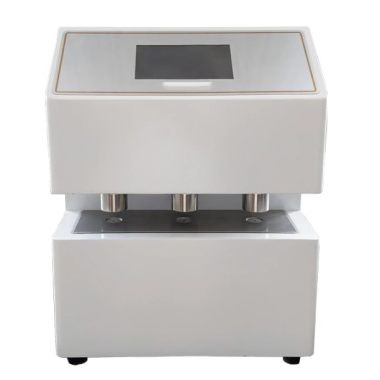 |
Battery Diaphragm Gas Permeability Tester ISO | Seller: Standard Groups | Get a quote: Whats/App: +86 185 0176 3615 Web: qinsun-lab.com The Battery Diaphragm Gas Permea... |
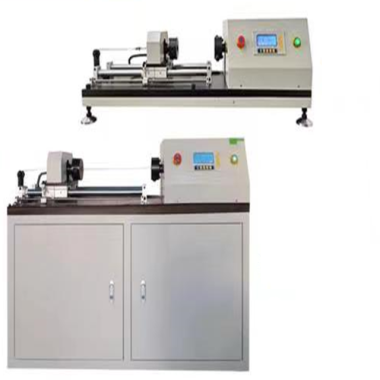 |
Torsion Testing Tester ASTM, JIS, and DIN | Seller: Standard Groups | Get a quote: Whats/App: +86 185 0176 3615 Web: qinsun-lab.com The Universal Torsion Testing Ma... |
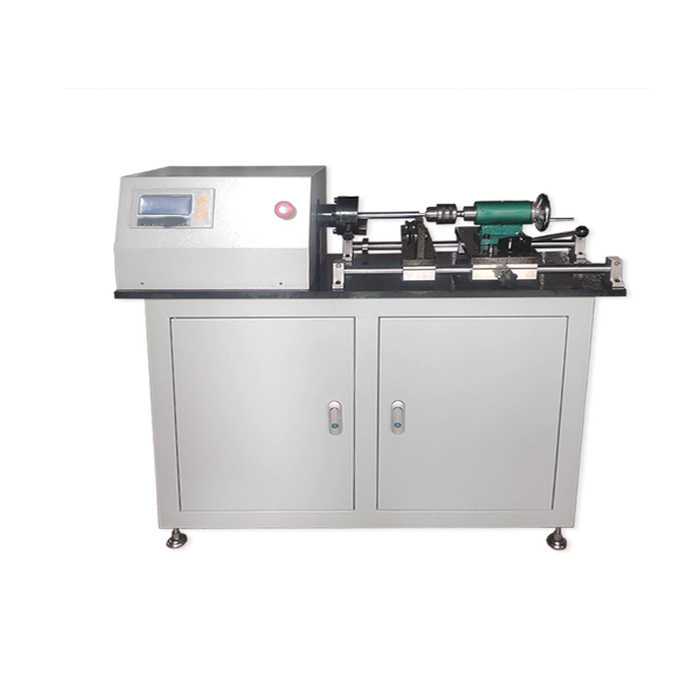 |
Wire Torsion and Winding Tester ASTM and JIS | Seller: Standard Groups | Get a quote: Whats/App: +86 185 0176 3615 Web: qinsun-lab.com The Wire Torsion and Winding Tes... |
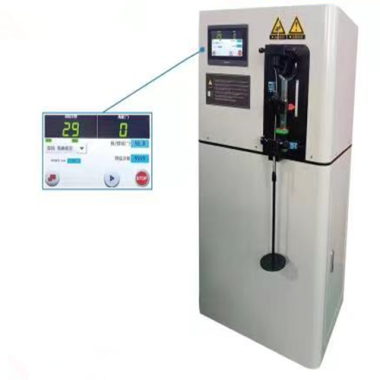 |
Metal Wire Repeated Bending Tester ISO/DIS 7801 | Seller: Standard Groups | Get a quote: Whats/App: +86 185 0176 3615 Web: qinsun-lab.com The Metal Wire Repeated Bending ... |
 |
Metal Wire Wrap Tester ISO 4101 | Seller: Standard Groups | Get a quote: Whats/App: +86 185 0176 3615 Web: qinsun-lab.com The Metal Wire Wrap Tester is de... |

