

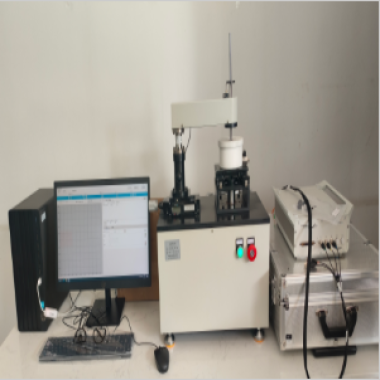
Electrochemical Corrosion and Wear Testing Machine

Whats/App: +86 156 1874 6768
Web: standard-groups.com
Electrochemical corrosion and wear testing machines are widely used in materials science, mechanical engineering, electronic engineering, aerospace, and other fields. These devices can evaluate the tribological performance of materials in specific corrosive environments, helping researchers and engineers select, improve, and protect materials.
Applications
Material Screening: Metals, polymers, and coatings for automotive, aerospace, and offshore sectors.
Coating Optimization: Evaluation of DLC, ceramic, and anti-corrosion coatings under combined stress.
Tribological Design: Lubricant and surface treatment development for bearings and implants.
Quality Assurance: Batch consistency testing for corrosion-resistant components.
Standard
ASTM G119: A standard for evaluating synergistic corrosion-wear performance, particularly for biomedical implants in simulated body fluids.
ASTM G99: A pin-on-disc friction test method to measure material friction coefficients and wear resistance across industries like automotive and aerospace.
ISO 20808: A ball-on-disc test protocol for characterizing friction and wear behavior of monolithic advanced ceramics in precision engineering applications.
Product Advantages
Precision Dual-Mode Testing: Combines electrochemical corrosion analysis and friction-wear testing for comprehensive material degradation studies.
Real-World Simulation: Replicates combined mechanical stress and chemical exposure to accelerate performance validation.
High-Accuracy Measurements: 0.2% FS accuracy for load, friction, and corrosion data ensures reliable R&D decisions.
Flexible Configuration: Adjustable stroke, speed, and load ranges accommodate diverse testing protocols.
Compact Design: Space-efficient footprint (400×300×600 mm) with 50 kg weight for laboratory versatility.
Product Features
Electrochemical Corrosion Module:
Measures polarization curves and electrochemical impedance spectroscopy (EIS) in corrosive media.
Supports 300 ml electrolyte capacity for extended testing.
Friction-Wear Module:
Reciprocating sliding frequency: 0.1–5 Hz; adjustable stroke: 0.5–25 mm.
X/Z-axis travel: 0–40 mm (X) and 0–150 mm (Z) for multi-directional wear analysis.
Sample Versatility:
Lower specimen size: 30–80 mm; upper specimen: Ф4–Ф6 mm (ball/pin).
Ball sample reservoir: 120×90×50 mm for standardized testing.
Synergistic Testing: Simultaneous corrosion-wear evaluation for marine, chemical, and automotive applications.
Data Integration: Real-time friction (≤50 N) and corrosion metrics with CSV/Excel export.
Parameters
| Parameter | Specification |
|---|---|
| Test Load Range | 30–1000 g (weight loading); 10–50 N (automatic) |
| Accuracy | 0.2% FS (full scale) |
| Sliding Frequency | 0.1–5 Hz |
| Stroke Adjustment | 0.5–25 mm (reciprocating) |
| X/Z-Axis Travel | X: 0–40 mm; Z: 0–150 mm |
| Sample Sizes | Lower: 30–80 mm; Upper: Ф4–Ф6 mm |
| Electrolyte Capacity | 300 ml |
| Friction Measurement | ≤50 N; 0.2% FS accuracy |
| Main Unit Dimensions | 400 mm (W) × 300 mm (D) × 600 mm (H) |
| Weight | 50 kg |
| Power Supply | 220 VAC ±10%, 50/60 Hz, 1.5 kVA |
| Environmental Control | Temperature: -10°C–100°C (optional upgrade) |
Accessoriess
Corrosion testing chamber
Specially designed fixtures
Three-electrode system
Integrated electrochemical workstation
Specially designed liquid cell, etc.
Test Procedures
Prepare the sample by cutting or machining it to the appropriate size, and then polish and clean the sample surface.
Mount the prepared sample onto the fixture of the test platform, ensuring that the sample is securely mounted and has good contact with the counter-part.
Select a suitable electrolyte and pour it into the electrolyte tank, then install the electrode system and connect it to the electrochemical workstation.
Set the various test parameters on the control panel, including the loading force and friction speed for friction and wear testing, and the potential and current parameters for electrochemical corrosion testing.
After setting the parameters, perform a no-load test run to check if all machine components are functioning properly.
Once confirmed, officially start the test.
During the test, the operator should closely monitor the data changes on the display screen and observe the surface condition of the sample.
After the test is completed, turn off the machine power, remove the sample, observe and analyze the sample, record the test data, clean the equipment, drain the electrolyte, and perform cleaning and maintenance on the machine.
Send product request
Other supplier products
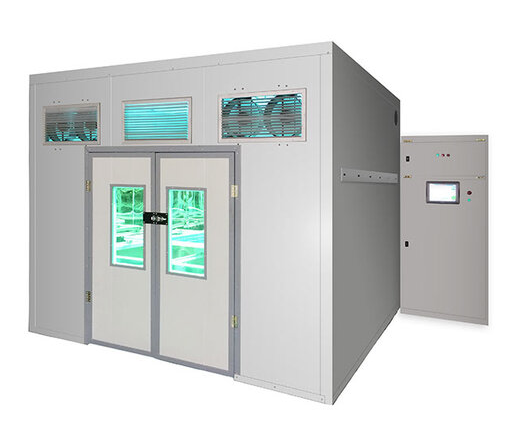 |
UV Weathering Test Chamber | Whats/App: +86 156 1874 6768 Web: standard-groups.com Application Ultraviolet aging performance evaluation of complete photovoltaic modules UV ... |
 |
Cable and fiber optic cable line integrity combustion testing machine | Whats/App: +86 156 1874 6768 Web: standard-groups.com The Cable and Fiber Optic Cable Line Integrity Combustion Testing Machine is designed to ev... |
 |
High-Speed Reciprocating Friction and Wear Tester (Model 2M) OEM Supplier | Get a quote: Whats/App: +86 156 1874 6768 Web: standard-groups.com The High-Speed Reciprocating Friction and Wear Tester (Model 2M) is designed ... |
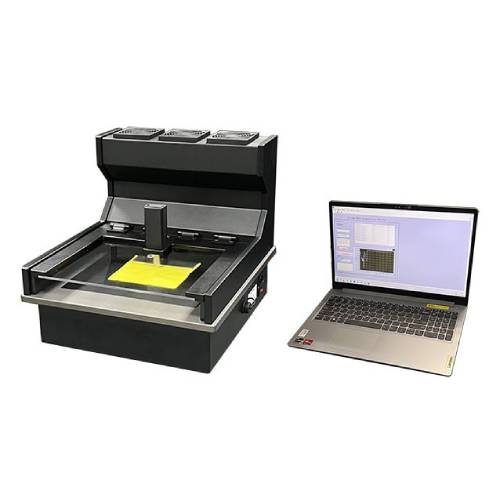 |
Heated Plate Drying Rate Tester | Whats/App: +86 156 1874 6768 Web: standard-groups.com Applications The Hot Plate Method Fabric Drying Rate Tester is an automated testing instru... |
 |
Automated syringe glide force tester | Whats/App: +86 156 1874 6768 Web: standard-groups.com Standards The instrument is designed to meet the following standards: (1) GB 15810-2001: ... |
Same products
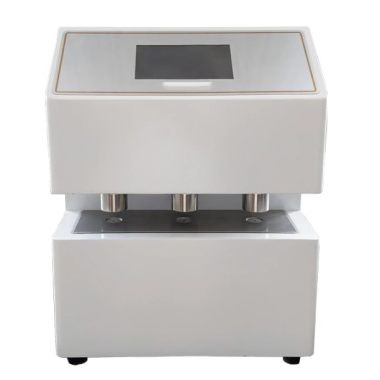 |
Battery Diaphragm Gas Permeability Tester ISO | Seller: Standard Groups | Get a quote: Whats/App: +86 185 0176 3615 Web: qinsun-lab.com The Battery Diaphragm Gas Permea... |
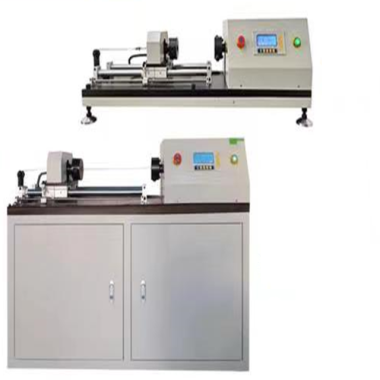 |
Torsion Testing Tester ASTM, JIS, and DIN | Seller: Standard Groups | Get a quote: Whats/App: +86 185 0176 3615 Web: qinsun-lab.com The Universal Torsion Testing Ma... |
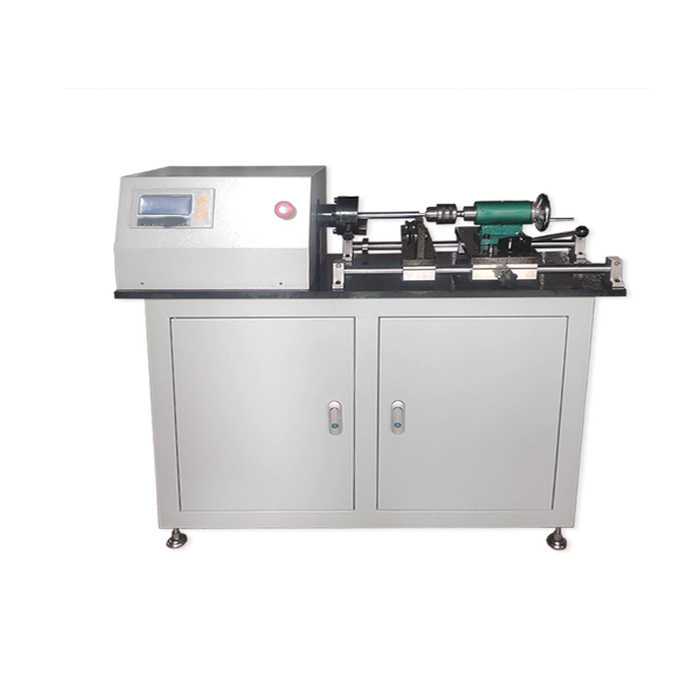 |
Wire Torsion and Winding Tester ASTM and JIS | Seller: Standard Groups | Get a quote: Whats/App: +86 185 0176 3615 Web: qinsun-lab.com The Wire Torsion and Winding Tes... |
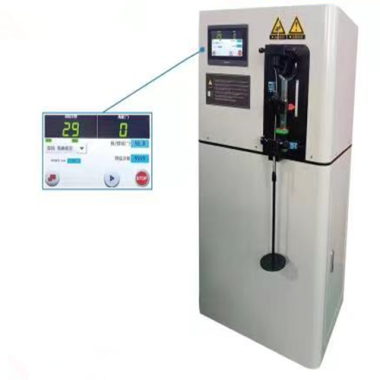 |
Metal Wire Repeated Bending Tester ISO/DIS 7801 | Seller: Standard Groups | Get a quote: Whats/App: +86 185 0176 3615 Web: qinsun-lab.com The Metal Wire Repeated Bending ... |
 |
Metal Wire Wrap Tester ISO 4101 | Seller: Standard Groups | Get a quote: Whats/App: +86 185 0176 3615 Web: qinsun-lab.com The Metal Wire Wrap Tester is de... |

