L-Methionine in Food and Nutritional Fortification Applications

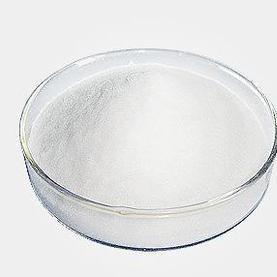
L-Methionine in Food and Nutritional Fortification Applications In the food industry, L-Methionine is primarily used as a nutritional fortifier to improve the amino acid balance and nutritional value of food products, targeting specific populations with increased requirements: Infant Formulas: Infants have high demands for essential amino acids to support rapid growth and development. L-Methionine is added to infant formulas (at 20–30 mg per 100 kcal) to meet the recommended intake, ensuring complete protein synthesis and avoiding developmental delays caused by deficiency. It is also included in follow-up formulas for toddlers to maintain nutritional continuity. Functional Foods and Dietary Supplements: It is a key component of protein powders (whey, plant-based, and mixed protein formulations), sports nutrition products (energy bars, recovery drinks), and amino acid supplements. Athletes and fitness enthusiasts use L-Methionine-supplemented products to support muscle protein synthesis, reduce exercise-induced oxidative damage, and accelerate recovery. For vegetarians and vegans, who often have limited intake of sulfur-containing amino acids from plant sources, L-Methionine-fortified plant-based meats, soy products, and meal replacements help balance their amino acid profiles. Fortified Cereals and Snacks: Added to breakfast cereals, oatmeal, and nutritional snacks to enhance their protein quality, especially for populations with unbalanced diets (e.g., adolescents, the elderly) who may lack essential amino acids.
Другие товары поставщика
|
|
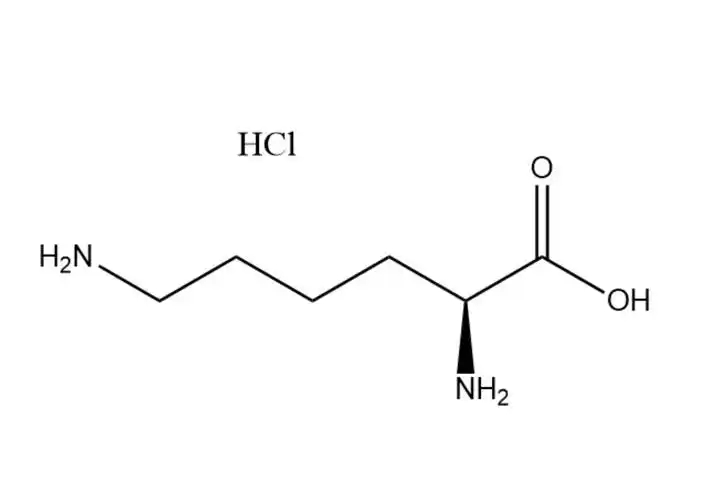
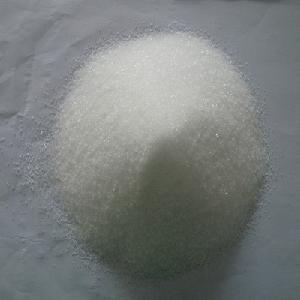
L-Lysine monohydrochloride |
Basic Molecular and Structural Characteristics
Molecular weight: 182.65 g/mol (free L-lysine: 146.19 g/mol; the hydrochloride moiety increas... |
|
|
L-Cysteine hydrochloride monohydrate |
Packaging Requirements1. Primary PackagingSealable Bags/Bottles: Use hermetically sealed bags (e.g., foil-lined packages) or airtight bottles with ... |
|
|
DL-Alanine |
DL-Alanine is a racemic mixture of two optical isomers: L-Alanine (L-α-alanine) and D-Alanine (D-α-alanine). As a type of α-amino... |
|
|
Transport method of Inositol |
Transport Method of Inositol 1. Basic transport properties Inositol is a stable, non-toxic, non-flammable and non-explosive white crystalline powde... |
|
|
DL-Alanine |
DL-Alanine is not a direct, primary food preservative like traditional preservatives (e.g., Nisin, sodium benzoate, potassium sorbate) whose core f... |
Все товары поставщика
Похожие товары
|
|
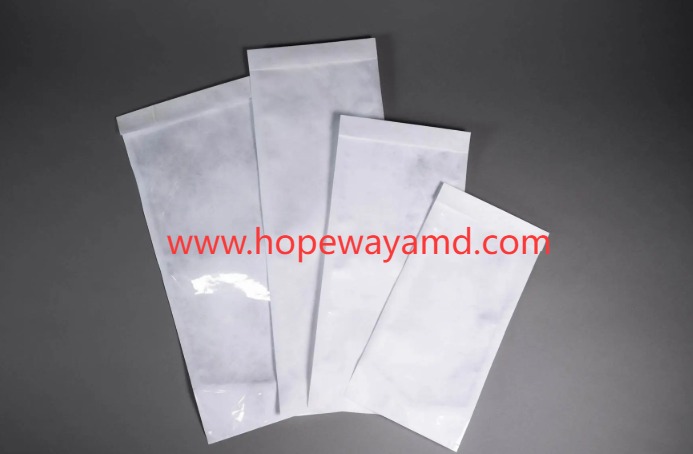
Heat Sealing Sterilization Pouch |
Продавец: Hopeway AMD |
Heat Sealing Sterilization Pouch is designed for secure medical instrument packaging, supporting ... |
|
|
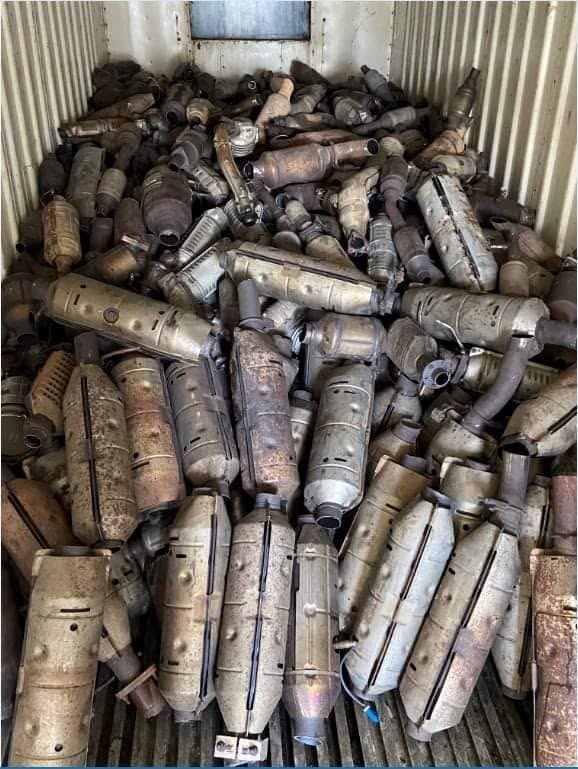
Catalytic Converter Scrap Supplier, Catalytic Converter Scrap for Sale, , Catalytic Converter Scrap, Catalytic Scrap for Sale, Catalytic Scrap Supplier, Scrap Catalytic Supplier |
Продавец: Trucont LLC |
В компании Trucont LLC мы постоянно предлагаем лом каталитических преобразователей для немедленно... |
|
|
Epimedium Extract |
Продавец: Fruit Powder,Vegetable Powder |
Product Name: Epimedium ExtractLatin Name: Epimedium Sagittatum Maxim.Specification: Icariin 5%, ... |
|
|
Pumpkin Powder |
Продавец: Fruit Powder,Vegetable Powder |
Product Name: Pumpkin PowderLatin Name: Cucurbita pepo L.Used Part: FruitAppearance: yellow fine ... |
|
|
Broccoli Powder |
Продавец: Fruit Powder,Vegetable Powder |
Product Name: Broccoli powder
Latin Name: Brassica oleracea L.var.italic Planch.
Used Part: Who... |