L-Methionine in Food and Nutritional Fortification Applications

L-Methionine in Food and Nutritional Fortification Applications In the food industry, L-Methionine is primarily used as a nutritional fortifier to improve the amino acid balance and nutritional value of food products, targeting specific populations with increased requirements: Infant Formulas: Infants have high demands for essential amino acids to support rapid growth and development. L-Methionine is added to infant formulas (at 20–30 mg per 100 kcal) to meet the recommended intake, ensuring complete protein synthesis and avoiding developmental delays caused by deficiency. It is also included in follow-up formulas for toddlers to maintain nutritional continuity. Functional Foods and Dietary Supplements: It is a key component of protein powders (whey, plant-based, and mixed protein formulations), sports nutrition products (energy bars, recovery drinks), and amino acid supplements. Athletes and fitness enthusiasts use L-Methionine-supplemented products to support muscle protein synthesis, reduce exercise-induced oxidative damage, and accelerate recovery. For vegetarians and vegans, who often have limited intake of sulfur-containing amino acids from plant sources, L-Methionine-fortified plant-based meats, soy products, and meal replacements help balance their amino acid profiles. Fortified Cereals and Snacks: Added to breakfast cereals, oatmeal, and nutritional snacks to enhance their protein quality, especially for populations with unbalanced diets (e.g., adolescents, the elderly) who may lack essential amino acids.
Other supplier products
|
|
DL-methionine |
The chemical stability of DL-methionine is affected by factors such as pH, temperature, light, and oxidants, which directly determine its storage c... |
|
|
Chemical |
L-Methionine plays a pivotal role in maintaining liver function and preventing lipid accumulation: It promotes fatty acid oxidation: By supporting ... |
|
|
L-Cysteine hydrochloride monohydrate |
Hygroscopic Properties of L-Cysteine hydrochloride monohydrateL-Cysteine hydrochloride monohydrate readily forms hydrates or dissolves in absorbed ... |
|
|
DL-Alanine |
DL-Alanine’s uses span multiple fields, leveraging its amino acid properties and cost-effectiveness (it is often cheaper to produce than pure... |
|
|
Sucralose |
Sucralose is a non-nutritive sweetener that is widely used in industries such as beverages, food, medicine, and cosmetics. As it is a new type of n... |
供应产品
Same products
|
|
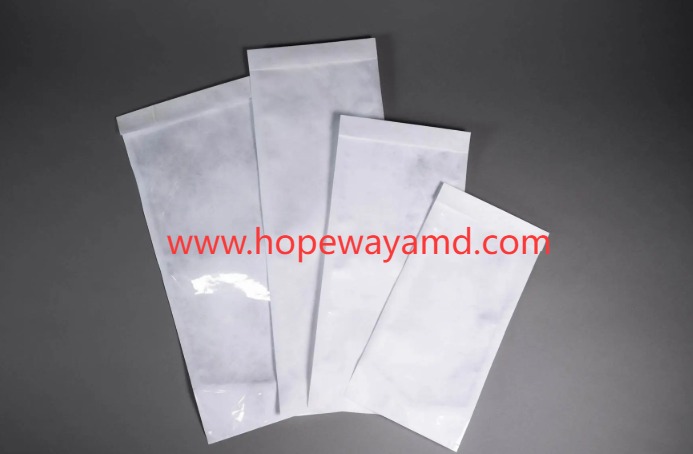
Heat Sealing Sterilization Pouch |
卖方: Hopeway AMD |
Heat Sealing Sterilization Pouch is designed for secure medical instrument packaging, supporting ... |
|
|
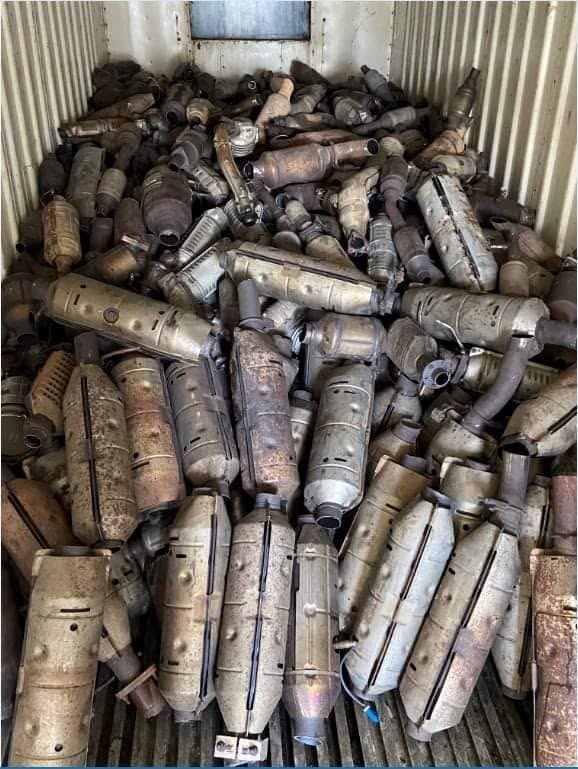
Catalytic Converter Scrap Supplier, Catalytic Converter Scrap for Sale, , Catalytic Converter Scrap, Catalytic Scrap for Sale, Catalytic Scrap Supplier, Scrap Catalytic Supplier |
卖方: Trucont LLC |
Trucont LLC 持续供应催化转化器废料,可立即装运发货。我们为全球各地的回收公司、金属加工商、汽车回收商、废料贸易商和买家提供优质的催化转化器废料。我们的催化转化器废料经过精心收集、分类... |
|
|
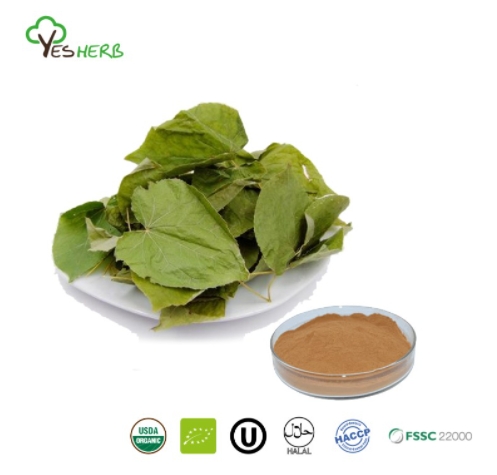
Epimedium Extract |
卖方: Fruit Powder,Vegetable Powder |
Product Name: Epimedium ExtractLatin Name: Epimedium Sagittatum Maxim.Specification: Icariin 5%, ... |
|
|
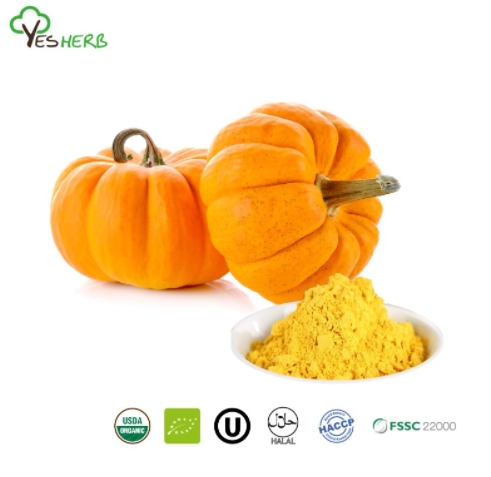
Pumpkin Powder |
卖方: Fruit Powder,Vegetable Powder |
Product Name: Pumpkin PowderLatin Name: Cucurbita pepo L.Used Part: FruitAppearance: yellow fine ... |
|
|
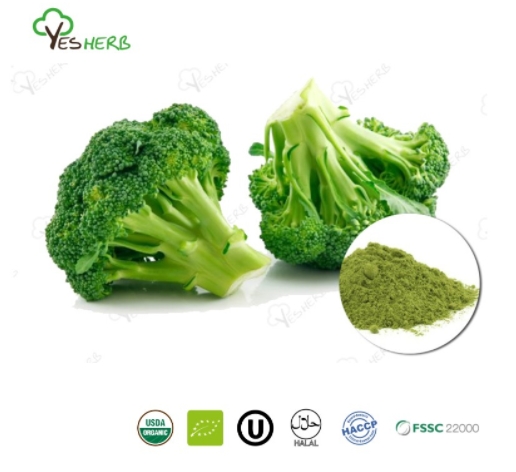
Broccoli Powder |
卖方: Fruit Powder,Vegetable Powder |
Product Name: Broccoli powder
Latin Name: Brassica oleracea L.var.italic Planch.
Used Part: Who... |