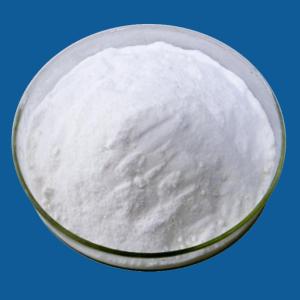
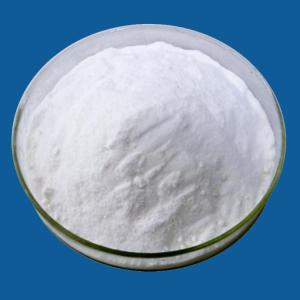
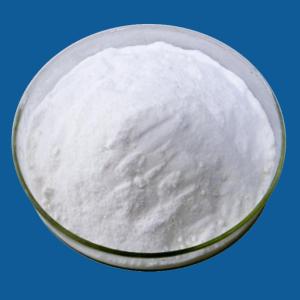
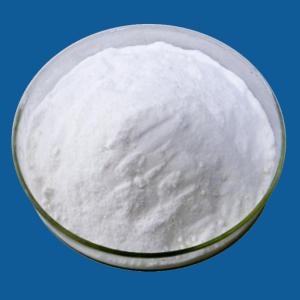
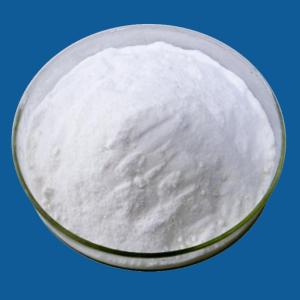
Glycine
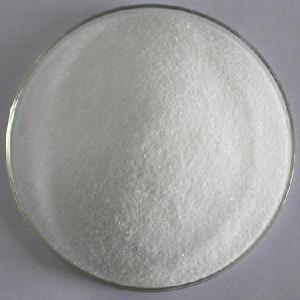
In the field of biological research and laboratories, glycine is one of the most commonly used biochemical reagents. It is the basic monomer for protein and polypeptide synthesis, and is also a key component in preparing electrophoresis buffers, eluents, and lysis solutions. In experiments such as immunohistochemistry, protein blotting, and chromatographic analysis, glycine is often used for elution, blocking, and reaction termination. It is a fundamental reagent necessary for molecular biology, biochemistry, and cell biology laboratories.
Glycine has extended from a basic life substance to almost all important fields such as food, medicine, breeding, industry, and research, and is a key essential amino acid that supports modern industry, agriculture, and health industries.
Другие товары поставщика
|
|
L-Tyrosine |
L-Tyrosine is a versatile amino acid that supports brain health, mood regulation, stress response, and physical performance. It’s particularl... |
|
|
DL-methionine powder |
DL-Methionine, chemically known as DL-2-amino-4-(methylthio)butanoic acid, is a racemic mixture of L-methionine and D-methionine. As an essential s... |
|
|
L-Tyrosine |
Potential Benefits ·Improves mental clarity and cognitive performance. ·Enhances stress resilience and energy levels. ·Support... |
|
|
DL-Alanine Powder |
Special Notes for Different Grades (Food-Grade vs. Industrial-Grade) Food-grade DL-Alanine: Strictly follow food safety storage standards (e.g., co... |
|
|
L-Methionine |
Core Biological Functions of L-Methionine Protein Synthesis Precursor: As an essential amino acid, L-Methionine is a fundamental building block for... |
Все товары поставщика
Похожие товары