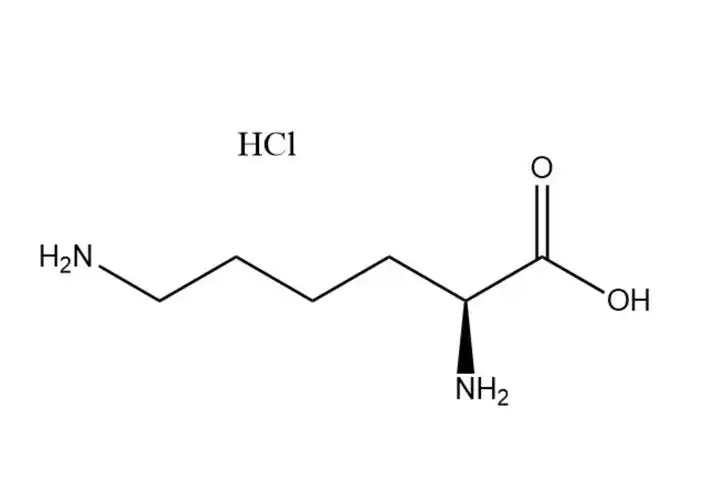
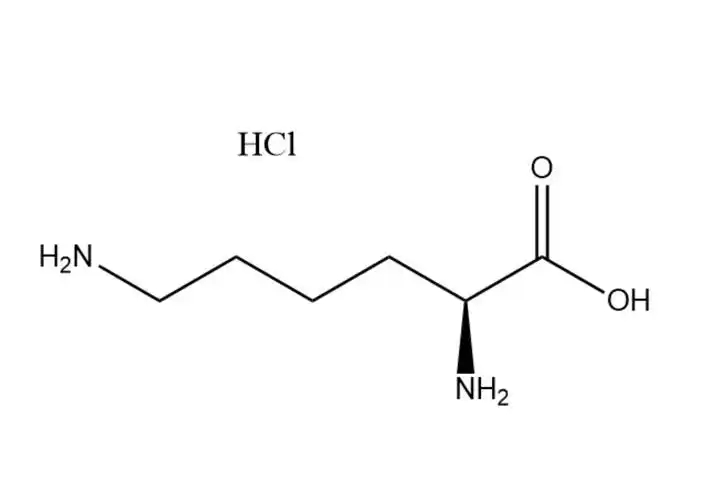
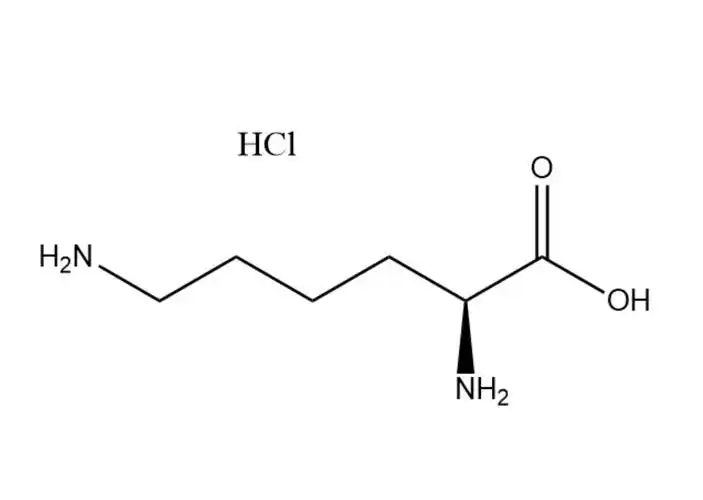
L-tryptophan
In food, L-tryptophan serves as a critical nutrient with two primary roles: Protein synthesis: As one of the 20 amino acids used to build proteins, it is essential for growth, tissue repair, and maintaining muscle mass—making it vital in foods for infants, children, and individuals with increased protein needs (e.g., athletes). Precursor for key biomolecules: It is metabolized in the body to produce serotonin (a neurotransmitter regulating mood and appetite) and melatonin (a hormone controlling sleep-wake cycles). This makes foods rich in tryptophan valued for their potential to support mental well-being and sleep quality.
Other supplier products
|
|
DL-methionine powder |
DL-Methionine is the most widely used and largest-volume amino acid feed additive globally, playing an irreplaceable role in improving the nutritio... |
|
|
L-Tyrosine |
L-Tyrosine is a versatile amino acid that supports brain health, mood regulation, stress response, and physical performance. It’s particularl... |
|
|
Inositol as an important nutritional fortifier in food |
Inositol is used as an important nutritional fortifier in food. As a natural vitamin‑like nutrient, it can supplement daily physiological nutrients... |
|
|
L-tryptophan |
In food, L-tryptophan serves as a critical nutrient with two primary roles: Protein synthesis: As one of the 20 amino acids used to build proteins,... |
|
|
L-Cysteine hydrochloride monohydrate |
Packaging Requirements1. Primary PackagingSealable Bags/Bottles: Use hermetically sealed bags (e.g., foil-lined packages) or airtight bottles with ... |
供应产品
Same products