

Wholesale L-Methionine

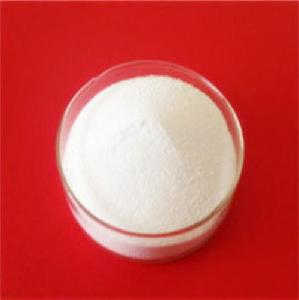
Natural Dietary Sources of L-Methionine Natural sources of L-methionine are widely distributed in animal-derived and plant-based foods, with higher bioavailability in animal products due to more balanced amino acid profiles: (1) Animal-Derived Foods (High Content & Bioavailability) Meat: Beef (especially lean cuts), pork, lamb, and poultry (chicken breast, turkey) are rich in L-methionine. For example, 100g of cooked beef contains approximately 1.2–1.5g of methionine, while 100g of chicken breast provides 0.8–1.0g. Seafood: Fish (salmon, tuna, cod), shrimp, and shellfish are excellent sources. 100g of canned tuna contains about 1.0–1.3g of methionine, and 100g of shrimp provides 0.7–0.9g. Dairy Products: Milk, cheese, yogurt, and eggs are concentrated sources. 100g of Greek yogurt contains 0.5–0.7g of methionine, and one large egg (50g) provides approximately 0.3–0.4g. Other Animal Products: Whey protein (a byproduct of cheese production) is particularly rich in L-methionine, with 100g of whey protein isolate containing 2.5–3.0g, making it a popular choice for nutritional supplementation. (2) Plant-Based Foods (Moderate Content, Lower Bioavailability) Plant foods contain L-methionine but often in lower concentrations, and their bioavailability is limited by the presence of antinutritional factors (e.g., phytic acid) or imbalanced amino acid ratios (e.g., low lysine in grains). Key sources include: Legumes: Soybeans, lentils, chickpeas, and black beans. 100g of dried soybeans contains 1.2–1.5g of methionine, but its bioavailability is improved when combined with grains (e.g., soy + rice) to balance amino acids. Nuts and Seeds: Walnuts, almonds, pumpkin seeds, and sesame seeds. 100g of pumpkin seeds provides 1.0–1.2g of methionine, and 100g of almonds contains 0.5–0.7g. Whole Grains: Oats, quinoa, wheat germ, and brown rice. 100g of wheat germ (a nutrient-dense byproduct) contains 1.8–2.0g of methionine, the highest among grains. Other Plant Sources: Tofu (soybean-derived), tempeh, and spirulina (a microalga) also contain moderate amounts of L-methionine, with spirulina offering 0.8–1.0g per 100g (dry weight).
Send product request
Other supplier products
 |
DL-Alanine Powder Manufacturer | DL-Alanine is a low-risk material for microbial growth (due to its amino acid nature, it is not a preferred nutrient for most spoilage microbes und... |
 |
L-Methionine in Pharmaceutical and Medical Applications | In pharmaceuticals, L-Methionine is used for therapeutic purposes and as a pharmaceutical excipient, leveraging its metabolic and antioxidant prope... |
 |
High quality L-Cysteine hydrochloride monohydrate | The storage methods for L-Cysteine hydrochloride monohydrate are crucial to maintain its stability and functionality, primarily due to its hygrosco... |
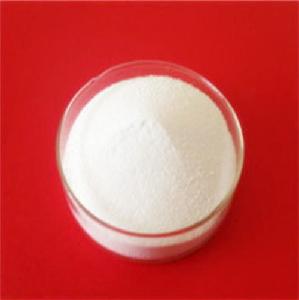 |
L-Methionine in Food and Nutritional Fortification Applications | L-Methionine in Food and Nutritional Fortification Applications In the food industry, L-Methionine is primarily used as a nutritional fortifier to ... |
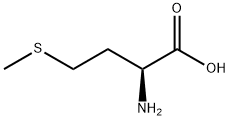 |
DL-methionine Marke quotation | The carboxyl group in DL-methionine can undergo esterification, amidation, and decarboxylation reactions under specific conditions.Esterification r... |
Same products
 |
Automotive and Motorcycle Products | Seller: Huanuo Electric Co., Ltd. | Automotive and Motorcycle Products We provide reliable automotive and motorcycle products designe... |
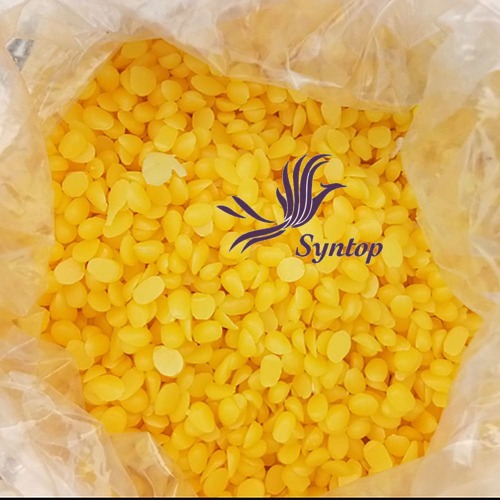 |
Beeswax used for candle and handicraft production | Seller: Syntop chemical Co.,Ltd. | Advantages of Beeswax in Craft Making Stable physical properties and easy to preserve: When bees... |
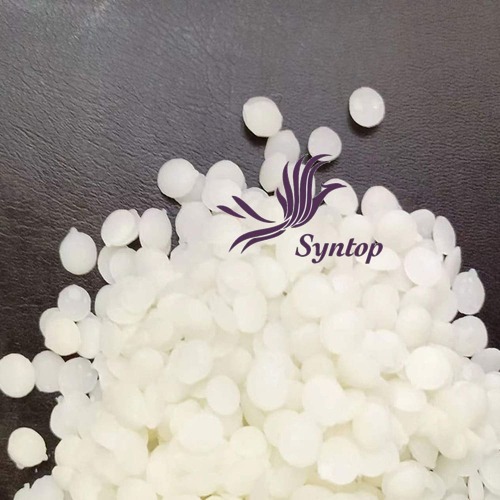 |
Beeswax used for cosmetic and candle processing | Seller: Syntop chemical Co.,Ltd. | Beeswax candles are a popular choice among natural candles, and their advantages lie primarily in... |
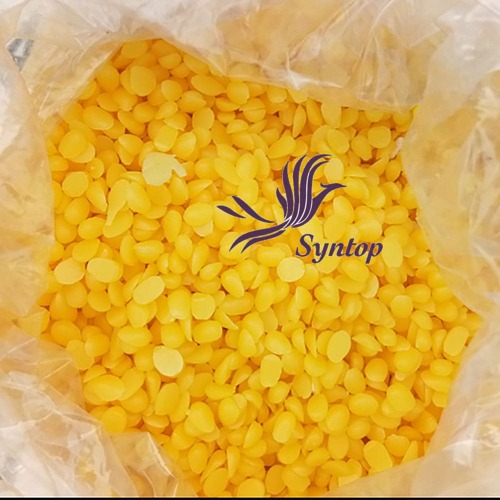 |
White yellow beeswax used for cosmetic | Seller: Syntop chemical Co.,Ltd. | Usage of Beeswax Cosmetics and Personal Care: Beeswax is a natural emulsifier and thickener, com... |
 |
Common Rail Injector Valve F00R J01 329 | Seller: 828487 | Common Rail Injector Valve F00R J01 329 Common Rail Injector Valve F00R J01 522 Common ... |

