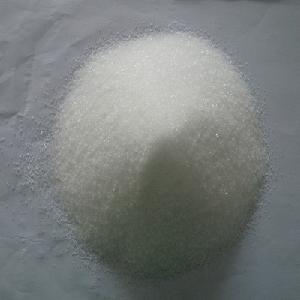
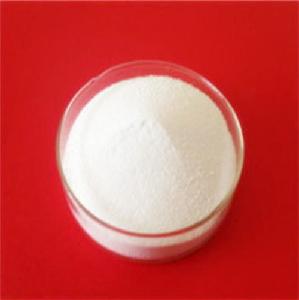
L-Methionine

Natural Dietary Sources of L-Methionine Natural sources of L-methionine are widely distributed in animal-derived and plant-based foods, with higher bioavailability in animal products due to more balanced amino acid profiles: (1) Animal-Derived Foods (High Content & Bioavailability) Meat: Beef (especially lean cuts), pork, lamb, and poultry (chicken breast, turkey) are rich in L-methionine. For example, 100g of cooked beef contains approximately 1.2–1.5g of methionine, while 100g of chicken breast provides 0.8–1.0g. Seafood: Fish (salmon, tuna, cod), shrimp, and shellfish are excellent sources. 100g of canned tuna contains about 1.0–1.3g of methionine, and 100g of shrimp provides 0.7–0.9g. Dairy Products: Milk, cheese, yogurt, and eggs are concentrated sources. 100g of Greek yogurt contains 0.5–0.7g of methionine, and one large egg (50g) provides approximately 0.3–0.4g. Other Animal Products: Whey protein (a byproduct of cheese production) is particularly rich in L-methionine, with 100g of whey protein isolate containing 2.5–3.0g, making it a popular choice for nutritional supplementation. (2) Plant-Based Foods (Moderate Content, Lower Bioavailability) Plant foods contain L-methionine but often in lower concentrations, and their bioavailability is limited by the presence of antinutritional factors (e.g., phytic acid) or imbalanced amino acid ratios (e.g., low lysine in grains). Key sources include: Legumes: Soybeans, lentils, chickpeas, and black beans. 100g of dried soybeans contains 1.2–1.5g of methionine, but its bioavailability is improved when combined with grains (e.g., soy + rice) to balance amino acids. Nuts and Seeds: Walnuts, almonds, pumpkin seeds, and sesame seeds. 100g of pumpkin seeds provides 1.0–1.2g of methionine, and 100g of almonds contains 0.5–0.7g. Whole Grains: Oats, quinoa, wheat germ, and brown rice. 100g of wheat germ (a nutrient-dense byproduct) contains 1.8–2.0g of methionine, the highest among grains. Other Plant Sources: Tofu (soybean-derived), tempeh, and spirulina (a microalga) also contain moderate amounts of L-methionine, with spirulina offering 0.8–1.0g per 100g (dry weight).
Other supplier products
|
|
Folic Acid |
Product Introduction: Product name: Folic acid Synonyms: vitamin B9 Chemical name: pteroyl glutamic acid; N-(4-((2-amino-4-oxo-1,4-dihydro-6-pterin... |
|
|
L-Threonine |
Physical Properties in Biological Systems of L-ThreonineHydrophilicity: The hydroxyl group and ionizable groups make L-threonine hydrophilic, so it... |
|
|
L-proline |
Storage and transportation of L-prolineStorage conditions: Store in a sealed container in a cool and dry place, away from moisture, high temperatur... |
|
|
DL-Alanine Powder |
Under proper storage conditions, the typical shelf life of DL-Alanine is2–3 yearsfrom the production date (as indicated on the product label)... |
|
|
L-Methionine |
L-Methionine, as an essential sulfur-containing amino acid, plays multifaceted and irreplaceable roles in the human body, spanning protein synthesi... |
供应产品
Same products