Bulk supply

Since Nisin was approved for use by the FDA in 1969, it has been applied in the global food industry for over 50 years. During this period, there have been no reports of food safety incidents or health damage caused by the intake of Nisin.
The European Food Safety Authority's retrospective study in 2020 analyzed the Nisin usage data during the period from 1990 to 2020 and found no cases where consumer exposure exceeded the safety threshold.
Comparison of safety with other preservatives
Compared with chemically synthesized preservatives (such as sodium benzoate and potassium sorbate), the natural source and biodegradability of Nisin make its safety more advantageous. For example:
Sodium benzoate may generate potentially toxic benzoic acid under acidic conditions, while Nisin has high stability and harmless metabolism in acidic foods.
Potassium sorbate may cause sensitization in some populations, while the sensitization risk of Nisin is extremely low (the polypeptide structure has no homology with common allergens).
Other supplier products
|
|
Metabolic Characteristics of Nisin |
Nisin is classified as a GRAS (Generally Recognized as Safe) substance by the FDA and FAO/WHO, with a long history of safe application in food prod... |
|
|
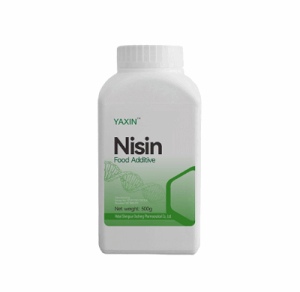
Nisin Powder |
Stability and pH SensitivityAcid Stability:Most stable at pH 3–5, retaining activity in acidic environments (e.g., yogurt, pickles, fruit jui... |
|
|
Nisin 500g |
The antibacterial mechanism of Nisin does not affect human cellsNisin exerts its antibacterial effect by destroying the cell membranes of bacteria,... |
|
|
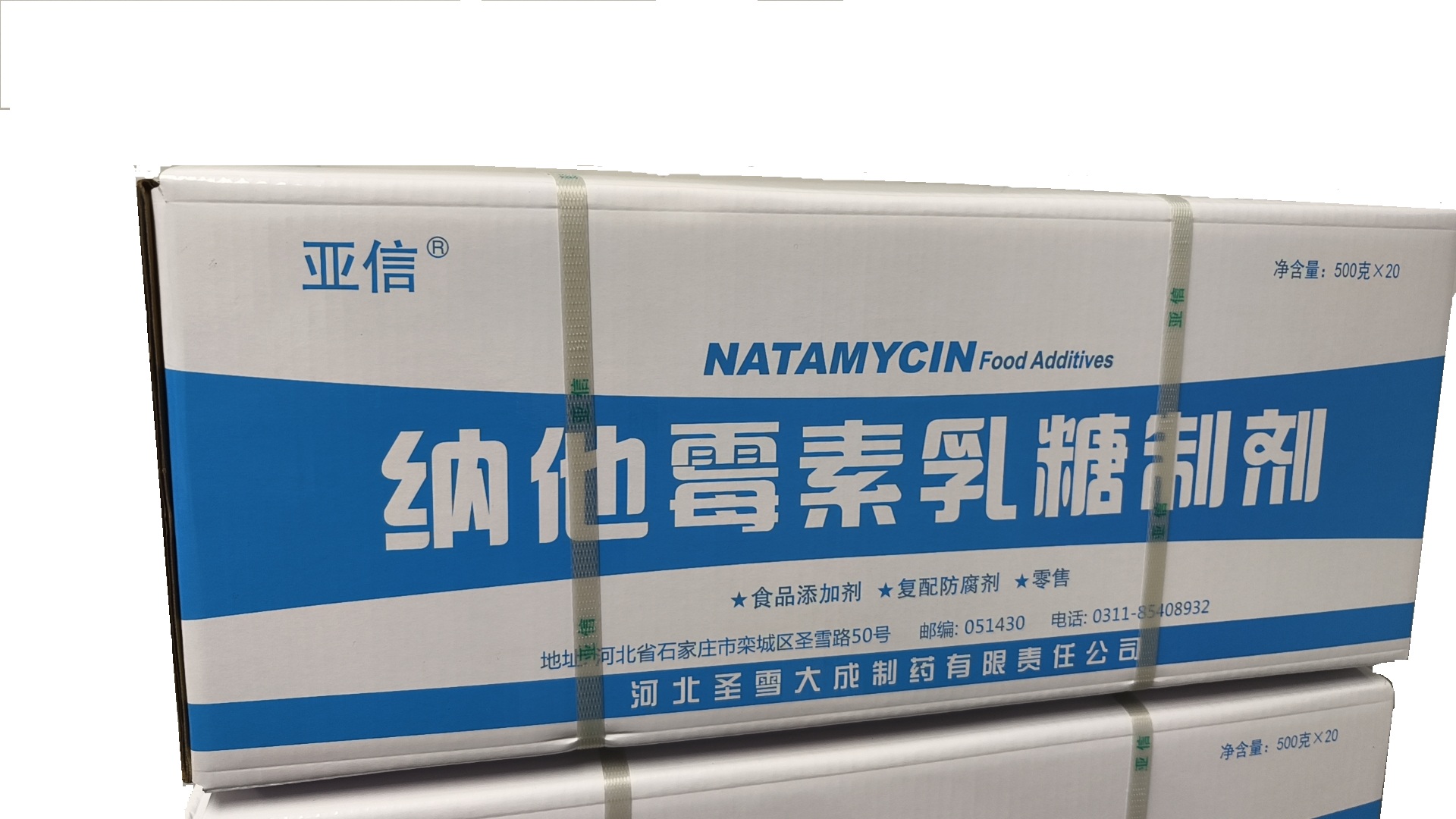
Natamycin |
Chemical Properties ·Natamycin has a polyene planar macrolide structure. The conjugated double bonds interact through van der Waals forces w... |
|
|
Nisin Powder |
Practical Implications for Food ApplicationsFormulation Considerations:When using nisin in food products, the pH of the matrix affects both its eff... |
供应产品
Same products